Reviewed · TICKETS
Budapest: Aeropark Admission Ticket
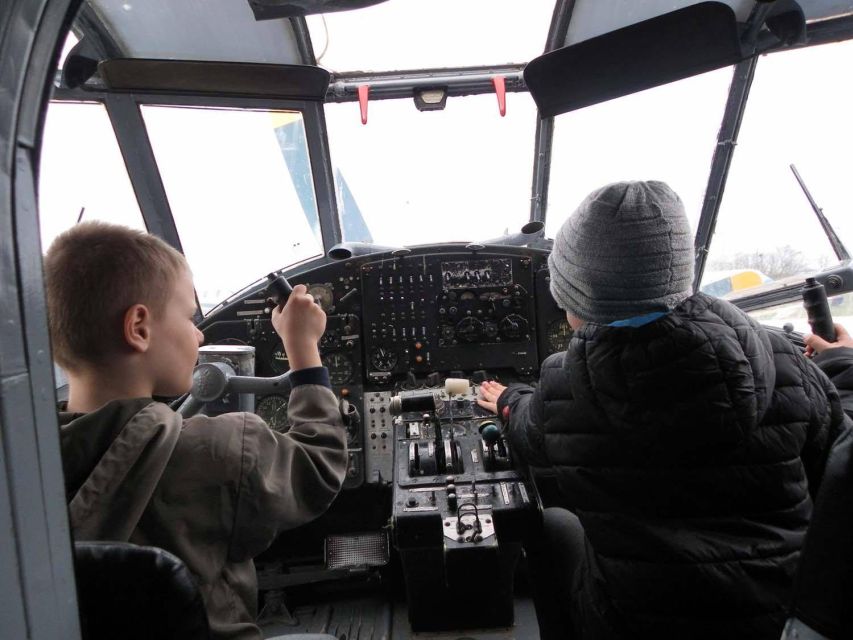
The most striking part of Budapest’s Aeropark is its collection of full-size aircraft from the era when flying was a rare luxury. You can walk around the large Tupolev planes once used by Malév, Hungary’s former national airline, then climb the steps into a cockpit and sit where the pilot worked. I like the mix of machinery and memory here. It is not just a collection of polished objects. It shows how air travel looked and felt before modern airports made flying routine.
I also like the low $9 price and the freedom to explore at your own pace. Children get a real kick out of the cockpit access, while adults can trace six decades of Hungarian aviation through the aircraft and interactive displays. The main limitation is the short 1.5-hour visit, especially if you want the optional pilot-guided tour or weekend simulator. Plan your time instead of expecting a full-day museum outing.
In This Review
- Key points
- Meeting Hungary’s Aviation Past at Aeropark
- Walking Through the Open-Air Aircraft Collection
- Climbing Into the Cockpit
- Seeing Malév’s Former Passenger Planes
- Choosing the Pilot-Guided Option
- The Weekend Simulator for an Extra €2
- Why the $9 Admission Is Good Value
- Getting There by Bus 200E
- Who Will Enjoy Aeropark Most
- Practical Plan for a 1.5-Hour Visit
- Should You Book Budapest Aeropark?
- FAQ
- Where is Budapest Aeropark located?
- How long does the Aeropark visit last?
- How much does admission cost?
- Is the flight simulator included?
- When does the flight simulator operate?
- Can I reach Aeropark by public transportation?
- Is hotel pickup included?
- Can I take a guided tour with a pilot?
- Is Aeropark wheelchair accessible?
Key points
- Communist-era aircraft: See some of the largest passenger planes used during Hungary’s earlier aviation period, including Tupolevs connected with Malév.
- Cockpit access: Climb into selected aircraft and pretend to fly across an imaginary globe.
- Open-air setting: The museum is arranged outdoors, so you walk between aircraft rather than viewing everything in indoor galleries.
- Optional pilot guide: Choose the guided option to hear stories from a pilot who has flown the planes on display.
- Weekend simulator: The flight simulator operates only on Saturdays and Sundays and costs an additional €2.
- Easy airport connection: Bus 200E runs to the museum stop near Budapest Airport Terminal 2B.
Meeting Hungary’s Aviation Past at Aeropark
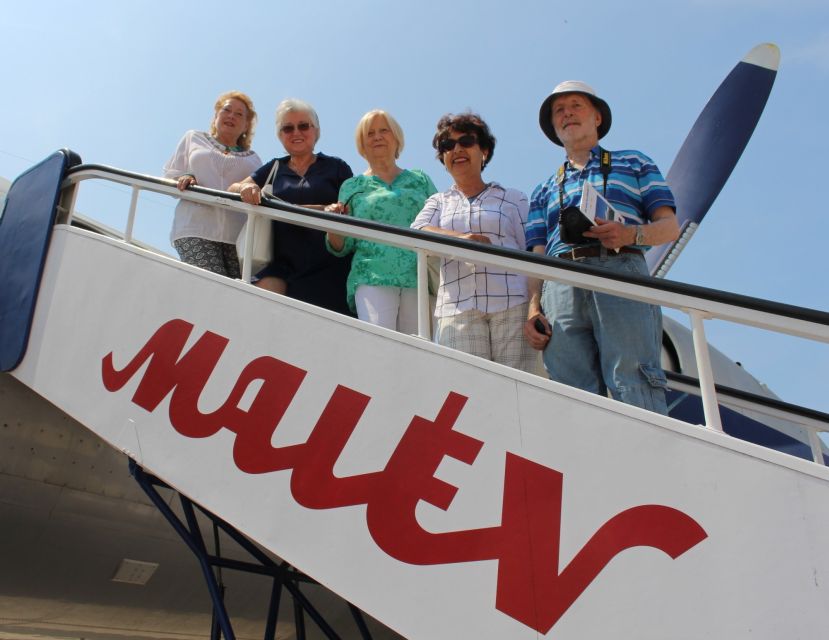
Aeropark is an open-air airplane museum in Vecsés, close to Budapest Airport. Its focus is Hungarian aviation across roughly 60 years, with special attention to the aircraft operated by Malév, the country’s former national airline.
That setting gives the museum a clear purpose. You are not simply looking at anonymous planes from different countries. You are seeing machines tied to Hungary’s own commercial flying past. The result is part technical museum and part time capsule.
The aircraft are the main attraction. You can walk around them, study their shapes, and see how large the passenger planes of the communist era were. The collection includes Tupolevs, aircraft types that still appear in the museum’s story as working machines rather than distant museum pieces.
For me, the strongest feature is the sense of scale. Photographs and aircraft models can explain aviation, but standing beside a full-size passenger plane tells you something at once. These were large, complex machines, and flying them demanded a very different level of skill and effort from today’s highly automated air travel.
A few more Budapest tours worth comparing
- Budapest: Széchenyi Spa Day Ticket with Optional Upgrades
★ 4.3 · 23,911 reviews - Budapest: Parliament Building Entry Ticket and Audio Guide
★ 4.5 · 3,844 reviews - Budapest: Full-Day Gellért Spa Ticket
★ 4.2 · 3,340 reviews
Walking Through the Open-Air Aircraft Collection
Your visit takes place outside, with aircraft arranged across the Aeropark grounds. The open-air format lets you move from one plane to the next and compare their size, design, and working environments.
The information here covers technology, science, and aviation, so the visit is not limited to airline nostalgia. You can learn how aviation developed over the last six decades and see how changes in aircraft design affected the people who flew and maintained them.
The outdoor arrangement also makes the museum easy to approach with children. There is no need to keep them moving through a quiet indoor gallery. The planes themselves give the visit its rhythm, and the chance to climb inside adds a physical element that many aviation museums do not offer.
Still, keep the format in mind. This is a compact museum visit, not a long indoor exhibition with hours of detailed galleries. The advertised duration is 1.5 hours, which is enough for a focused visit but may feel short if you read every display carefully or choose the pilot-guided option.
Climbing Into the Cockpit
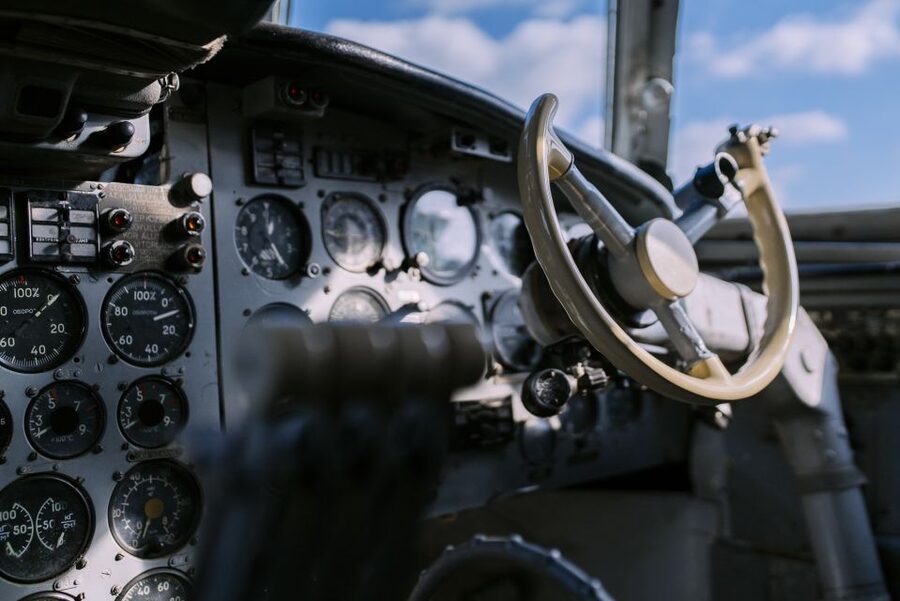
The cockpit access is the part most likely to turn a simple museum stop into a memorable outing. You can climb the aircraft stairs, sit in the cockpit, and pretend to guide a flight across an imaginary globe.
That sounds simple, but it changes the way you understand the aircraft. From the ground, a passenger plane can seem like one huge object. From the cockpit, it becomes a workplace filled with controls, instruments, and responsibilities. You get a small sense of how demanding flying was before many modern systems reduced the pilot’s workload.
This feature is especially useful for families. A child who might lose interest in written displays has a clear task here: climb aboard, take the pilot’s seat, and imagine the journey. One recorded rating specifically described the experience as great fun for children, and that matches the practical appeal of cockpit access.
Adults should not dismiss it as only a children’s activity. The cockpit helps explain the human side of aviation. You are not merely learning that a plane flew a route. You are seeing where the crew sat and gaining a better feel for the work involved.
Access to every cockpit is not explained in the available information, so you should follow the museum’s directions on site rather than assume every aircraft can be entered. The same applies to any restrictions around touching controls or moving through the aircraft.
Seeing Malév’s Former Passenger Planes
Malév was Hungary’s former national airline, and Aeropark includes aircraft associated with that fleet. This gives the museum a strong local connection for anyone interested in Hungarian travel, airline design, or the period when flying was still a special event.
The mention of Tupolevs is important. These were not small training aircraft or obscure prototypes. The collection includes some of the largest airplanes of the communist era, offering a direct look at the passenger aircraft used during that period.
You can use the planes to think about how air travel has changed. The museum explains that flying was much more difficult and much less common just a short time ago. For many people, an airline flight was a major expense and a rare occasion, not a routine weekend connection.
That context makes the aircraft more meaningful. The planes represent engineering, but they also represent access. They remind you that modern air travel is the result of major changes in technology, cost, and transport systems.
I would give the aircraft themselves priority during a short visit. Start by walking around the biggest planes, then go inside the cockpits and finish with the displays that explain the wider development of Hungarian aviation. This order gives you the visual impact first and leaves room for the details.
A different kind of day in Budapest:
- Budapest: City Highlights Cruise with Welcome Drink
★ 4.6 · 35,610 reviews - Budapest: Unlimited Prosecco, Beer and Aperol Spritz Cruise
★ 4.8 · 25,310 reviews - Budapest: Nighttime or Daytime Sightseeing Cruise
★ 4.2 · 21,062 reviews - Budapest: 1-Hour Evening Sightseeing Cruise with Drink
★ 4.5 · 8,330 reviews
Choosing the Pilot-Guided Option
Aeropark offers a guided tour with a pilot as an alternative to a basic admission visit. The pilot guide has flown the aircraft on display, which gives the tour a personal angle that a standard museum label cannot provide.
The supplied information does not identify the pilot by name, so you should not book expecting a specific guide. What you can expect is first-hand aviation experience and anecdotes from the pilot’s time in the air.
This option makes sense if you want more than cockpit photographs. A working pilot can explain what the aircraft were like to operate and add practical details about the days when these planes were in service. Those stories can help connect the controls, cabin, and exterior design with the actual experience of flying.
The tradeoff is time. The basic visit is listed at 1.5 hours, and a guided format may require you to move at a set pace. If you prefer to linger at one aircraft or let children explore slowly, independent admission may suit you better.
If the pilot tour is important to you, check the available starting times before booking. The ticket information confirms the guided option, but it does not give a fixed schedule or a guide’s name.
The Weekend Simulator for an Extra €2
The flight simulator is separate from admission. It operates only on Saturdays and Sundays and costs an additional €2.
That small extra charge makes it an inexpensive add-on, but the weekend restriction matters. Do not plan your visit around the simulator if you are coming Monday through Friday. The basic admission still includes the museum, aircraft, and cockpit experience, but not the simulator.
For a weekend visit, the simulator can add another hands-on activity after you have seen the real aircraft. The actual simulator format is not described in the available details, so I would treat it as a bonus rather than the central reason to visit.
Families should check the simulator’s availability before setting expectations. Children may be especially interested in it, but the aircraft themselves are the main attraction and remain available as part of the regular admission.
Why the $9 Admission Is Good Value
At $9 per person, Aeropark is priced well for a 1.5-hour activity near Budapest Airport. The value comes from the size of the objects on display and the access to aircraft interiors, not from a long schedule packed with stops.
A museum ticket at this price works particularly well if you have a few hours before a flight, a long airport connection, or an interest in aviation that does not justify a full-day excursion. You get a clear subject, an outdoor walk, and a chance to enter cockpits without paying for a large guided attraction.
The price is less compelling if you expect a major aviation center with many indoor rooms, a large number of activities, or a full-day program. Aeropark is focused. Its strength is the direct experience of standing beside and inside historic aircraft.
The guided tour and simulator may cost extra, though the supplied information does not state the pilot-tour price. The simulator is specifically listed at €2. Add those costs when comparing options, especially if you are traveling with several people.
The booking terms are useful for flexible plans. You can cancel up to 24 hours before the activity for a full refund, and the reserve-now, pay-later option lets you hold a place without paying immediately.
Getting There by Bus 200E
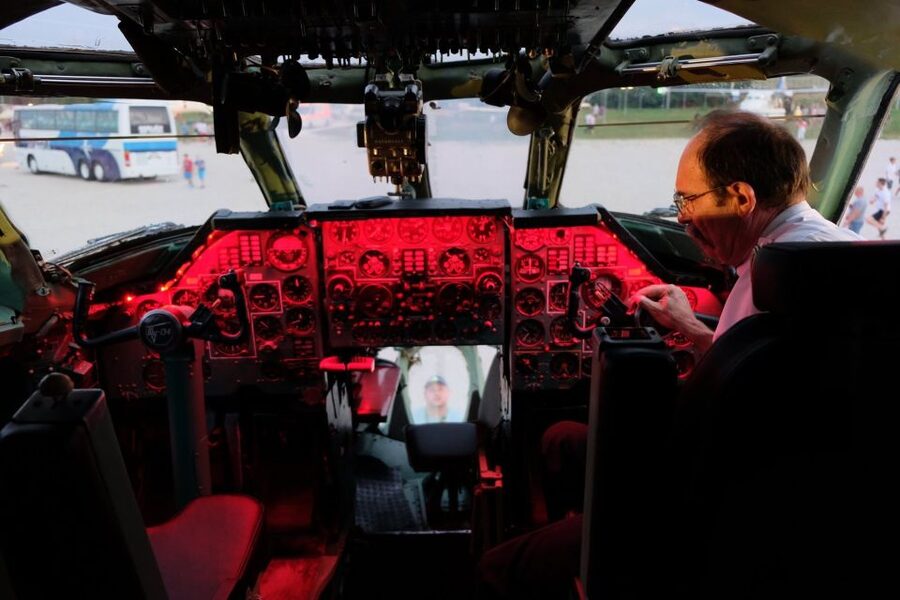
Aeropark’s meeting point is Repülőmúzeum in Vecsés, postal code 2220, Hungary. It is not in central Budapest, so allow time for the airport-area journey when planning your day.
If you use public transportation, take bus 200E toward Budapest Airport Terminal 2B. Stay on the bus all the way to the terminal terminus, then remain on board and get off at the first stop after the terminus. That stop is called Repülőmúzeum.
This instruction is easy to miss. Many people would naturally leave the bus at the airport terminal, but the museum stop comes after the terminus. Keep your bearings and watch for the stop name.
The location makes Aeropark a practical choice for an airport day, but less convenient as a quick walk-in from Budapest’s central sights. You should not treat it as though it were beside the Parliament or the Danube. Build transport time into the plan, especially if you have a flight to catch.
Hotel pickup and drop-off are not included. You are responsible for reaching the meeting point and returning to Budapest or the airport afterward.
Who Will Enjoy Aeropark Most
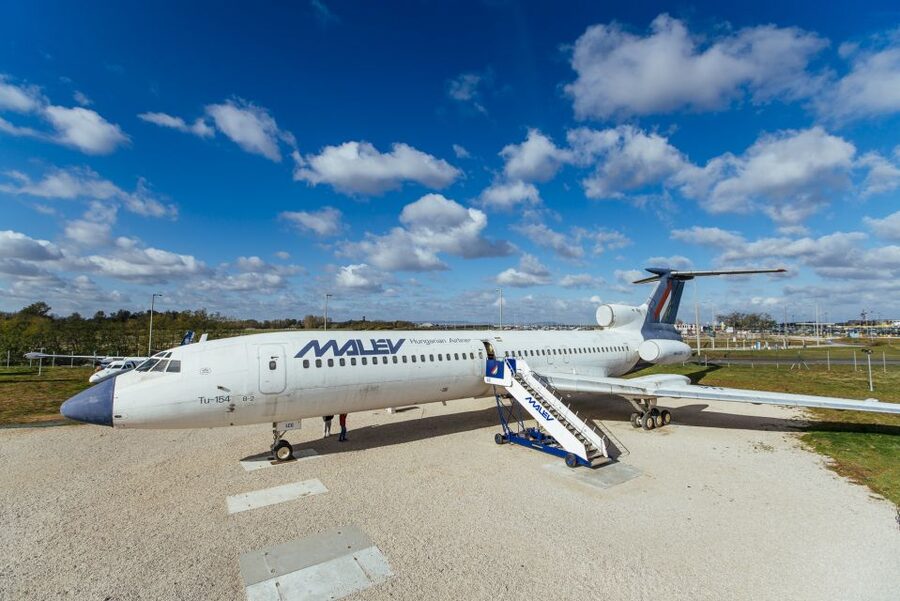
Aeropark is a strong pick for families, aviation fans, and anyone with an interest in Hungary’s recent transport past. Children have a clear reason to engage: aircraft you can enter, cockpit seats, and a possible weekend simulator.
It also suits adults who like machines, airline history, or the practical side of travel. The Malév connection gives the visit a local purpose, while the Tupolevs offer a look at aircraft that feel very different from the planes most people use today.
You may want to skip it if you have no interest in aircraft and are looking for a central Budapest attraction. The museum requires a trip to Vecsés and offers a focused aviation experience rather than a broad introduction to Hungarian culture.
The visit is wheelchair accessible, which makes it a useful option for many visitors. The available information does not explain access conditions inside every aircraft, so you may want to confirm the details if cockpit entry is essential for your visit.
Practical Plan for a 1.5-Hour Visit
For the best use of your time, begin with a broad walk around the open-air collection. This gives you a sense of the aircraft’s scale and lets you decide which planes deserve the closest look.
Next, focus on the cockpits and interior access. Give yourself enough time for the stairs and the controls, particularly if children are with you. This is the most hands-on part of the experience and should not be left until you are rushing to leave.
After that, read the displays about Hungarian aviation, science, and technology. The information will make more sense once you have seen the aircraft in person. You can then connect the machines to the wider changes in flying over the past 60 years.
If you are visiting on a Saturday or Sunday, add the simulator only after checking that it is operating. Its €2 fee is modest, but its schedule is limited to weekends.
A pilot-guided tour changes this plan. You will likely want to give the guide your full attention and allow time for the stories and explanations. If you prefer total freedom, choose basic admission and explore at your own speed.
Should You Book Budapest Aeropark?
Book it if you want a low-cost, hands-on aviation museum with real aircraft, cockpit access, and a clear Hungarian connection. At $9, it offers good value for families, plane enthusiasts, and anyone spending time near Budapest Airport.
Choose the pilot-guided option if aircraft operation interests you more than simple sightseeing. Choose the weekend simulator only as an extra, since it is not included and does not operate every day.
Skip it if your Budapest schedule is already crowded with central attractions or if a 1.5-hour outdoor museum visit does not fit your interests. For the right visitor, though, Aeropark gives you something unusual: the chance to look at Hungary’s airline past from the pilot’s seat.
FAQ
Where is Budapest Aeropark located?
Aeropark is in Vecsés, Hungary, at Repülőmúzeum, 2220 Hungary, near Budapest Airport.
How long does the Aeropark visit last?
The listed duration is 1.5 hours.
How much does admission cost?
Admission is listed at $9 per person.
Is the flight simulator included?
No. The simulator is not included in admission and costs an additional €2.
When does the flight simulator operate?
The simulator operates only on Saturdays and Sundays.
Can I reach Aeropark by public transportation?
Yes. Take bus 200E to Budapest Airport Terminal 2B, stay on the bus after the terminus, and get off at the first stop afterward, called Repülőmúzeum.
Is hotel pickup included?
No. Hotel pickup and drop-off are not included.
Can I take a guided tour with a pilot?
Yes. You can choose a guided tour with a pilot who has flown the aircraft on display and can share stories from those flights.
Is Aeropark wheelchair accessible?
Yes. The activity is listed as wheelchair accessible.
Recently added around Budapest
- Hiking + Chairlift ride + viewpoints in Budapest★ 5.0 · 3 reviews
- FoolsCode: EscapeRoom/Sightseeing tour with Actor Tourguide★ 5.0 · 3 reviews
- Grand Budapest tour with private transportation★ 5.0 · 3 reviews
- Budapest: Private Customizable Tour in French★ 5.0 · 3 reviews
- Budapest: Private, Personalized Pub Crawl, 3 drinks included★ 4.5 · 3 reviews
- Budapest Drinks and Piano Show Cruise★ 4.5 · 3 reviews
- Discover Budapest Using Tram Two★ 5.0 · 3 reviews
- Budapest: Private 3-Hour Gödöllő Palace Tour★ 4.9 · 3 reviews
Tickets, compared.

Széchenyi Spa Day Ticket with Optional Upgrades
Read our review →
Parliament Building Entry Ticket and Audio Guide
Read our review →


Sparty – The Ultimate Late-Night Spa Party Ticket
Read our review →