
Reviewed · ST STEPHEN’S BASILICA TOURS
Budapest: Classical Music Concerts in St Stephen’s Basilica
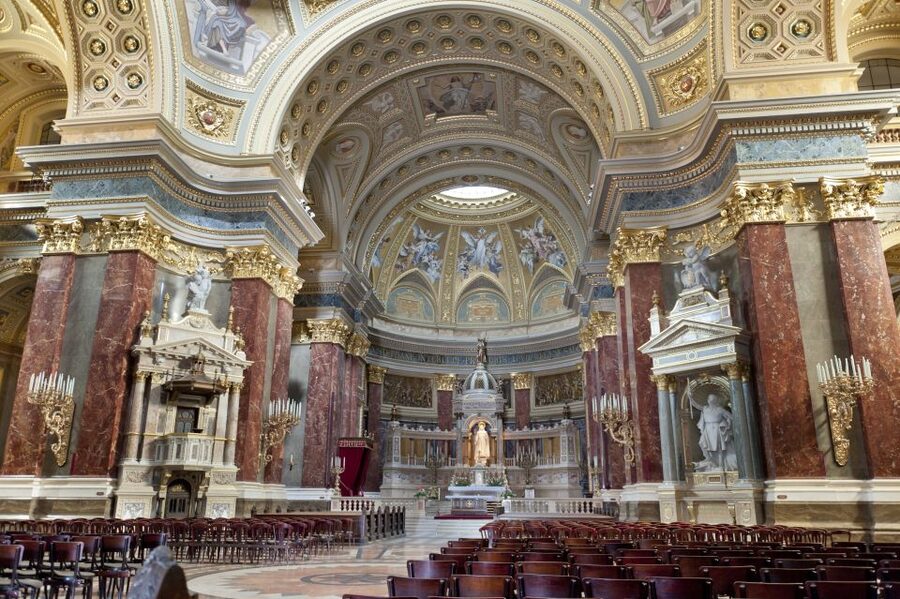
The real star here is St. Stephen’s Basilica after dark. Its vast neo-classical interior, glowing lights, and long reverberation turn a familiar classical program into something much more atmospheric. I especially like the chance to hear Mozart, Bach, Vivaldi, and Handel in a working church, and the choice between three programs and four seating classes. The hour-long format also fits neatly into a Budapest evening.
The main thing to consider is the acoustics. The basilica’s echo can make organ, voice, and strings sound grand, but it can also blur quick musical passages. Seating is not assigned, so arriving early matters, especially if you pay for VIP seats. Also check your date carefully: the December 30 concert is scheduled for Matthias Church on Castle Hill, not St. Stephen’s Basilica.
In This Review
- Key points before you book
- Why the basilica matters more than the program
- Choosing among the three concert programs
- Mozart’s Requiem
- The organ concert
- Ave Maria, Air, and Alleluja II
- What the music sounds like inside a huge church
- Seating classes, VIP places, and arrival advice
- Timing your evening around the concert
- The December 30 venue change
- Who will enjoy this concert most
- Is the $70 ticket good value?
- Should you book Budapest’s basilica concert?
- FAQ
- Where does the concert take place?
- How long does the concert last?
- How much does the experience cost?
- Are seats assigned?
- Which music programs are available?
- Is the basilica wheelchair accessible?
- Are transportation, food, or drinks included?
Key points before you book
- The basilica is part of the show: You get a concert in one of central Budapest’s most striking interiors, not a plain recital hall.
- Three programs offer different moods: Pick Mozart’s complete Requiem, an organ-centered program, or the mixed Ave Maria, Air, and Alleluja concert.
- VIP does not mean a reserved chair: The best places are first come, first served, so get there early.
- Expect a short, focused evening: Concerts run for one hour to 70 minutes, a good length for pairing with dinner or an evening walk.
- Sound favors atmosphere over precision: The large church creates powerful reverb, though some notes and words may blend together.
- December 30 is different: That performance takes place in Matthias Church, which is on Castle Hill and easy to reach from central Budapest.
Why the basilica matters more than the program
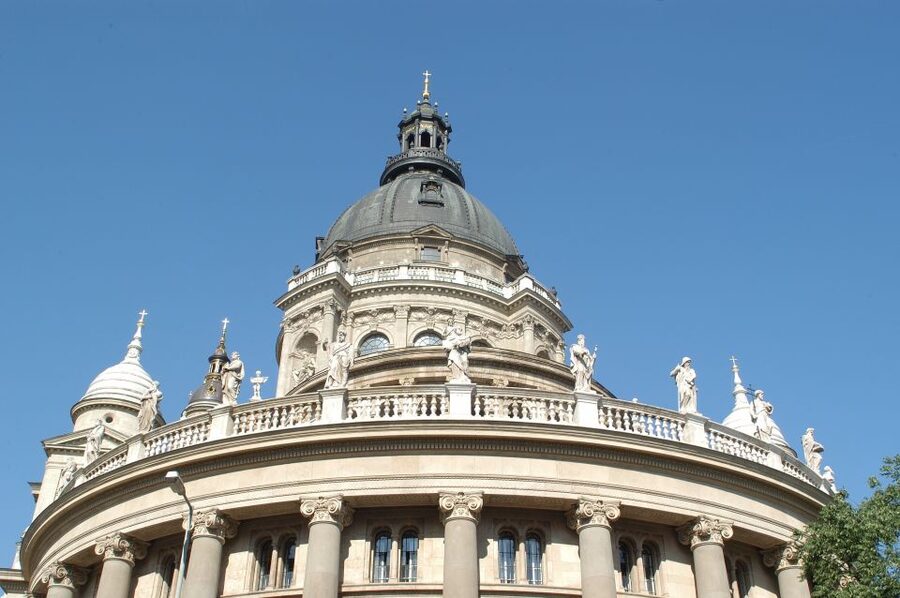
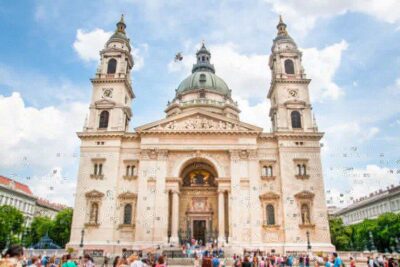
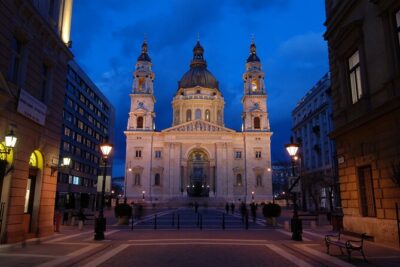
St. Stephen’s Basilica is not simply a convenient concert venue. It is one of Budapest’s signature buildings, and seeing the interior lit for an evening performance gives you a different look than a daytime sightseeing visit.
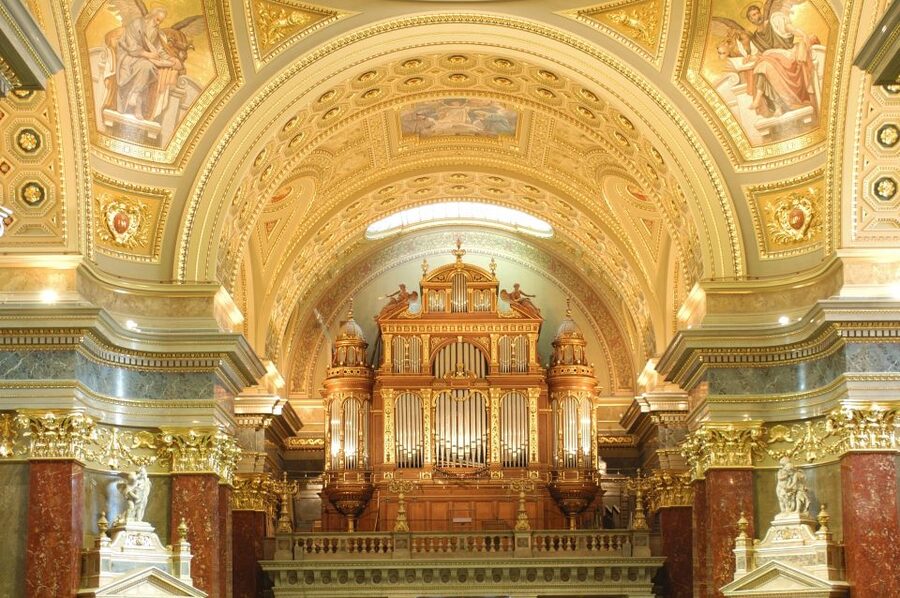
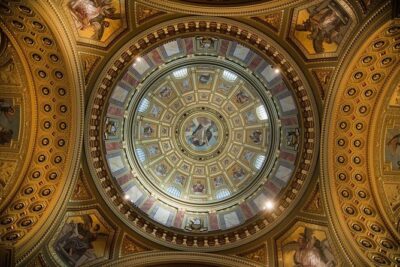
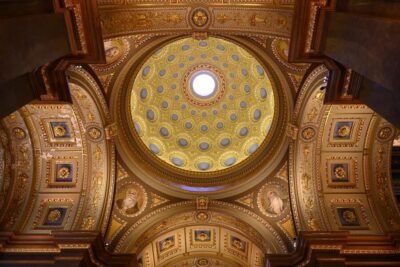
The church’s neo-classical design, scale, and ornament provide the visual setting. You can spend the quiet moments before the music looking up at the dome and detailed interior, then let the sound fill the space once the concert begins. Several people find that simply entering the basilica is worth the ticket, even before the first piece.
I like this format because it combines two Budapest pleasures without making a whole evening of either one. You see an important church and hear live classical music in about an hour. That leaves room for dinner nearby, a walk through the city center, or a later look at the Danube.
The setting also explains why this is not quite the same as hearing the same pieces in a modern hall. The church creates ceremony and scale. Candlelight, evening lighting, and the high ceiling can make a familiar piece feel newly dramatic.
More at St Stephen’s Basilica:
- Budapest: St. Stephen’s Basilica Entry with Terrace Option
★ 4.5 · 6,399 reviews - Budapest: Organ Concert in St. Stephen’s Basilica
1,299 reviews - Budapest: St Stephen’s Basilica Tour
★ 4.8 · 1,277 reviews
Choosing among the three concert programs
The exact program depends on the date, so check the selection before booking. The choices are distinct enough to suit different tastes.
Mozart’s Requiem
The Requiem is the most serious and unified option. You hear the work from beginning to end, including the Introitus, Kyrie, Dies Irae, Tuba Mirum, Recordare, Confutatis, Lacrimosa, Sanctus, Benedictus, Agnus Dei, and Lux Aeterna.
This is the best choice if you want a complete major work rather than a collection of famous excerpts. Mozart’s Requiem carries a solemn mood, and the basilica gives the choral and orchestral writing a fitting sense of scale.
It may be less suitable if you want a light, varied concert with many short melodies. The program is focused and weighty. For many people, that is precisely its appeal.
The organ concert
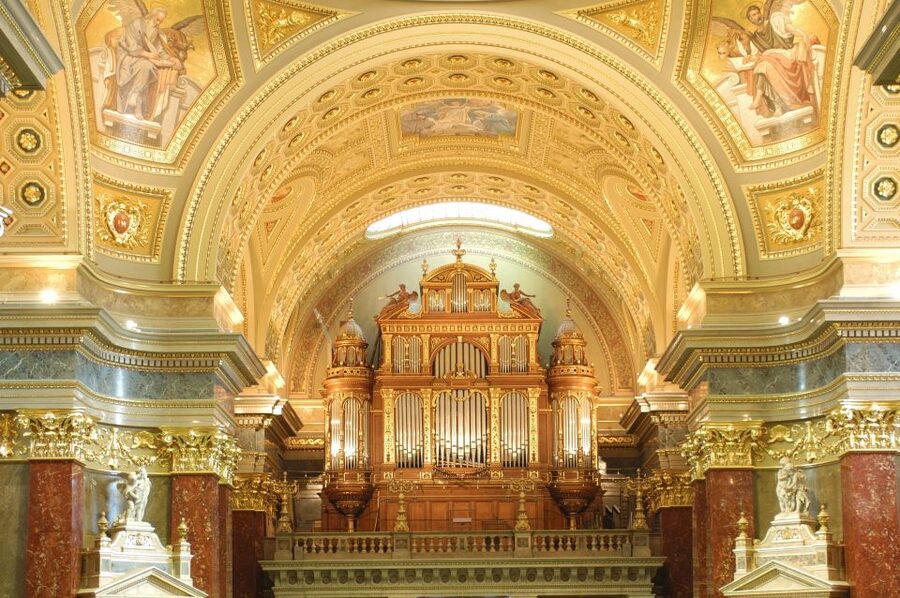
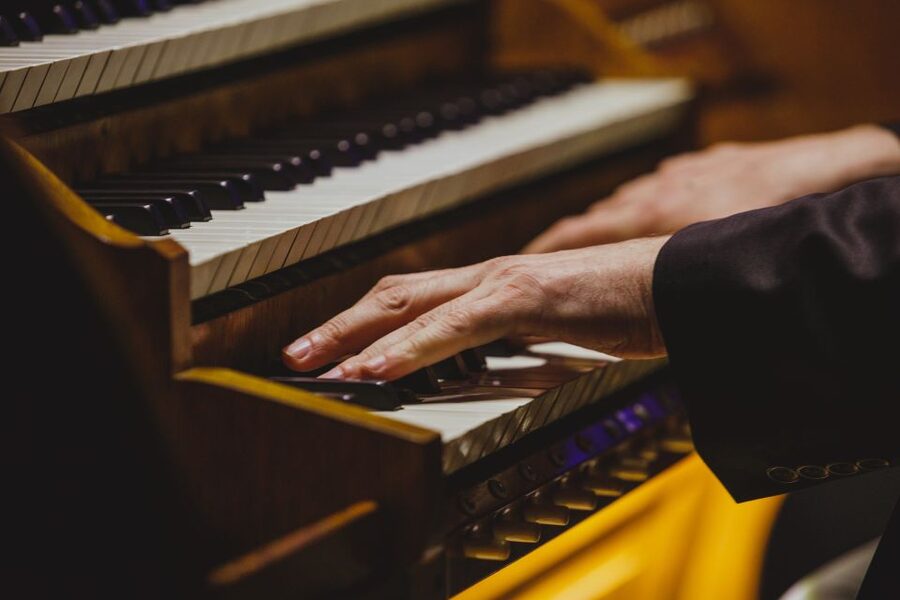
The organ program offers the clearest connection between the music and the building. It includes J. S. Bach’s Toccata and Air, Handel’s Rejoice, Albinoni’s Sonata di Chiesa and Adagio, Handel’s Largo from Xerxes, and the Largo from Vivaldi’s Winter.
The program also includes Ave Maria by Gounod and Schubert, Widor’s famous Toccata from Organ Symphony No. 5, Liszt’s Ave Maris Stella, Franck’s Panis Angelicus, Massenet’s Meditation from Thaïs, and Mozart’s Alleluja from Exsultate, Jubilate.
This is a broad selection of familiar pieces rather than a single extended composition. It works well if you want grand organ sound, recognizable melodies, and a relaxed introduction to classical music. Some dates also feature singers or additional instrumentalists, but the organ remains the central attraction.
One practical point: a few people specifically wished the pipe organ had been used more prominently. If the organ is your main reason for booking, check the advertised program and performance details for your date.
More concerts and live music in Budapest:
- Budapest Danube Cruise and Dinner Options, Live Music and Dance
★ 4.5 · 7,428 reviews - Budapest: Evening Cruise including Drinks and Live Music
★ 4.1 · 5,512 reviews - Budapest: Candlelit Dinner River Cruise with Live Music
★ 4.7 · 2,154 reviews - Budapest: Dinner Cruise with Live Music and Folk Dance Show
★ 4.4 · 2,090 reviews
Ave Maria, Air, and Alleluja II
This mixed program is likely the easiest choice for a first classical concert. It combines Bach’s Air, Handel’s Rejoice, Albinoni’s Adagio, Vivaldi’s Winter, Purcell’s When I am laid in Earth, Gounod’s Ave Maria, Handel’s Largo, Schubert’s Ave Maria, a Vivaldi violin concerto, Franck’s Panis Angelicus, Sibelius’s Impromptu, Massenet’s Meditation, and Mozart’s Lacrimosa and Alleluja.
The variety gives you organ, strings, soprano, and well-known vocal selections in one sitting. The Ave Maria pieces are especially suited to the basilica’s spiritual setting, while the violin concerto adds movement and contrast.
The December 25 and December 31 version has a slightly different list. It includes Bach’s Air, Handel, Albinoni, Vivaldi, Gounod, Widor, Liszt, Franck, Sibelius, Massenet, Schubert, and Mozart. Check the calendar for the precise date so you know which version you are getting.
What the music sounds like inside a huge church
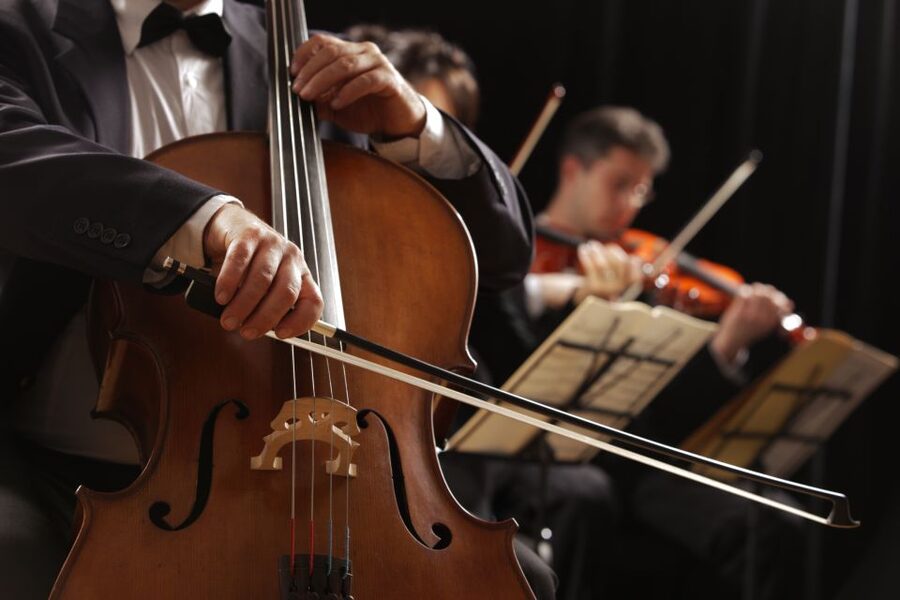
The acoustics are one of the experience’s greatest strengths and its clearest limitation. Organ notes can feel broad and powerful, and soprano passages carry impressively through the church. Strings and solo instruments gain a glowing quality from the reverberation.
That same echo can soften detail. Fast instrumental passages may not sound as crisp as they would in a smaller hall, and words in vocal pieces may be harder to follow. The sound works best when you want atmosphere, volume, and a sense of occasion rather than a close, analytical listening session.
I would choose this concert for the combined effect of music and place. If you are a dedicated listener who wants exact balance between every section of an ensemble, a traditional concert hall may suit you better. If you want to hear a soprano sing Ave Maria beneath a great dome, the basilica is hard to beat.
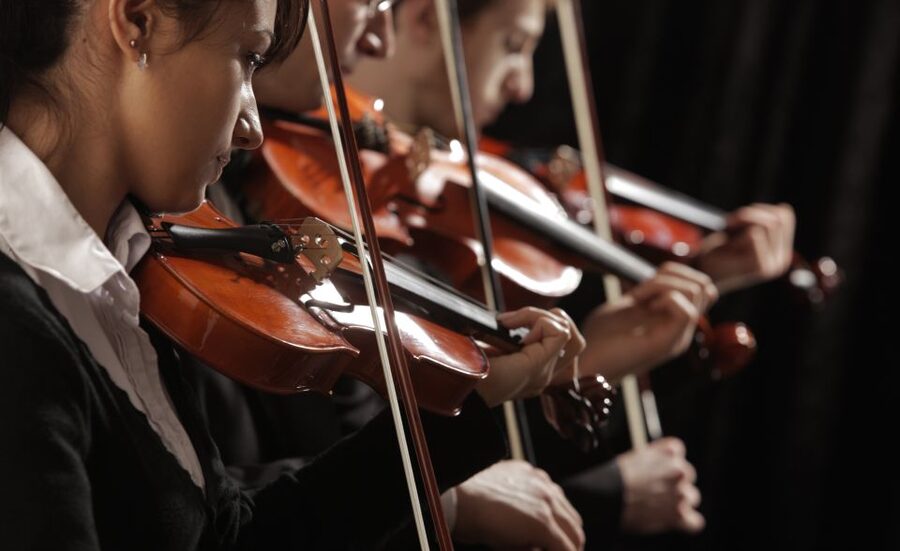
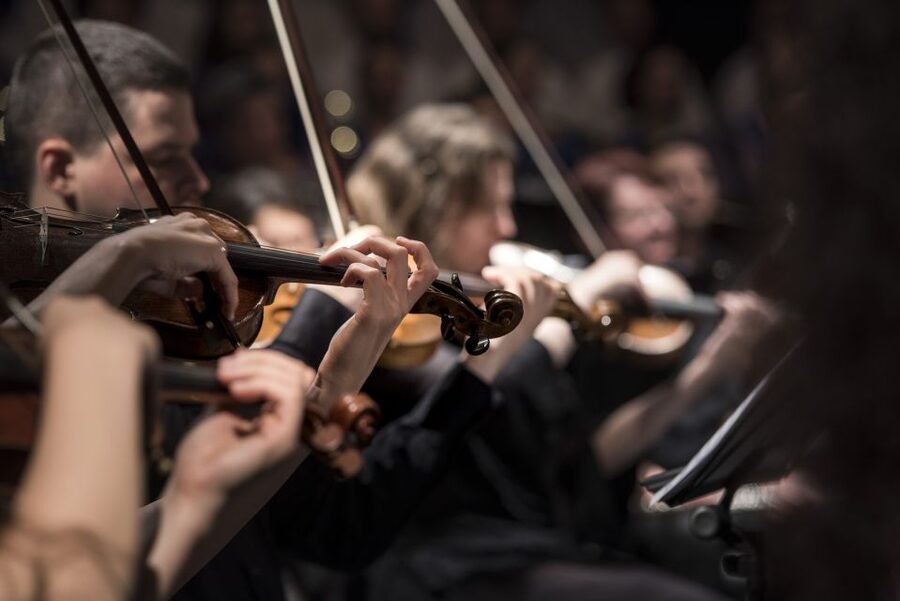
The performances themselves are generally presented at a high level. Strong points include the solo violin, soprano appearances, organ, and small ensemble sound. The exact mix of musicians depends on the selected program and date, so do not assume every concert uses the same lineup.
Seating classes, VIP places, and arrival advice
There are four seating categories, allowing you to match the ticket to your budget. The supplied price is about $70 per person, though the final cost can vary by seat class and date.
The value is strongest if you already want to visit the basilica. You are combining admission to a major Budapest sight with a live performance, rather than paying for a separate church visit and concert. For a couple marking a special evening, the setting can justify the price. For a strict budget visitor who mainly wants background music, the cost may feel high.
Seats are not assigned. This is the detail that matters most. VIP ticket holders have reported getting front rows by arriving early, while even less expensive sections can provide a good view of the stage. Do not assume a premium ticket guarantees a particular chair.
I would aim to arrive well before the start time, especially for VIP seating. Early arrival also gives you time to look around without rushing. The basilica can be warm in summer, while winter heating may not be provided, so dress for the season rather than assuming the church will be comfortable.
The meeting point is St. Stephen’s Basilica at Szent István tér 1. Pay close attention to the entrance instructions. The practical entry point may be at the side of the main doorway, and the area can be confusing when a line forms at the front. A few people have waited by the side and then had trouble understanding where to enter, so arrive early and ask staff if needed.
Timing your evening around the concert
The performance lasts one hour to 70 minutes. That makes it easy to build into a wider Budapest plan, but leave a buffer before dinner. Start times can vary, and an incorrect time can disrupt restaurant reservations.
A sensible plan is to eat before the concert or choose a restaurant after it. The basilica sits in the city center, close to a broad restaurant area, so you have options nearby. Hotel pickup and drop-off are not included, and neither are food or drinks.
The short length suits many types of visitors. You can enjoy it after an afternoon of sightseeing without committing to a full night at the opera. It also works for families or companions with different levels of interest in classical music, since the program is finished before the evening becomes tiring.
Restroom access is worth handling before the music starts. A restroom inside the church may be available before the concert, but it can be closed afterward. Use it when you arrive rather than counting on access at the end.
The December 30 venue change
December 30 requires special attention. The concert is scheduled for Matthias Church, not St. Stephen’s Basilica.
Matthias Church is on Castle Hill and can be reached easily from central Budapest, but it creates a different evening plan. You will no longer be pairing the concert with dinner around St. Stephen’s Square, and you should allow time to reach the hill.
This change is not a minor detail if the basilica is your main reason for booking. Check the venue shown for your date before you pay, and read any later message from the organizer carefully. On other dates, concert venues can also be subject to change, so confirm the location close to the performance.
Who will enjoy this concert most
I would recommend it first to anyone who wants a memorable first evening in Budapest. The music, church lighting, and central location make an easy introduction to the city’s cultural side.
It is also a good match for:
- Classical music newcomers who recognize many of the melodies
- Organ music fans, especially on the organ-focused program
- Couples looking for a calm evening activity
- Visitors who want to see the basilica when it is quieter
- People with limited time who prefer a one-hour cultural event
- Anyone who values the setting as much as the exact musical interpretation
You may want a different option if you need assigned seating, detailed program notes, a spoken introduction, or a concert hall’s precise acoustics. There is no indication of a guided church tour, and some people would prefer more information about the musicians and the correct printed program.
The venue is wheelchair accessible, which makes this one of the easier cultural events to consider if access is important. Still, check the current seating arrangements before booking if you require a particular position.
Is the $70 ticket good value?
At around $70, this is not Budapest’s cheapest evening activity. Its value depends on how much you want the full combination: a famous church, live classical music, a central location, and a polished performance.
I consider it good value for a special night, especially if you would otherwise pay separately to visit the basilica. The concert lasts long enough to feel substantial without taking over your evening, and four seating classes give you some control over the price.
The value is weaker if you are paying for a front-row view but arrive late, since chairs are not assigned. It is also weaker if you expect a formal symphony concert with extensive notes, a precise acoustic mix, or a complete guided visit to the building.
For most visitors, the basilica supplies the extra value. You are not only listening to Bach or Mozart. You are hearing them in a place that changes the mood of every piece.
Should you book Budapest’s basilica concert?
Book it if you want a short, atmospheric cultural evening and you are happy to trade perfect acoustics for a remarkable setting. The strongest choice for variety is Ave Maria, Air, and Alleluja II. Choose the organ concert if the building’s organ and famous instrumental works appeal most. Choose Mozart’s Requiem if you want one serious work presented as a complete program.
Arrive early, verify the entrance, check the exact start time, and confirm the venue for December 30. With those details handled, this concert offers one of the most memorable ways to see St. Stephen’s Basilica at night.
FAQ
Where does the concert take place?
Most performances take place at St. Stephen’s Basilica, Szent István tér 1, in central Budapest. The December 30 concert takes place at Matthias Church on Castle Hill.
How long does the concert last?
The performance lasts between one hour and 70 minutes, depending on the program and date.
How much does the experience cost?
The listed price is $70 per person. Four seating classes are available, so the price can vary according to the category you select.
Are seats assigned?
No. Seats are not assigned. VIP ticket holders should arrive early because seating is first come, first served.
Which music programs are available?
The choices include Mozart’s Requiem, an organ concert featuring composers such as Bach, Handel, Vivaldi, and Widor, and the mixed Ave Maria, Air, and Alleluja II program.
Is the basilica wheelchair accessible?
Yes. The activity is listed as wheelchair accessible.
Are transportation, food, or drinks included?
No. Hotel pickup and drop-off are not included, and food and drinks are also excluded.
Recently added around Budapest
- Hiking + Chairlift ride + viewpoints in Budapest★ 5.0 · 3 reviews
- FoolsCode: EscapeRoom/Sightseeing tour with Actor Tourguide★ 5.0 · 3 reviews
- Grand Budapest tour with private transportation★ 5.0 · 3 reviews
- Budapest: Private Customizable Tour in French★ 5.0 · 3 reviews
- Budapest: Private, Personalized Pub Crawl, 3 drinks included★ 4.5 · 3 reviews
- Budapest Drinks and Piano Show Cruise★ 4.5 · 3 reviews
- Discover Budapest Using Tram Two★ 5.0 · 3 reviews
- Budapest: Private 3-Hour Gödöllő Palace Tour★ 4.9 · 3 reviews
St Stephen’s Basilica Tours, compared.
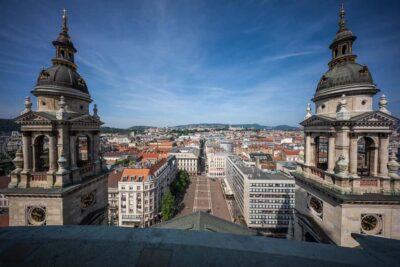
St. Stephen’s Basilica Entry with Terrace Option
Read our review →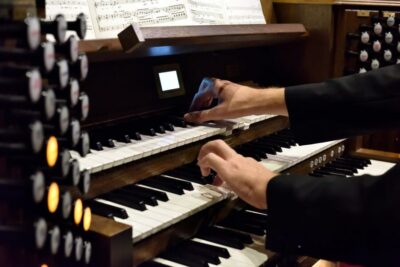
St.Stephen’s Basilica Grand Organ Concert Tickets
Read our review →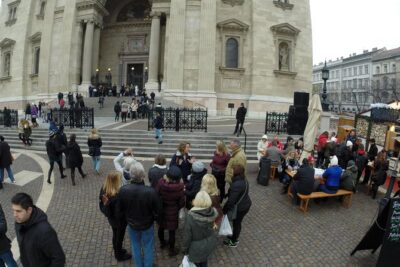
Budapest Christmas Walking Tour & Entry to St Stephen’s Basilica
Read our review →
Budapest Christmas Market Tour with Basilica visit & Chimney cake
Read our review →Browse the lists this tour appears in