
Reviewed · SZENTENDRE DAY TRIPS
Hungary: Szentendre Retro Design Center Entry Ticket
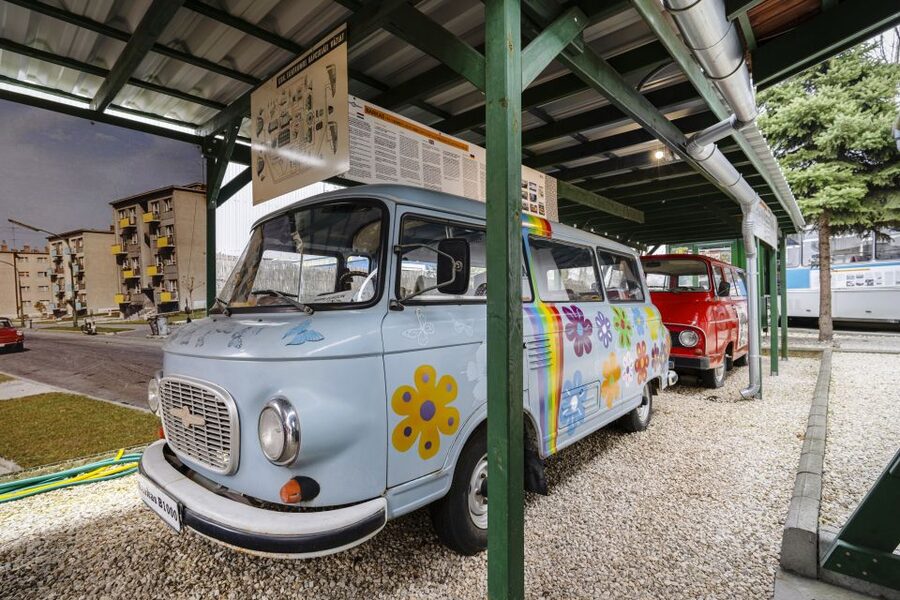
The most fun part of Szentendre’s Retro Design Center is that you do not just look at old objects behind glass. You can sit in a pink Cabriolet Wartburg, climb into a Trabant, and inspect the famous Ikarus bus. A friendly hippie girl greets you at the door, setting the mood before you reach the cars, toys, and period rooms.
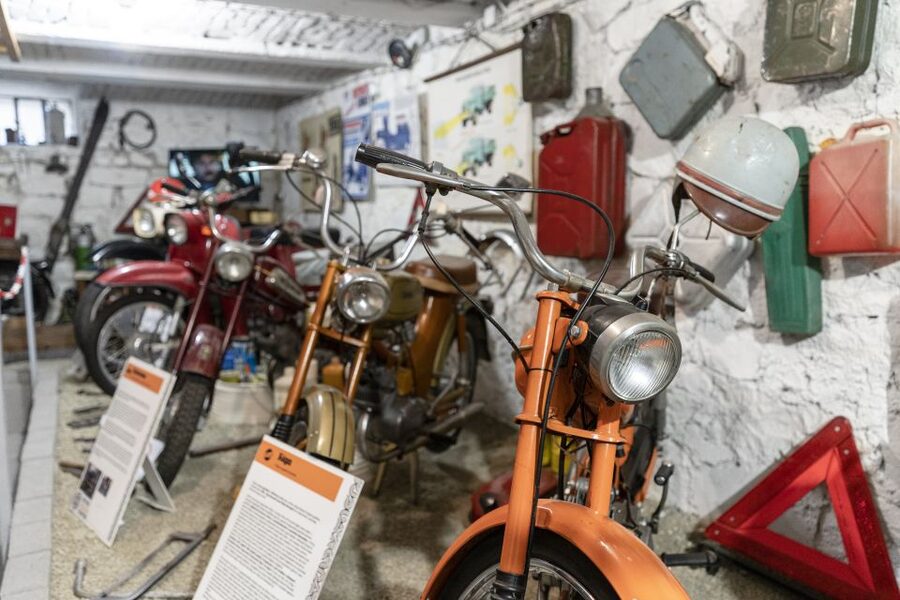
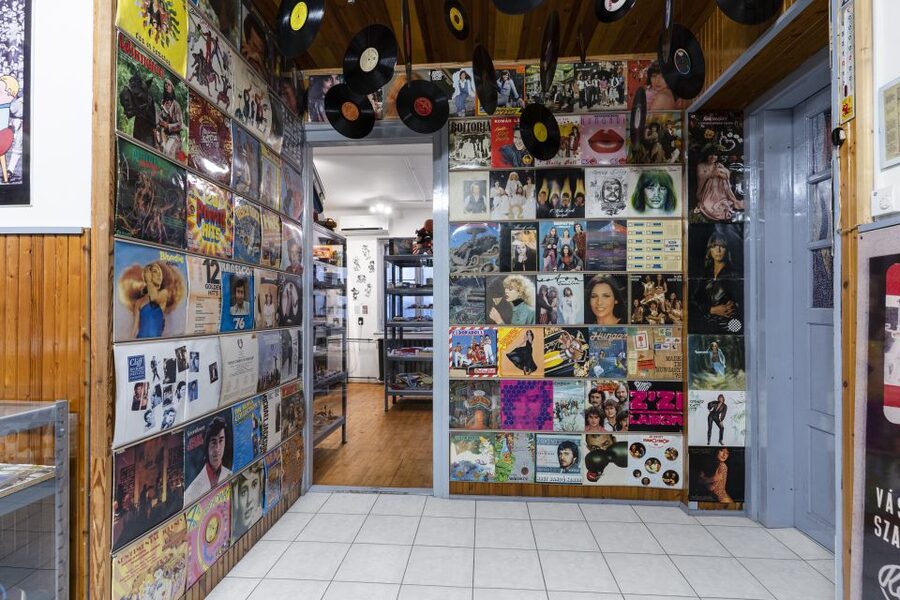
I like the hands-on car collection, especially because it includes familiar Eastern Bloc models such as the Moskvitch, Zhighuli, Trabant, and Barkas Furgon. I also like the furnished apartment, Polish Market diorama, old television adverts, and walls of LPs, since these displays show ordinary daily life instead of only political history.
The main thing to consider is the location. Szentendre is outside Budapest, so this is not a quick central-city museum stop. The visit itself takes about one hour, but the trip works best as part of a longer outing in Szentendre. If you want a guided explanation in English, check the timing carefully, since the guided tour is reported to run in the morning while the museum may remain open later.
In This Review
- Key points to know before you go
- A small museum with a very specific time machine
- The vehicle collection: Trabants, Wartburgs, and an Ikarus bus
- Inside the 1970s apartment
- Toys, radios, and LP records
- The Polish Market diorama and camping scene
- How much time should you allow?
- English information and guided timing
- Is the $11 ticket good value?
- Who will enjoy this most?
- Practical planning advice for your visit
- Should you book the Retro Design Center?
- FAQ
- Where is the Retro Design Center located?
- How long does the visit take?
- What vehicles can I see inside?
- Can I sit inside the vehicles?
- Is information available in English?
- Is parking included?
- Can I cancel the booking?
Key points to know before you go
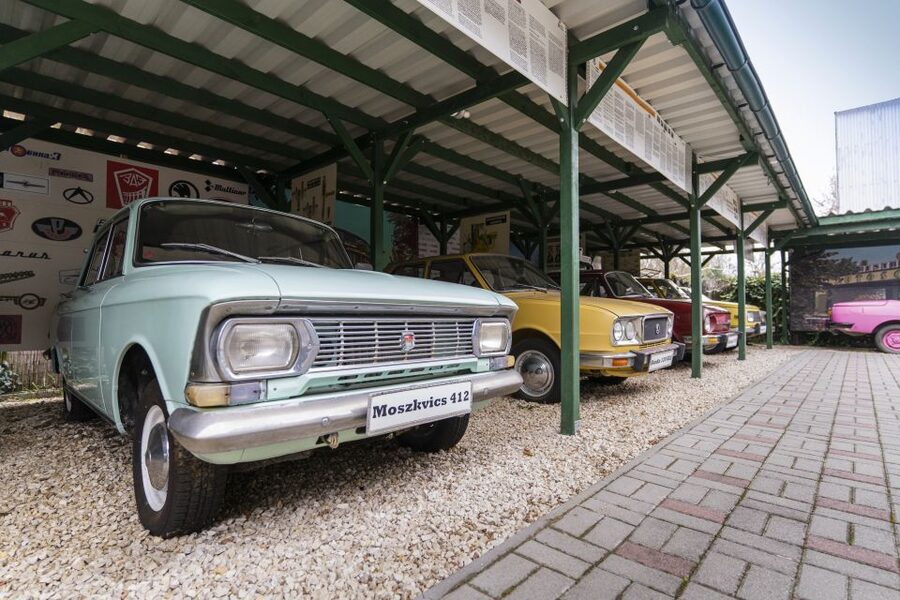
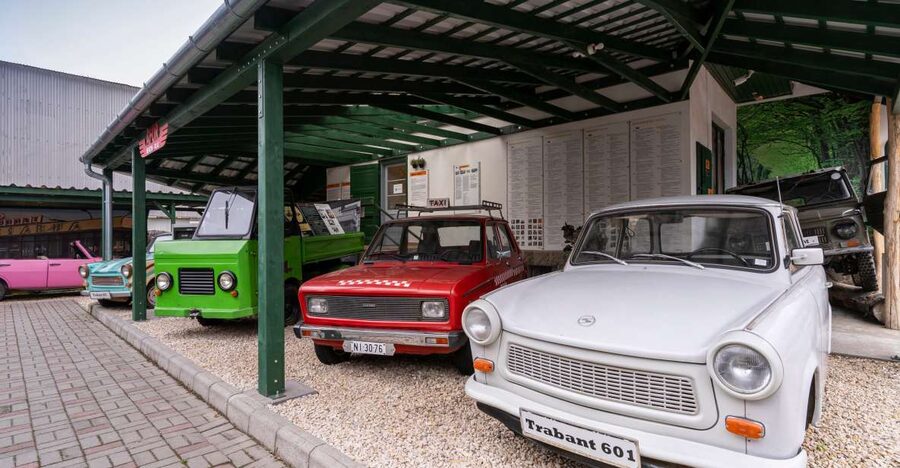
- Thirty vintage cars: See Moskvitch, Trabant, Zhighuli, Wartburg, and a Barkas Furgon, with several vehicles suitable for photographs.
- A real Ikarus bus: Get close to one of Hungary’s best-known vehicle designs and see how large public transport looked in the period.
- A furnished 1970s home: Walk through a living room and kitchen arranged with the furniture and appliances of the era.
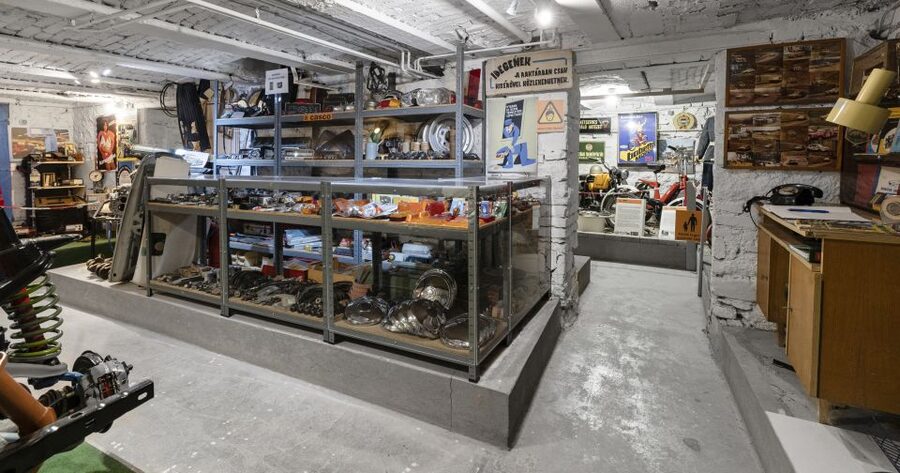
- Everyday Eastern Bloc details: Browse toys, radios, televisions, household machines, LP records, and a Polish Market diorama.
- About one hour inside: The museum is compact but packed, making it a useful short stop after lunch or during a day in Szentendre.
- Good value at $11: The ticket is reasonably priced for a focused collection, especially if you enjoy cars, design, social history, or nostalgia.
A small museum with a very specific time machine
The Retro Design Center covers almost 1,000 square meters, yet the visit has the feel of a personal collection rather than a vast formal museum. That is part of its charm. You move from one highly visual display to another without needing half a day or a strict route.
The subject is life in Eastern Europe during the 1970s, with some objects reaching into the surrounding decades. You see the consumer goods, cars, toys, and rooms that shaped ordinary life in communist-era Hungary and nearby countries.
This is not mainly a museum of political speeches, government leaders, or military events. It is about what sat in the driveway, kitchen, living room, garage, shop window, or child’s bedroom. For that reason, I find it useful even if you are not a car fan. It gives you a sense of daily life through objects people touched and used.
The welcome from the hippie girl is an intentionally playful start. It signals that the museum is meant to be friendly and visual, not solemn. You can look around at your own pace, take photographs, and spend more time on the objects that catch your eye.
More trips to Szentendre:
- From Budapest: Danube Bend & Szentendre Tour with Lunch
★ 4.1 · 824 reviews - From Budapest: Szentendre Half-Day Tour
★ 4.2 · 338 reviews - Szentendre Daytrip (Artists’ Village) small group
★ 4.5 · 151 reviews
The vehicle collection: Trabants, Wartburgs, and an Ikarus bus
The cars are the first major attraction, and they are likely to take up much of your hour. The collection includes around 30 vintage vehicles, with models associated with Hungary and the wider Eastern Bloc.
The Trabant is an obvious favorite. Its lightweight body and distinctive shape make it one of the clearest symbols of everyday motoring behind the Iron Curtain. You can see it at close range and use the display as a chance to understand how different car ownership looked from the familiar Western European experience.
The Moskvitch and Zhighuli add variety. These cars came from a different part of the Eastern European automotive world, and seeing several makes together helps you compare their shapes, size, and styling. The pink Cabriolet Wartburg is the most playful photo opportunity. It is hard to walk past without imagining a very colorful summer drive.
The Barkas Furgon van brings another side of the period into view. Unlike the flashy cabriolet, a van suggests work, deliveries, and practical transport. These contrasts make the collection more useful than a simple line of old cars. Each vehicle hints at a different part of life.
Then comes the Ikarus bus, one of the most important displays in the building. Ikarus was a major Hungarian bus manufacturer, and the bus gives the collection scale. A car shows private transport, but a bus shows how most people moved around towns and cities.
You should plan to take photographs here, but do not rush straight through the vehicles. Look at the interiors, proportions, and styling. The ability to sit in selected vehicles makes the visit more direct, particularly for children and anyone who remembers these cars from childhood.
Inside the 1970s apartment
The furnished apartment may be the most revealing section for anyone interested in social history. A living room and kitchen show how the period looked at home, away from the more obvious symbols of cars and public transport.
A room filled with household objects tells you more than a single caption can. Furniture, appliances, televisions, and radios reveal what people wanted, what they could buy, and how entertainment entered the home. The display also makes the collection easier to understand for anyone who does not know the difference between a Trabant and a Wartburg.
The kitchen is especially useful because it focuses on routine. You can picture the practical tasks of the day through the appliances and furnishings. The center does not need to tell you that life was ordinary in many ways. The rooms show it.
The television display adds a lively touch. Television adverts from the period play on the sets, and this was one of the most unexpected details for some visitors. Advertising gives you a glimpse of the products and style that people saw at home, rather than presenting the decade only as a museum reconstruction.
If you grew up in the 1970s or 1980s, this room may trigger strong memories. If you did not, it still helps explain the era in plain, concrete terms. You see the visual language of the period instead of reading about it in the abstract.
Toys, radios, and LP records
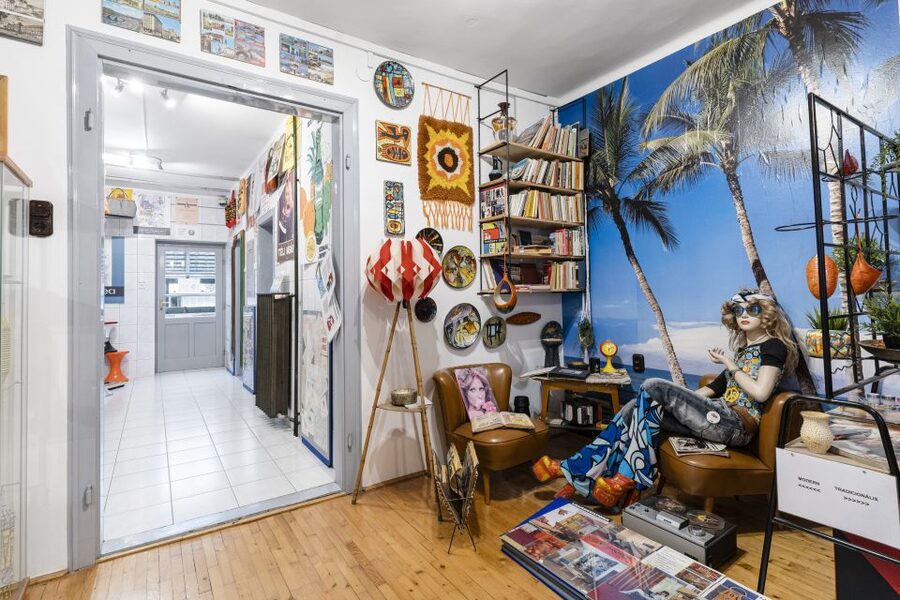
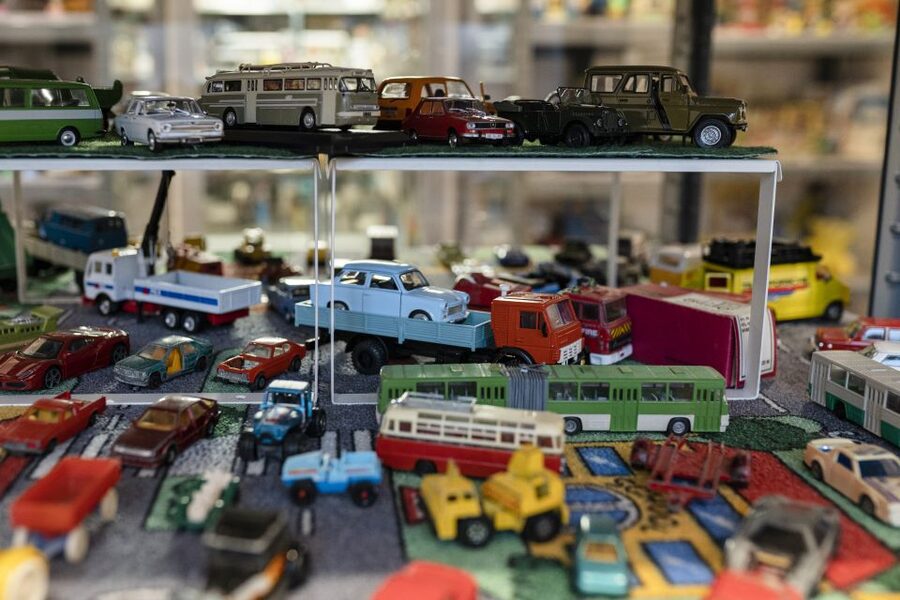
The retro toys are another strong section, particularly for families and anyone interested in childhood. The collection helps show what children played with and how toys looked before today’s digital entertainment.
You will also find television sets, radios, and household appliances. These objects can seem simple, but they are valuable because they show the design choices of the period. Rounded edges, heavy casings, bold colors, and large controls make many of the items instantly recognizable as pre-digital technology.
The walls covered with 1970s LP records add a music-room feel. The records are not just decoration. They help place the objects in a wider home setting, where music, television, and radio filled the day.
This part works well for mixed-age groups. Older visitors can point out objects they remember, while younger visitors can see how much equipment was needed for basic entertainment. I would give children freedom to look closely, but remind them that the museum is still a collection and not every item is a toy to handle.
A few more Budapest tours worth comparing
- Budapest: Széchenyi Spa Day Ticket with Optional Upgrades
★ 4.3 · 23,911 reviews - Budapest: Parliament Building Entry Ticket and Audio Guide
★ 4.5 · 3,844 reviews - Budapest: Full-Day Gellért Spa Ticket
★ 4.2 · 3,340 reviews - Budapest: Cinema Mystica Entry Ticket
★ 4.3 · 3,103 reviews
The Polish Market diorama and camping scene
The Polish Market Diorama is one of the more unusual displays. It presents a small scene rather than a single object, so you can study the setting and imagine how shopping and public life were represented in the period.
Dioramas are useful because they combine many small clues. Instead of asking you to understand one appliance or one car, the market scene puts objects into a social setting. It gives the collection a wider Eastern European frame and keeps the museum from feeling limited to Hungary alone.
The camping scene provides a similar change of pace. It shows how people spent free time and how leisure was shaped by the equipment available at the time. Alongside the cars and apartment, it gives you another piece of the everyday picture.
These displays are easy to pass quickly, but I would not. They are the sort of sections where a short stop becomes more rewarding when you pause to notice the small items. Since the museum is compact, you can afford to spend a few extra minutes here without losing the whole day.
How much time should you allow?
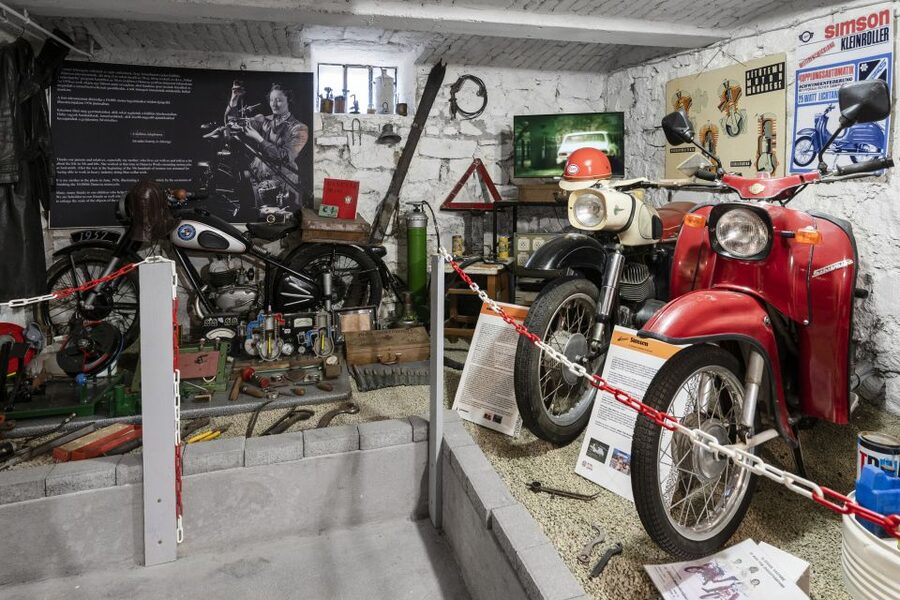
The stated duration is one hour, and that is a sensible planning figure. You can see the main collection in that time, take photographs, and read the English text without feeling pushed.
A quick visitor may finish in less than an hour. Someone who remembers the period, reads every caption, or takes many vehicle photographs may want closer to 90 minutes. One French visitor described the visit as lasting roughly one to one and a half hours, which matches the amount of material on display.
The short duration is a benefit if you are building a full day in Szentendre. You can visit the museum after lunch or use it as one stop among several. It is less suitable if you are traveling a long way only for a large, all-day museum experience.
The museum is outside Budapest in Szentendre, a small town that works well as a day trip. The journey adds time and effort, but it also means you can pair the center with the town rather than treating it as an isolated attraction. Parking is not included in the ticket, so drivers should plan for that separately.
English information and guided timing
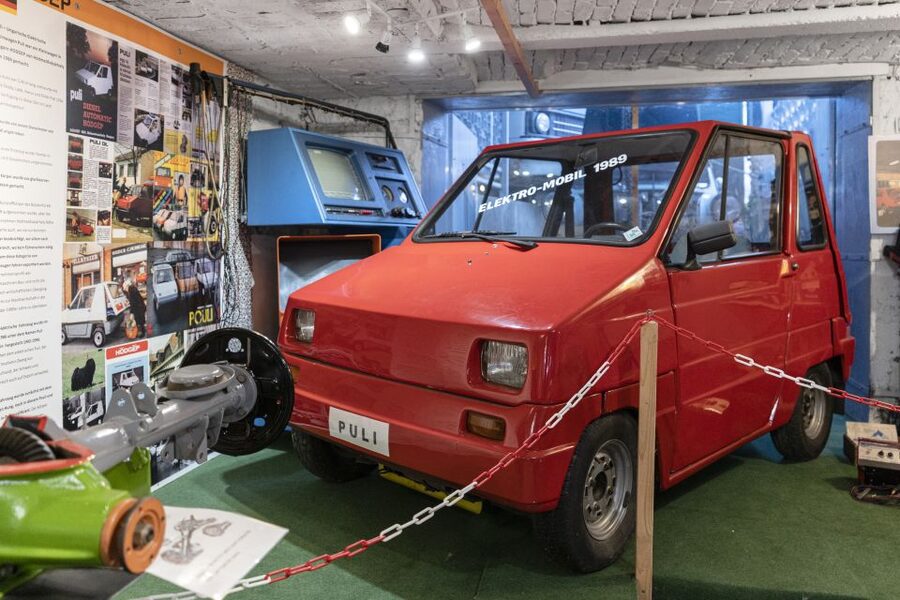
Written information is available in English, German, and Russian. That matters because the objects are visually clear, but the context is not always obvious. The text helps explain what you are seeing and places the cars, appliances, and scenes within 1970s Eastern Europe.
The host or greeter language is English. A morning guided tour is also mentioned, while the museum may be open until later in the day. Do not assume that buying a general admission ticket automatically gives you the same guided experience at every entry time.
If the explanations matter to you, check the available start time before paying. If you are happy to read and explore independently, the written English guide should make the visit manageable. The friendly ticket attendant adds to the welcoming feel, but the supplied details do not identify staff members by name.
Is the $11 ticket good value?
At $11 per person, this is an easy museum to recommend for the right audience. The price is modest compared with many major Budapest attractions, and you get access to a large collection of vehicles plus rooms filled with household and cultural objects.
The value depends on your interest. If you enjoy vintage cars, the ticket is strong value because you see around 30 examples and can sit in several of them. If you care about design, photography, family memories, or communist-era daily life, the apartment and object displays add enough variety to justify the admission.
The value is weaker if you dislike small museums or have no interest in the 1970s. The visit is only about an hour, and the center is not in central Budapest. You need to include travel time and, if driving, parking costs.
For a day in Szentendre, though, the calculation improves. A compact museum with a clear theme can be just the right size after a meal or before another town activity. At this price, you are paying for a focused collection rather than a grand institution, and the collection appears to make good use of its space.
Who will enjoy this most?
I would point the Retro Design Center toward several kinds of visitors:
- People who grew up in the 1970s or 1980s: The toys, television adverts, records, and home furnishings may bring back specific memories.
- Car and transport fans: The Trabant, Wartburg, Moskvitch, Zhighuli, Barkas, and Ikarus bus give the visit a strong automotive core.
- Families: Children can sit in selected vehicles and see unusual old technology up close.
- Design students and photographers: The colors, shapes, interiors, and period rooms offer plenty of visual material.
- History-minded visitors: The collection shows daily life rather than only official events.
- Anyone spending a day in Szentendre: The one-hour format is easy to fit into a broader town visit.
I would be more cautious if your schedule in Hungary is very tight and you are staying only in central Budapest. The museum is not a quick walk from the capital’s main sights, and the travel time can outweigh the ticket price if you are not already planning to visit Szentendre.
Practical planning advice for your visit
Build this into a Szentendre outing, not a rushed Budapest museum run. The town is outside Budapest, and one review specifically warned that the distance makes it a day trip for many people.
Allow one hour as a minimum, with up to 90 minutes if you read the text and take your time with the cars. The museum is compact enough that you do not need a complex plan once inside.
Check the guided tour schedule before choosing your time. The morning tour may be important if you prefer spoken explanations, while later entry may suit you if you want an independent visit. English, German, and Russian text is available.
Bring a camera or phone. The pink Cabriolet Wartburg, Trabant, Ikarus bus, and other vehicles are made for close-up photographs. The period apartment, LP-covered walls, and television sets also give you plenty of visual details.
The ticket includes admission only. Parking is not included, and the available information does not list other included services. Free cancellation is available up to 24 hours in advance, and you can reserve now and pay later if you want to keep your plans flexible.
Should you book the Retro Design Center?
Book it if you want a short, affordable, hands-on look at Eastern European life in the 1970s, especially if you are already visiting Szentendre. The cars are the main draw, but the furnished apartment, Polish Market Diorama, camping scene, toys, adverts, radios, and LPs give the visit more depth than a standard vehicle display.
Skip it if your Budapest schedule cannot spare the travel time or if old cars and household objects do not interest you. For everyone else, $11 buys a compact and memorable stop with plenty to see in about an hour. Just confirm the guided timing, plan for parking if needed, and treat it as part of a Szentendre day.
FAQ
Where is the Retro Design Center located?
It is in Szentendre, in Central Hungary, outside Budapest. The museum is best planned as part of a visit to Szentendre rather than as a quick central Budapest stop.
How long does the visit take?
The advertised duration is one hour. You may want up to one and a half hours if you read the written material, take photographs, and spend extra time with the vehicles and apartment displays.
What vehicles can I see inside?
The collection includes about 30 vintage cars and other vehicles, including Trabant, Moskvitch, Zhighuli, Wartburg, and a Barkas Furgon van. The museum also displays a well-known Hungarian Ikarus bus.
Can I sit inside the vehicles?
You can sit in selected vehicles, including a pink Cabriolet Wartburg, a Trabant, and the Ikarus bus, and take photographs.
Is information available in English?
Yes. Written text is available in English, German, and Russian. The host or greeter language is English.
Is parking included?
No. Parking is not included in the admission ticket.
Can I cancel the booking?
Yes. You can cancel up to 24 hours before the scheduled activity for a full refund. A reserve-now-and-pay-later option is also available.
Recently added around Budapest
- Hiking + Chairlift ride + viewpoints in Budapest★ 5.0 · 3 reviews
- FoolsCode: EscapeRoom/Sightseeing tour with Actor Tourguide★ 5.0 · 3 reviews
- Grand Budapest tour with private transportation★ 5.0 · 3 reviews
- Budapest: Private Customizable Tour in French★ 5.0 · 3 reviews
- Budapest: Private, Personalized Pub Crawl, 3 drinks included★ 4.5 · 3 reviews
- Budapest Drinks and Piano Show Cruise★ 4.5 · 3 reviews
- Discover Budapest Using Tram Two★ 5.0 · 3 reviews
- Budapest: Private 3-Hour Gödöllő Palace Tour★ 4.9 · 3 reviews
Szentendre Day Trips, compared.


Szentendre Daytrip (Artists’ Village) small group
Read our review →
Private Guided Tour to Szentendre & Visegrád Castle (Danube Bend)
Read our review →
Szentendre the Artists Village Half-Day Tour from Budapest
Read our review →
Szentendre and Visegrad Private Danube bend Tour With Wine Tasting and Lunch
Read our review →
Szentendre, Visegrád & Esztergom Private Danube Bend Tour
Read our review →Browse the lists this tour appears in