
Reviewed · MUSEUMS
Ticket for all exhibitions | Ludwig Museum
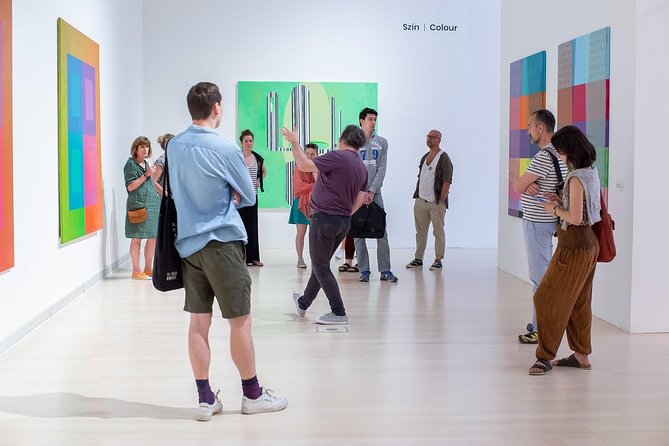
The Ludwig Museum gives you a thoughtful change of pace from Budapest’s grand churches, thermal baths, and imperial streets. Inside its striking modern building, you’ll find contemporary art, video works, installations, design, and a permanent collection that may include names such as Picasso and Hockney. The building itself is part of the experience, with wide gallery spaces and a strong modern feel.
I like the freedom here: you can move through the exhibitions at your own speed, stay with a puzzling installation, or leave after a quick hour. I also like the museum’s quieter setting near the Danube and its useful details, including free coat and umbrella storage, English and Hungarian descriptions, and a café. The main caution is simple: the amount of art on view can vary sharply, and several floors have sometimes been closed without clear warning.
In This Review
- Key points to know before you go
- What the Ludwig Museum is really like
- Getting to Komor Marcell u. 1
- How the 365-day ticket works
- The permanent collection: familiar names, limited size
- Temporary exhibitions make or break the visit
- Gallery closures and the value question
- Details that make the visit easier
- How long should you stay?
- Who will enjoy this museum most?
- Booking, cancellation, and practical timing
- Should you book the Ludwig Museum?
- FAQ
- Where is the Ludwig Museum located?
- How much does admission cost?
- How long does a visit take?
- How long is the ticket valid?
- What does the ticket include?
- Are food and drinks included?
- Can I cancel for a refund?
- Is the museum accessible by public transportation?
Key points to know before you go
- A flexible admission ticket: Your ticket is valid for 365 days from the purchase date for all exhibitions and non-special events at the Ludwig Museum.
- A small permanent collection: The permanent display may include works associated with Picasso, Hockney, and Pop Art, but it may take less than an hour to see.
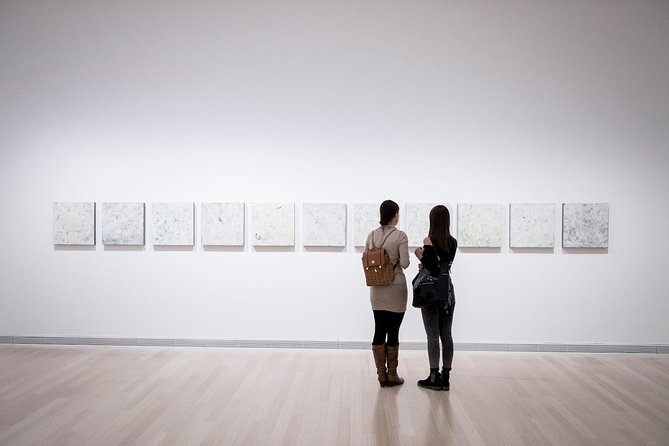
- Temporary exhibitions matter: The quality and size of the visit depend heavily on the current shows, which can range from design and patterns to video, installations, and experimental contemporary art.
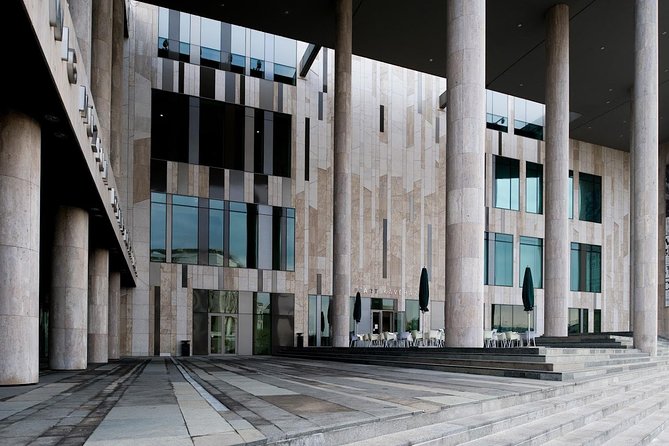
- A memorable modern building: The gallery’s architecture is one of its most reliable attractions, even when the exhibition program feels limited.
- Easy public-transport access: The museum is at Komor Marcell u. 1, near public transportation and reachable by the number 2 tram according to visitor information.
- Plan for one to three hours: An hour works for a quick look. Two or three hours makes more sense when several floors and strong temporary exhibitions are open.
What the Ludwig Museum is really like
The Ludwig Museum of Contemporary Art is one of Budapest’s main places for modern and contemporary work. It opened in 1989 and has become a familiar part of the city’s cultural life, though it is less obvious to many first-time visitors than the Museum of Fine Arts or the Hungarian National Gallery.
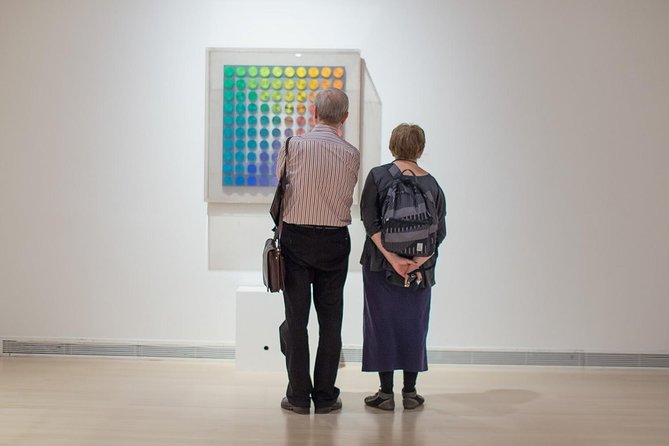
This is not a museum built around one famous painting or one tidy historical story. You may encounter paintings, installations, video pieces, slide sequences, design displays, and objects that ask more questions than they answer. Some works are colorful and immediately approachable. Others are spare, strange, or deliberately difficult.
That unpredictability is part of the appeal. If you enjoy art that feels unusual or experimental, you can find plenty to think about. If you prefer a gallery packed with famous masterpieces, the experience may feel thin, especially if only one or two floors are open.
The museum is housed in an ultra-modern building with generous gallery areas. Its clean lines and spacious interior suit contemporary exhibitions well. Several visitors have found the architecture worth the admission by itself, and I understand why. The building provides a calm, uncluttered setting for work that might look lost in a traditional palace.
More museums in Budapest:
- Budapest: Cat Museum Budapest Entry Ticket
★ 4.4 · 2,210 reviews - Budapest: Light Art Museum – Immersive New Media Experience
★ 3.9 · 1,269 reviews - Budapest: Budapest Retro Interactive Museum Ticket
★ 4.4 · 373 reviews
Getting to Komor Marcell u. 1
The museum is at Komor Marcell u. 1, 1095 Budapest, near the Danube and public transportation. The number 2 tram is a practical choice, and the ride along the river can be a pleasant part of the outing rather than just a way to get from one stop to another.
The building may not be perfectly signed from every approach, so give yourself a little time to find the entrance. Once inside, the layout is spacious and straightforward enough to navigate without a guide. The published start time for this ticket is 10:00 am, but the main benefit is not a timed tour. You are visiting independently, with no group leader and no set route.
That makes the museum easy to pair with other plans in southern Pest. You can come for a focused art visit, stop in on a rainy afternoon, or use it as a quieter break from the city center. A ride along the Danube by tram, bicycle, or scooter can also turn the trip into a pleasant half-day outing, though the ticket itself covers only museum admission.
How the 365-day ticket works
The ticket is valid for 365 days beginning on the day of purchase. It covers all exhibitions and non-special events at the Ludwig Museum during that period.
That is unusually flexible for a single museum admission. If your schedule changes, you have a long window in which to visit. It also helps if you are in Budapest for an extended stay, though most people will use the ticket for one visit.
The phrase non-special events matters. The ticket is broad, but it does not promise entry to every special event the museum might hold. For a normal museum visit covering the permanent and temporary exhibitions, it is designed to provide full access.
You receive confirmation when booking, then redeem the ticket at the museum address. Since the exhibitions can change and gallery closures have affected past visits, I would check the current program and open floors before setting out. The ticket’s long validity is useful, but it does not remove the need to confirm what you will actually see that day.
The permanent collection: familiar names, limited size
The permanent collection is often the safest reason to visit if you want a clear starting point. It can include work connected with Picasso, Hockney, and Pop Art, giving the museum some recognizable anchors among its more experimental displays.
Do not expect a huge survey. The permanent collection has been described as relatively small, and some visitors have found it short for the price of admission. You may be able to see it in about an hour, depending on how closely you study the pieces.
That smaller scale is not automatically a flaw. A compact collection can be easier to absorb, especially if you are new to contemporary art. You can look carefully without feeling that you must race through room after room. Still, the price feels more sensible when a good temporary exhibition is open alongside it.
I would begin with the permanent display if the museum has several sections available. It gives you a dependable framework, then you can spend the rest of your time with the temporary shows. If only the permanent floor is open, your visit may be closer to a brief art stop than a major museum afternoon.
A few more Budapest tours worth comparing
- Budapest: Széchenyi Spa Day Ticket with Optional Upgrades
★ 4.3 · 23,911 reviews - Budapest: Parliament Building Entry Ticket and Audio Guide
★ 4.5 · 3,844 reviews - Budapest: Full-Day Gellért Spa Ticket
★ 4.2 · 3,340 reviews - Budapest: Cinema Mystica Entry Ticket
★ 4.3 · 3,103 reviews
Temporary exhibitions make or break the visit

The Ludwig Museum regularly presents temporary exhibitions, and these are often the most important part of your experience. Past displays have included design and pattern-based work, colorful contemporary pieces, video, installations, and experimental projects such as Nemes Márton’s Techno Zen.
A strong temporary exhibition can make the museum feel like a genuine Budapest highlight. Contemporary art often works best when you give it time, and the independent format lets you stop in front of a video or installation without being hurried along. Some exhibitions are unusual enough to feel surreal, which is either a welcome surprise or a frustrating lack of familiar reference points, depending on your taste.
The current exhibition schedule should guide your decision. The permanent collection alone may not justify the price for everyone. A well-regarded temporary show, by contrast, can make the visit worthwhile even if you have already seen other museums in Budapest.
The risk is inconsistency. A show that sounds promising may not connect with you, and a small number of works can leave the galleries feeling empty. Contemporary art is personal, but the concern here is also practical: the museum has sometimes had only one floor open, while at other times several exhibitions have been available.
Gallery closures and the value question
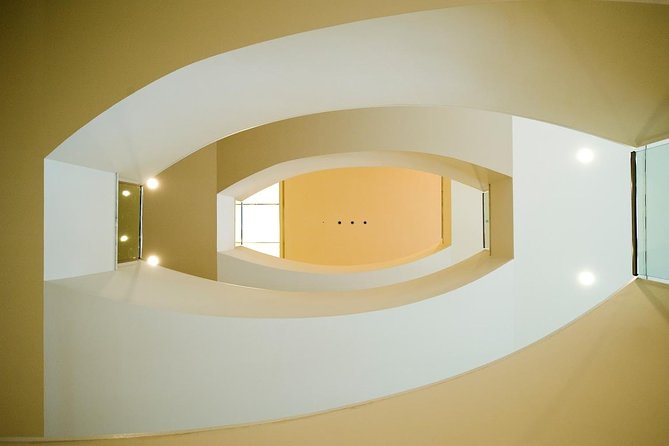
This is the most important caution before booking. Past visits have found two of three floors closed, with little warning during the online purchase process. That can change the value of a ticket quickly.
At roughly $14.19 per person, the admission is not a major expense compared with many large European museums. But if you arrive expecting three floors of art and find only one open, you may feel you paid too much for a short visit. The museum’s advertised flexibility does not guarantee a full building on every date.
I would treat the price as fair when you have confirmed that the main temporary exhibitions are open. I would be more hesitant if the schedule lists limited access or if you are visiting mainly for the permanent collection. The museum is not large enough to absorb major closures without affecting the overall experience.
The best value comes from combining the architecture, permanent collection, and at least one substantial temporary exhibition. If those three pieces are present, one to three hours is reasonable. If only a few rooms are open, plan for less time and keep your expectations modest.
Details that make the visit easier
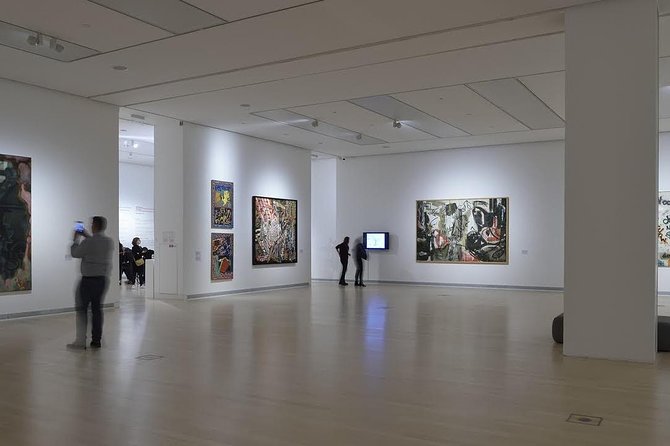
The museum is well suited to independent visitors. You do not need to follow a guide or keep to a group schedule. You can read the wall text, revisit a work, and decide for yourself how much time to spend.
Descriptions are available in Hungarian and English, a practical help when the artwork is conceptual or the exhibition needs background. Contemporary work can be hard to approach without context, so bilingual information makes a real difference.
Free coat and umbrella storage is useful in Budapest’s colder or wetter months. One rainy-day visit became especially pleasant because the museum was comfortable, the staff were helpful, and visitors could leave bulky outerwear behind.
There is also a café with a selection of cakes. Food and drinks are not included in the ticket, but the café gives you an easy place to pause before heading back toward the river or central Budapest.
Staff attention has not always felt relaxed. After artwork damage, museum employees increased their watch over the galleries. That policy is understandable, but it has sometimes made visitors feel closely monitored. You should be able to view the art safely, but do not be surprised if staff keep a careful eye on movement in the rooms.
How long should you stay?
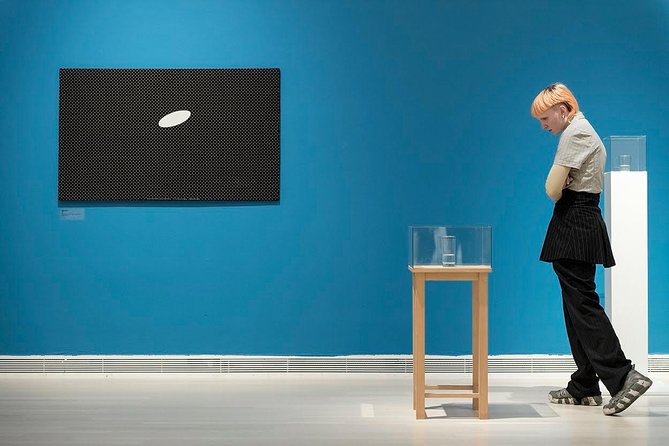
The official estimate is one to three hours. That range is sensible because the museum’s size and open exhibitions can vary.
Plan on about an hour if you want to see the permanent collection and make a quick pass through the building. Add another hour for a temporary exhibition with video, installations, or dense wall text. Three hours is reasonable if several floors are open and you like to study contemporary work rather than simply glance at it.
You do not need to force a long visit. If an exhibition does not speak to you, the building and café can still make a short stop worthwhile. On the other hand, you should not schedule the Ludwig Museum as an all-day anchor unless you have checked the program carefully.
A Sunday morning may be relatively quiet, which suits anyone who prefers uncrowded galleries. The quieter pace can help you concentrate, though it may also make the museum feel sparse if few exhibitions are running.
Who will enjoy this museum most?
I would recommend the Ludwig Museum most strongly to people who already like contemporary art or want to give it a fair try. You will have the best time if you enjoy making your own connections, looking at installations, and accepting that not every work will be immediately clear.
It also suits repeat visitors to Budapest who have already covered the major historic sights. The museum gives you a different view of the city, one connected to present-day art and design rather than royal buildings and older monuments.
Families and mixed-interest groups can manage it, but the experience may divide the room. One person may love a strange video installation while another wonders if the artist forgot to add the explanation. The flexible format helps because nobody has to linger at every work.
I would be cautious about recommending it to someone with only a few hours in Budapest who wants famous European masterpieces. The museum has recognizable names, but it is not primarily a classic-art collection, and the permanent display can be modest.
Booking, cancellation, and practical timing
The ticket costs $14.19 per person and is usually booked about 13 days before the visit. Booking ahead is intended to help guarantee admission and lets you choose a plan before reaching Budapest.
You can cancel for a full refund up to 24 hours before the experience start time. Cancellations made less than 24 hours before the start time are not refunded, and changes within that period are not accepted. The cut-off follows local Budapest time.
Because the ticket is valid for a full year, it offers more flexibility than a standard timed attraction ticket. Still, I would not rely on that long validity as a substitute for checking the exhibition schedule. The key question is not simply Can I enter? It is How much of the museum will be open when I arrive?
Should you book the Ludwig Museum?
Book it if you want a quiet, modern art stop with independent pacing, bilingual descriptions, useful coat storage, and a building that deserves attention. The ticket is especially sensible when the current temporary exhibitions look strong and several floors are open.
Skip it, or wait for another day, if you want a large permanent collection or if the museum confirms that most galleries are closed. At this price, the visit needs more than a handful of interesting objects to feel satisfying.
My practical advice is to check the current exhibition list and gallery access shortly before your visit, then allow two hours if the program is full. For contemporary-art fans, the Ludwig can be one of Budapest’s most rewarding less-central cultural stops. For everyone else, it is a worthwhile option on a rainy day, provided you know that the quality and quantity of the art on view can change.
FAQ
Where is the Ludwig Museum located?
The museum is at Komor Marcell u. 1, 1095 Budapest, Hungary. It is near public transportation and can be reached by the number 2 tram.
How much does admission cost?
The listed price is $14.19 per person.
How long does a visit take?
Allow approximately one to three hours. One hour is enough for a quick visit, while two or three hours gives you time for multiple exhibitions and a slower look at installations and videos.
How long is the ticket valid?
The ticket is valid for 365 days beginning on the day of purchase.
What does the ticket include?
It includes the seasonal entrance fee and access to all exhibitions and non-special events at the Ludwig Museum during the ticket’s validity period.
Are food and drinks included?
No. Food and drinks are not included, though the museum has a café.
Can I cancel for a refund?
Yes. You can cancel at least 24 hours before the experience start time for a full refund. Cancellations made less than 24 hours in advance are not refunded.
Is the museum accessible by public transportation?
Yes. The museum is near public transportation, and visitor information identifies the number 2 tram as a way to reach the site.
Recently added around Budapest
- Hiking + Chairlift ride + viewpoints in Budapest★ 5.0 · 3 reviews
- FoolsCode: EscapeRoom/Sightseeing tour with Actor Tourguide★ 5.0 · 3 reviews
- Grand Budapest tour with private transportation★ 5.0 · 3 reviews
- Budapest: Private Customizable Tour in French★ 5.0 · 3 reviews
- Budapest: Private, Personalized Pub Crawl, 3 drinks included★ 4.5 · 3 reviews
- Budapest Drinks and Piano Show Cruise★ 4.5 · 3 reviews
- Discover Budapest Using Tram Two★ 5.0 · 3 reviews
- Budapest: Private 3-Hour Gödöllő Palace Tour★ 4.9 · 3 reviews
Museums, compared.

Light Art Museum – Immersive New Media Experience
Read our review →

Budapest Card: Free Public Transport, Spa & Museums with Delivery
Read our review →

Travelling Galaxy Star Wars Interactive Exhibition
Read our review →
Skip the Line: Budapest Pinball Museum Admission Ticket
Read our review →Browse the lists this tour appears in