
Reviewed · BUDAPEST IMMERSIVE & VR EXPERIENCES
Budapest: Virtual Reality Tour in 8 Languages
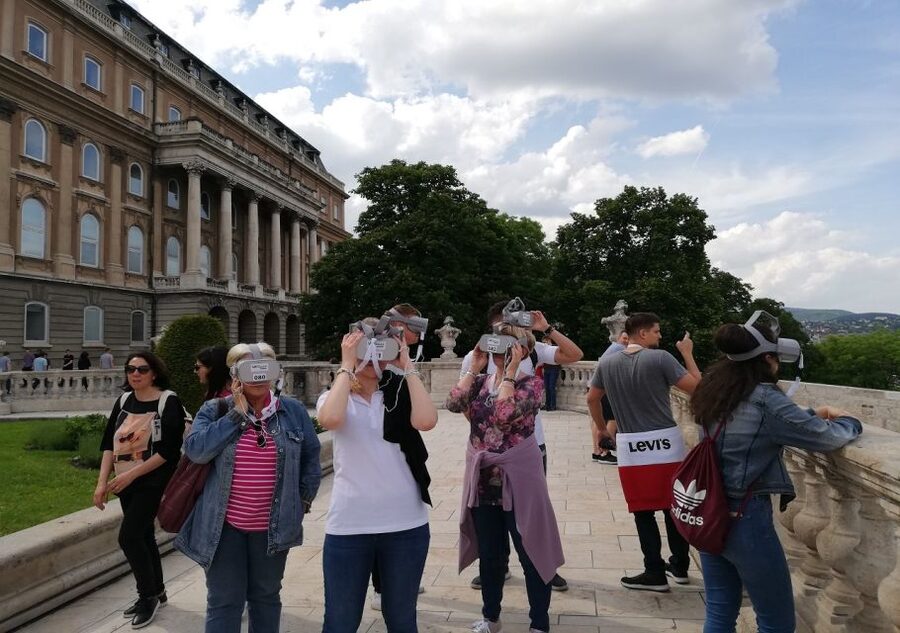
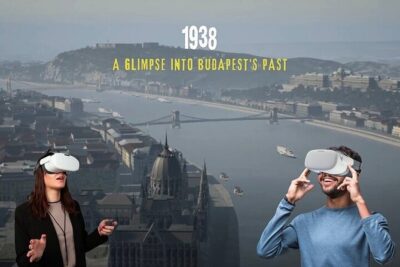
Budapest’s Buda Castle District becomes a moving history lesson on this walking tour. At six stops, you put on a virtual reality headset and watch the past appear around you, from the castle’s medieval construction to World War II destruction and the 1956 Hungarian Revolution.
I like the way the tour joins real streets with digital scenes, so you are not only hearing about Budapest’s past, you are seeing it in the places where it matters. I also like the language choice: the guide speaks English or Hungarian, while the audio program is available in eight languages. The main drawback is that the headset and light hike may not suit people with migraines, epilepsy, heart problems, mobility limits, or a fear of heights.
- Six VR stops in the Castle District: Each stop presents a different moment in Budapest’s past.
- Medieval castle scenes: Watch the Buda Castle and Royal Palace take shape through virtual reality.
- Battle and destruction sequences: See how war affected the castle area, including World War II.
- A look at 1956: The Hungarian Revolution is presented as part of the city’s modern story.
- City views from above: The technology gives you a bird’s eye view over Budapest.
- Eight audio languages: Choose English, Chinese, German, Hungarian, Spanish, Russian, Italian, or French.
In This Review
- Starting Beside the Chain Bridge
- Six Stops Through Budapest’s Past
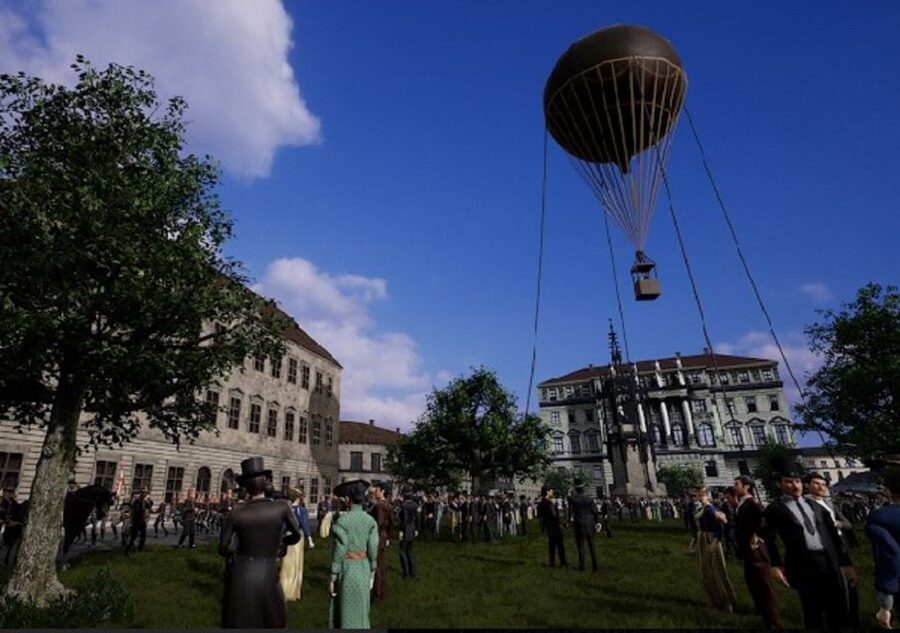
- The Medieval Castle Takes Shape
- Battles Around the Castle
- World War II and the Destruction of Budapest
- The 1956 Hungarian Revolution
- The Bird’s Eye View
- What the VR Gear Adds
- Language Choices and Guide Support
- Is $39 a Fair Price?
- Who Will Enjoy This Tour Most
- Practical Booking Advice for the Day
- Should You Book the Budapest VR Tour?
- FAQ
- Where does the Budapest Virtual Reality Tour begin?
- Where does the tour end?
- How long does the tour last?
- How many VR stops are included?
- What languages are available?
- What historical periods does the tour cover?
- Is VR equipment included?
- What should I bring?
- Is the tour suitable for people with mobility impairments?
- Can I cancel for a refund?
Starting Beside the Chain Bridge
The tour starts on the Buda side of the city at Lánchíd u. 23, near Clark Ádám Square and the Chain Bridge. Look for the VR Tour flags facing the street, and arrive 15 minutes before departure. This is a useful meeting point because it is easy to connect with Budapest’s central sights, though the activity itself begins and ends at this same address.
Your guide handles the walking route and helps you get from one stop to the next. The live guide speaks English or Hungarian. The recorded audio guide carries the detailed narration in eight languages, which makes this a good choice if you prefer to follow historical explanations in your own language.
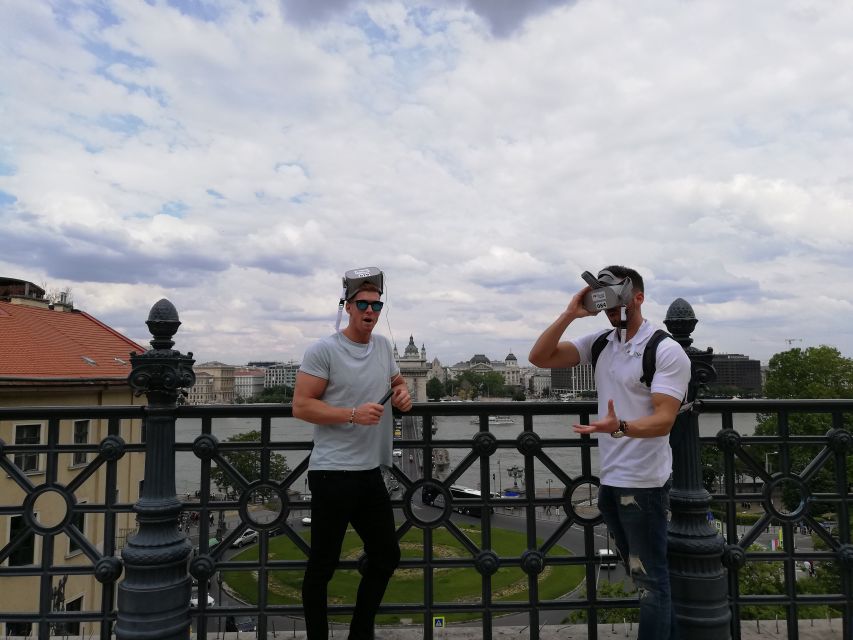
You will receive the VR equipment at the start. The headset is described as sterile, and a hygienic mask is available on request. Bring your passport, ID card, or 200 euros as a deposit for the headset. That requirement is easy to overlook, so keep one of those options handy rather than arriving empty-handed.
Six Stops Through Budapest’s Past
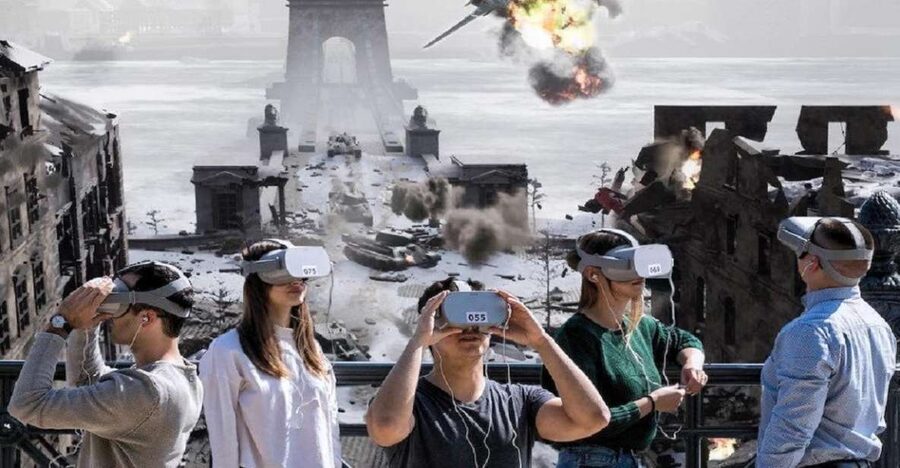
The exact names of the six stops are not provided, but the route moves through the Buda Castle District and uses the real setting as a frame for each historical scene. You walk between stops with the guide, then pause to watch a virtual reconstruction or event.
The tour is listed as 1.5 hours, while the detailed description calls it roughly two hours. Starting times vary, so check the selected departure when booking. Either way, this is not a quick headset demonstration. Set aside a good part of an afternoon or evening, especially because walking between the stops is part of the activity.
More immersive and VR rooms:
- Budapest: Light Art Museum – Immersive New Media Experience
★ 3.9 · 1,269 reviews - IKONO Budapest – Immersive Experience
★ 4.5 · 626 reviews - Virtual Reality Walking Tour
★ 5.0 · 434 reviews
The Medieval Castle Takes Shape
One of the strongest sections takes you back to the Middle Ages, when the castle was being built. Instead of looking at a finished palace and trying to picture its early stages, you can watch the construction unfold through the headset.
This approach is useful because castle walls and grand buildings can be hard to understand from a modern street. The virtual scene gives you a sense of change over time, helping you connect the stones in front of you with the people and work that created them.
The Buda Castle and Royal Palace are the main visual anchors. You should expect the VR portion to do the imaginative work while the guide and audio track provide the historical setting. This is not a substitute for a museum visit or a long academic lecture. It is a short, visual introduction designed to make the district easier to read as you walk.
Battles Around the Castle
The next historical sections show battles that shaped Budapest. The virtual scenes place you close to the action, with the audio explaining what is happening and why the event matters to Hungarian history.
That combination is the tour’s central idea. You are standing in a present-day district, but the headset lets you see a different version of the same setting. The effect can be powerful, especially when a quiet street is paired with scenes of conflict and upheaval.
The technology may appeal most to people who find dates and names hard to remember on their own. Seeing a battle unfold gives the story a clear sequence. Still, you should know that the tour presents history through short VR displays rather than a full historical study. If you want long explanations of military strategy or political causes, you may need another museum or guided walk as well.
World War II and the Destruction of Budapest
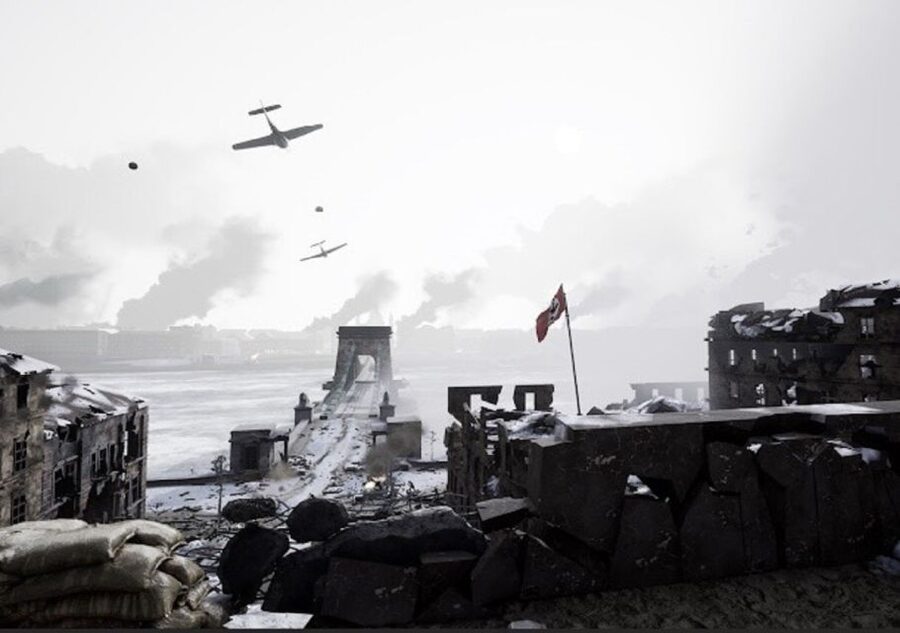
A darker part of the tour covers World War II and the destruction that affected the castle area. The virtual presentation shows the district before and during the devastation, giving you a visual sense of how much the city changed.
This stop adds weight to the experience. The tour is not only about grand palaces and attractive views. It also deals with loss and damage, which helps explain why parts of Budapest look restored, rebuilt, or different from their earlier form.
You can expect the audio guide to place each scene in a broader Hungarian context. The guide walks you between locations and helps you keep track of where you are, while the headset supplies the visual reconstruction. That division works well for a walking tour, since you do not have to stare at a screen while navigating the uneven route.
A different kind of day in Budapest:
- Budapest: City Highlights Cruise with Welcome Drink
★ 4.6 · 35,610 reviews - Budapest: Unlimited Prosecco, Beer and Aperol Spritz Cruise
★ 4.8 · 25,310 reviews - Budapest: Széchenyi Spa Day Ticket with Optional Upgrades
★ 4.3 · 23,911 reviews - Budapest: Nighttime or Daytime Sightseeing Cruise
★ 4.2 · 21,062 reviews
The 1956 Hungarian Revolution
The tour also reaches the Hungarian Revolution of 1956. This brings the story forward from medieval construction and wartime destruction to a modern political crisis.
Including 1956 gives the experience a wider time span than a standard castle tour. You are not only looking at the royal past. You are also seeing how the city became part of a major twentieth-century struggle.
The VR format can help show the scale and movement of an event that is difficult to grasp from a plaque. The audio narration is especially important here, since images alone cannot explain the political meaning of the revolution. Listen carefully to the recorded track, and use the walk between stops to ask your live guide for clarification if needed.
The Bird’s Eye View
One of the highlights is a bird’s eye view over Budapest. This gives you a break from ground-level scenes and helps connect the castle district to the wider city.
The view is also one reason people who are afraid of heights should think carefully before booking. Even though the height is virtual, the tour specifically lists fear of heights as a concern. If that feeling is strong for you, ask the provider for more detail before reserving.
What the VR Gear Adds
The headsets are the reason to choose this tour instead of a standard walking route. You are not simply listening while looking at old walls. At each stop, technology shows a version of the place across several periods.
The quality of the VR was singled out in the supplied feedback, along with the feeling of being placed near the battle scenes. That is useful praise because it points to the equipment and presentation, not just the general idea. The strongest part of the activity is likely to be the sense of movement through time.
The headset does bring tradeoffs. You need to wear equipment while walking, stop at designated points, and follow the guide’s instructions. People who suffer from migraines should avoid the activity, and the tour is not suitable for people with epilepsy, heart problems, or mobility impairments.
The route includes a light hike. Wear comfortable shoes, and bring water during hot summer tours. Budapest can be warm, and a headset may feel less pleasant if you are already overheated.
Language Choices and Guide Support
You can take the live portion in English or Hungarian. The audio guide is available in English, Chinese, German, Hungarian, Spanish, Russian, Italian, and French.
This setup gives you two ways to follow the tour. You can listen to the audio in your preferred language while using the live guide for directions and local context. Or, if you understand English or Hungarian well, you can pay closer attention to the guide’s explanations as you move between stops.
The guide is particularly useful during the walking sections. The headset cannot tell you where to go next or help you manage the route, so the live escort keeps the tour organized. No guide names are provided, so you should not book expecting a specific host.
Is $39 a Fair Price?
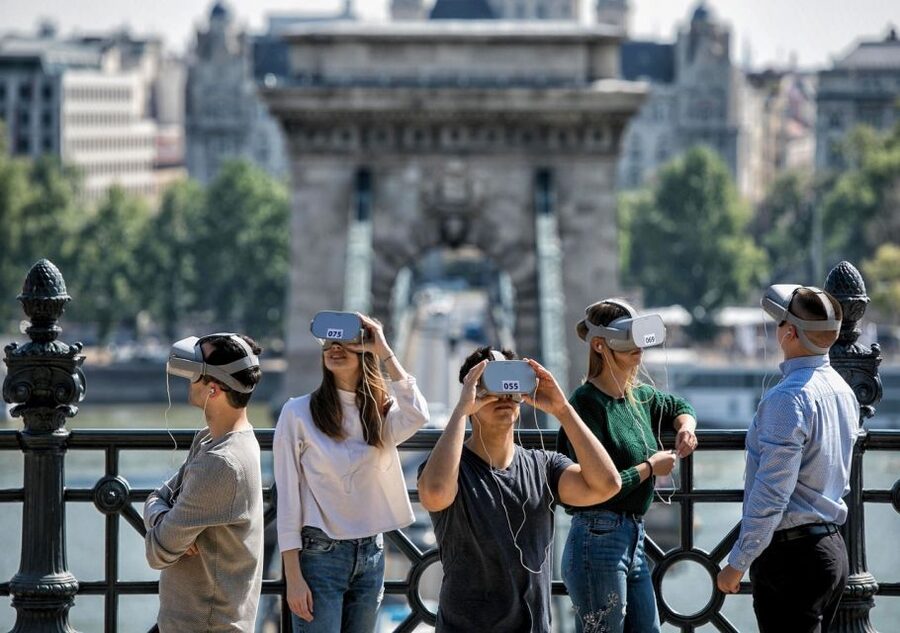
At $39 per person, the tour costs more than a basic self-guided walk through the Castle District. You are paying for the guide, the headset, the six VR presentations, the audio program, and the structure of a timed historical route.
I think the price makes sense if you want an active introduction to Budapest’s past and are curious about VR. The technology gives you something a standard walking tour cannot provide, especially during the medieval construction, wartime destruction, and 1956 scenes.
The value is less clear if you mainly want relaxed sightseeing or uninterrupted views of the city. The experience asks you to stop, wear equipment, and focus on digital scenes rather than spend the whole time looking at the real buildings. It works best as a history-focused activity, not as a replacement for a leisurely castle walk.
A rating of 4.6 from 32 ratings suggests a strong overall response, but the sample is small. The most praised points are the unusual format, the quality of the VR, the fun approach to Hungarian history, and the guide’s help along the route. Those are also the areas that matter most when deciding if the $39 is worthwhile.
Who Will Enjoy This Tour Most
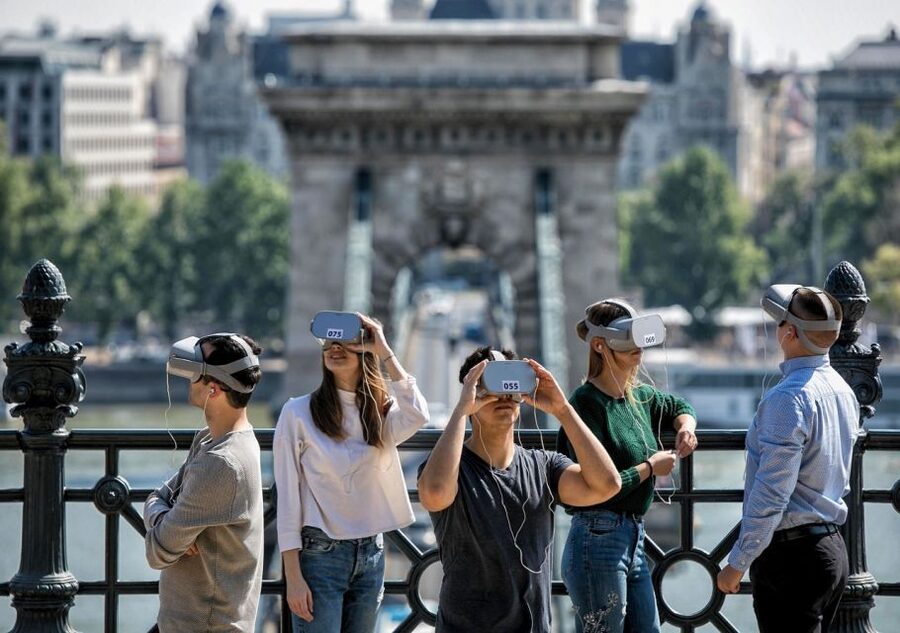
I would recommend the tour to you if you enjoy history but prefer pictures and action to long blocks of narration. Families with older children, couples, and first-time visitors who want a clear introduction to the Castle District may find the format engaging.
It can also suit people who have limited time in Budapest. In roughly 1.5 to two hours, you get a guided walk, several major historical periods, views of the castle area, and a city-wide virtual perspective.
You should choose something else if you have a medical condition listed in the restrictions, dislike headsets, or want a quiet stroll. The light hike also makes comfortable footwear important. The route is not suitable for people with mobility impairments.
Practical Booking Advice for the Day
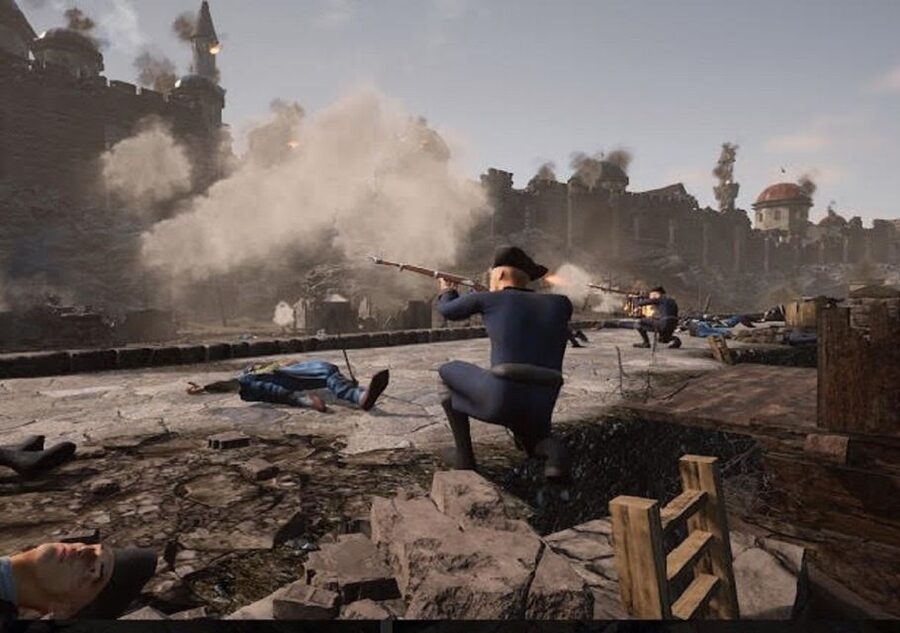
Arrive 15 minutes early at Lánchíd u. 23 and look for the flags. Bring a passport, ID card, or 200 euros for the headset deposit, plus comfortable shoes and water in hot weather.
Cancellation is free up to 24 hours before the tour for a full refund. You can also reserve and pay later, which helps if your Budapest schedule may change.
The headset is supplied, and a hygienic mask is available on request. Since the activity ends back at the meeting point, you can plan your next stop from Clark Ádám Square without arranging a separate return transfer.
Should You Book the Budapest VR Tour?
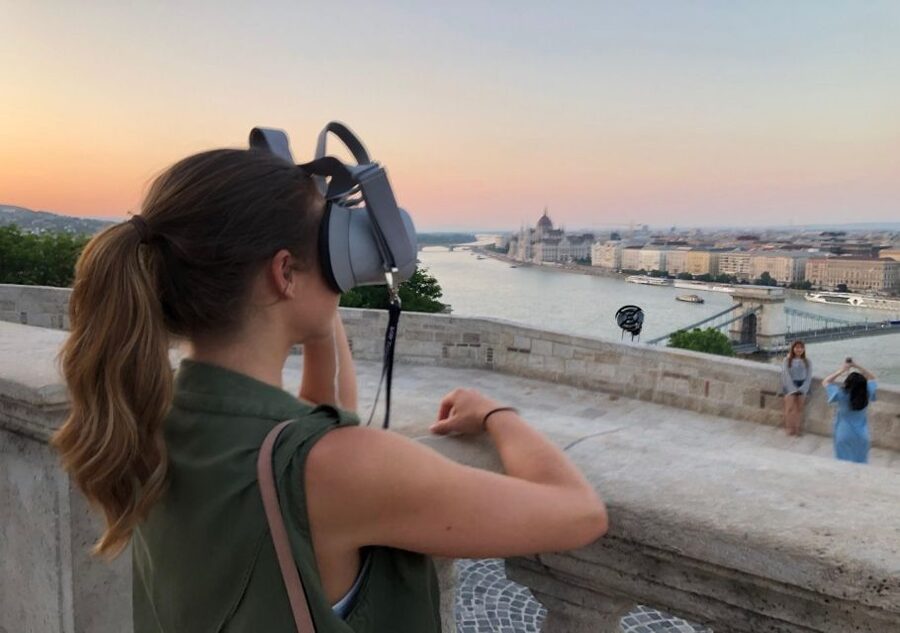
Book it if you want to see Budapest’s past rather than only hear about it. The six VR stops, eight audio languages, and live route support make this a focused way to understand the Buda Castle District, especially the medieval building work, wartime destruction, and 1956 Revolution.
Skip it if you are sensitive to VR, heights, or the listed medical concerns, or if you want a conventional walking tour with no digital equipment. For everyone else, $39 is a fair price for a distinctive history activity, provided you treat it as an introduction and not a complete study of Budapest.
FAQ
Where does the Budapest Virtual Reality Tour begin?
It begins at Budapest, Lánchíd u. 23, 1013 Hungary, on the Buda side near Clark Ádám Square and the Chain Bridge.
Where does the tour end?
The activity ends back at the meeting point.
How long does the tour last?
The activity is listed as 1.5 hours. The detailed tour description refers to a roughly two-hour experience, so check the selected departure details when booking.
How many VR stops are included?
The tour includes six VR stops around the Buda Castle District.
What languages are available?
The live guide speaks English or Hungarian. The audio guide is available in English, Chinese, German, Hungarian, Spanish, Russian, Italian, and French.
What historical periods does the tour cover?
It covers the medieval construction of the castle, battles that shaped Budapest, World War II destruction, and the 1956 Hungarian Revolution.
Is VR equipment included?
Yes. Virtual reality gear and a sterile headset are included. A hygienic mask is available upon request.
What should I bring?
Bring comfortable shoes, a passport or ID card, and something to drink during hot summer tours. You may also bring 200 euros instead of identification as the headset deposit.
Is the tour suitable for people with mobility impairments?
No. The tour includes a light hike and is not suitable for people with mobility impairments.
Can I cancel for a refund?
Yes. You can cancel up to 24 hours in advance for a full refund. Reserve now and pay later is also available.
Recently added around Budapest
- Hiking + Chairlift ride + viewpoints in Budapest★ 5.0 · 3 reviews
- FoolsCode: EscapeRoom/Sightseeing tour with Actor Tourguide★ 5.0 · 3 reviews
- Grand Budapest tour with private transportation★ 5.0 · 3 reviews
- Budapest: Private Customizable Tour in French★ 5.0 · 3 reviews
- Budapest: Private, Personalized Pub Crawl, 3 drinks included★ 4.5 · 3 reviews
- Budapest Drinks and Piano Show Cruise★ 4.5 · 3 reviews
- Discover Budapest Using Tram Two★ 5.0 · 3 reviews
- Budapest: Private 3-Hour Gödöllő Palace Tour★ 4.9 · 3 reviews
Budapest Immersive & VR Experiences, compared.
Light Art Museum – Immersive New Media Experience
Read our review →

Nightmare in Budapest Interactive Horror Experience
Read our review →
Cinematic Virtual Reality City Tour in a Russian Jeep
Read our review →
PÁNiQ-SZOBA | VR Escape Rooms by PANiQ ROOM in Budapest
Read our review →Browse the lists this tour appears in