

Reviewed · BUDAPEST CHIMNEY CAKE & PASTRY TOURS
Stretched Strudel Making Class with 2 Different Fillings
The special part of this Budapest cooking class is the pastry itself. You do not simply spoon filling into ready-made dough. With Chef Marti’s guidance, you stretch the elastic dough by hand until it is thin enough for traditional Hungarian strudel. Making two strudels from scratch gives you a real feel for the technique.
I like the family connection, since Marti teaches her mother’s recipe and shares the small tricks that make the dough work. I also like the food context: you learn why strudel appeared at countryside wedding dinners and how Turkish influence and the Habsburg Empire shaped the dessert. The main consideration is the price, $90 per person, which makes the class best for visitors who want a personal cooking experience rather than a quick pastry tasting.
In This Review
- Key Points at a Glance
- Stretching Strudel the Hungarian Way
- Inside the Király Street Apartment
- The Food Story Behind the Dessert
- Choosing Two Fillings
- From Dough to Oven
- Eating What You Made
- What You Take Home
- Timing, Age, and Practical Details
- Is $90 a Fair Price?
- Who Should Book This Class?
- FAQ
- Where does the strudel class take place?
- How long does the activity last?
- How many strudels will I make?
- What fillings can be used?
- Is the class taught in English?
- What drinks and food are included?
- Are children allowed to participate?
- Is hotel pickup included?
- Should You Book It?
Key Points at a Glance
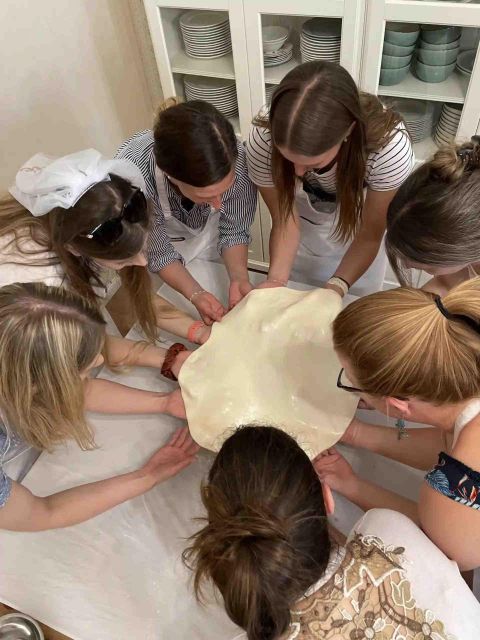
- Stretch the dough by hand: You learn the traditional method instead of relying on premade pastry.
- Prepare two fillings: Choices can include poppy seed with pumpkin, sweet or salty cabbage, cottage cheese cream, apple, and sour cherry.
- Cook in a private apartment: The class takes place at Király u. 77 in central Budapest, not in a large commercial kitchen.
- Learn family food traditions: Marti connects strudel with Hungarian home cooking, countryside weddings, and everyday customs.
- Eat and drink as part of the class: Hungarian snacks, wine, coffee, soft drinks, and mineral water are included.
- Take the recipes home: You leave with family recipes so you can try the process again.
Stretching Strudel the Hungarian Way
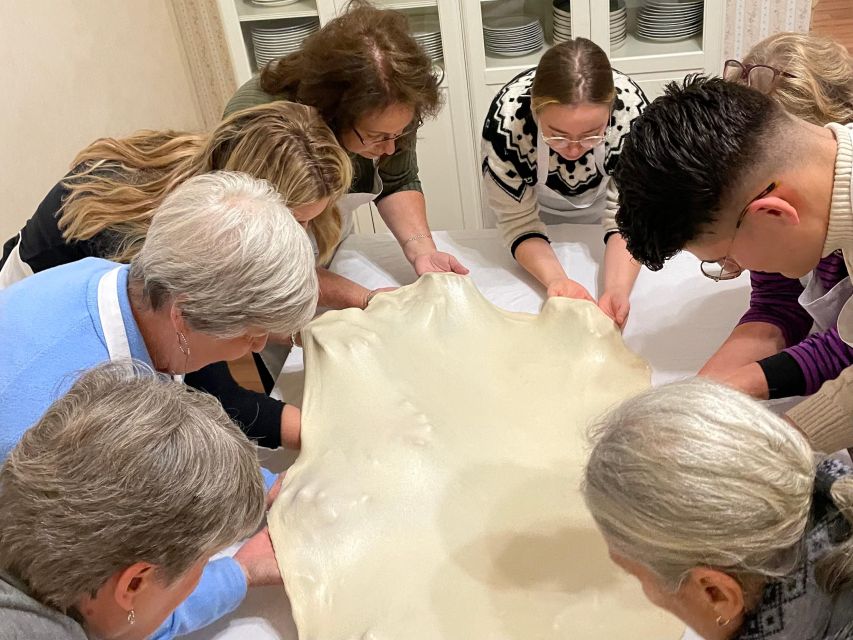
Many cooking classes give you a recipe and let you assemble a dish. This one focuses on a skill that can seem a little alarming at first: pulling pastry until it becomes very thin without tearing it.
The dough is elastic, and you work it under the chef’s direction. You will learn how to handle it gently, stretch it across the work surface, and prepare it for filling. That hands-on stage is the heart of the experience. It also explains why traditional strudel has a different feel from a dessert made with store-bought puff pastry.
You make two strudels from beginning to end. The exact fillings depend on the available choices, but the class can include sweet cottage cheese cream, apple, sour cherry, poppy seed with pumpkin, or sweet and salty cabbage. That mix gives you a useful comparison between sweet and savory Hungarian flavors.
I especially like that the class does not treat strudel as an isolated dessert. You learn how local ingredients and family habits shape the final result. A recipe may look simple on paper, but the practical guidance about dough, filling, and baking is what helps you repeat it at home.
More Hungarian pastries and chimney cake:
- Budapest All in One Small Group Walking Tour with Strudel Stop
★ 5.0 · 1,277 reviews - Budapest: Hungarian Chimney Cake Workshop in the City Center
★ 4.8 · 885 reviews - Chimney Cake Workshop Budapest Downtown – Kürtőskalács Class
★ 5.0 · 220 reviews
Inside the Király Street Apartment
The meeting point is a private apartment at Király u. 77, 1077 Budapest. You make your own way there, and the activity finishes at the same address. Hotel pickup and drop-off are not included, so plan your route before the starting time.
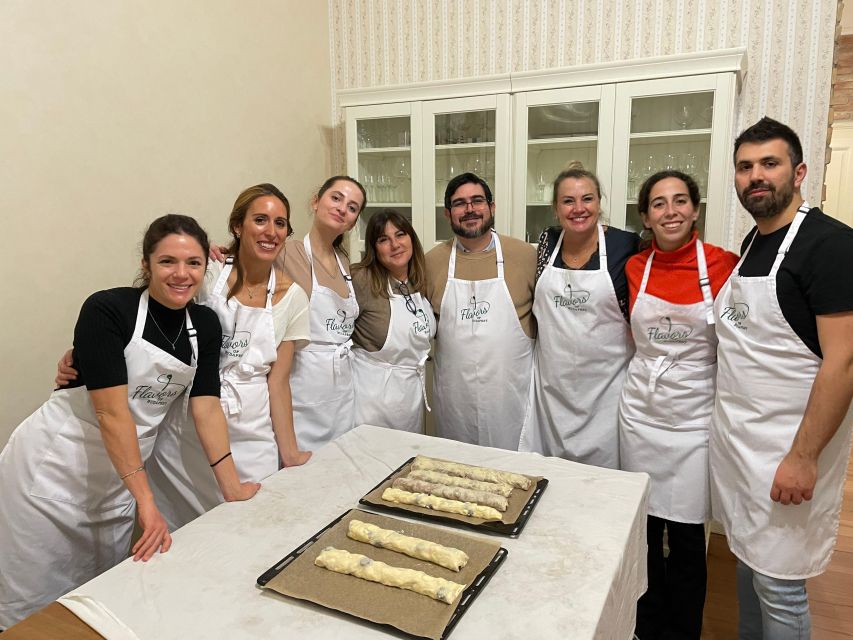
A private apartment changes the tone of the class. You are not watching a chef perform behind a counter while a large group stands at a distance. The group is limited to 10 people, creating a small-group or family-style setting where you can follow the process closely and ask questions.
The apartment setting also fits the subject. Strudel is presented as home cooking, passed down through a family rather than treated as a formal restaurant specialty. Chef Marti teaches her mother’s version, which gives the class a personal connection that a standard demonstration may not provide.
The class is conducted in English. That matters because the instructions involve touch and timing, not just a written recipe. You need to understand when to stretch, how to handle the dough, and how to prepare the filling. English instruction keeps those steps clear.
The Food Story Behind the Dessert
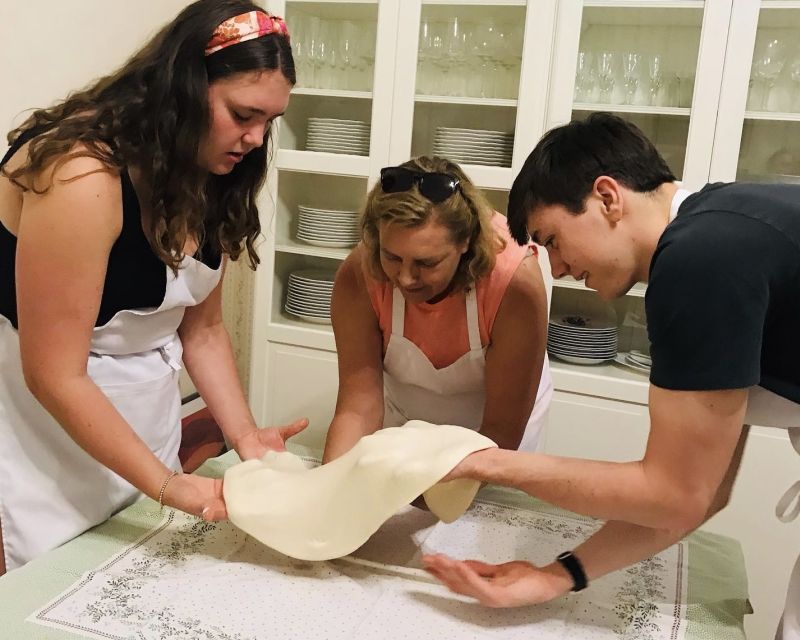
Before the practical work, Marti explains the history of strudel and its place in Hungarian food culture. The dessert is associated with the Habsburg Empire, while its origins in Hungary also connect to Turkish influence. This gives you useful context for a pastry that is now strongly linked with Central European cooking.
The class also looks at strudel’s role in countryside wedding dinners. That detail helps explain why the dessert matters beyond its taste. Food served at weddings often carries family customs and local identity, and strudel has been part of those celebrations in rural Hungary.
You also hear about wider Hungarian cuisine, household habits, and everyday life. The value here is not academic history. It is the chance to understand why certain fillings are familiar, why sweet and savory versions both belong in the tradition, and how a family recipe becomes part of local culture.
I find this kind of food background useful because it gives you a better way to read menus during the rest of your Budapest visit. Instead of seeing strudel as simply a sweet pastry, you understand it as a dish with regional variations and a place in family celebrations.
Choosing Two Fillings
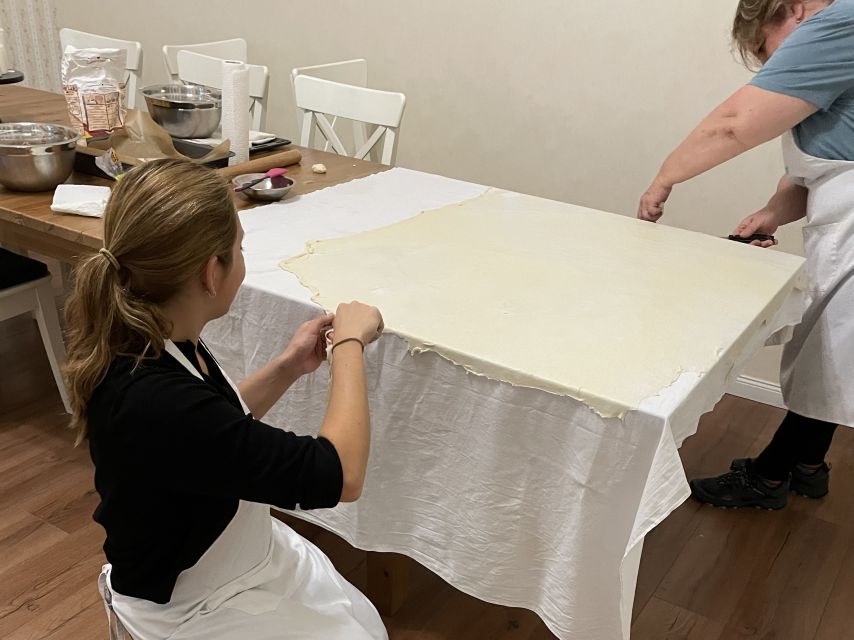
The class allows you to make two different strudels, which is one of its strongest features. You get variety, and you can see how the same thin pastry works with very different fillings.
For a sweet option, cottage cheese cream gives you a classic Hungarian flavor. Apple and sour cherry are also possible choices, with the sour cherry version paired with cottage cheese in one reported class. Poppy seed with pumpkin offers a less familiar combination for many visitors.
The cabbage fillings take the class in another direction. Sweet cabbage works as a dessert-style filling, while salty cabbage turns the strudel into a savory dish. If you prefer to keep the experience close to dessert, choose two sweet fillings. If you want a better picture of Hungarian home cooking, pairing one sweet and one savory option may be more useful.
Do not expect every filling to be available at every session. The activity information gives examples rather than a fixed menu. Ask about the choices when you arrive, especially if you have a strong preference or need to avoid a particular ingredient.
The two-strudel format also makes the $90 price easier to assess. You are not only eating two finished pastries. You are paying for ingredients, equipment, professional guidance, food discussion, drinks, snacks, and recipes. It is not a budget meal, but it offers more participation than a standard bakery stop.
A few more Budapest tours worth comparing
- Budapest Cooking Class & Market Tour with Local Guide & Wines
★ 5.0 · 553 reviews - Budapest: Essentials of Hungarian Wine Tasting Class
★ 4.9 · 174 reviews - Budapest: Hungarian Cooking Class and Market Walk
★ 5.0 · 91 reviews - Hungarian Strudel Making Class: Stretch & Fill Two Ways
★ 5.0 · 76 reviews
From Dough to Oven
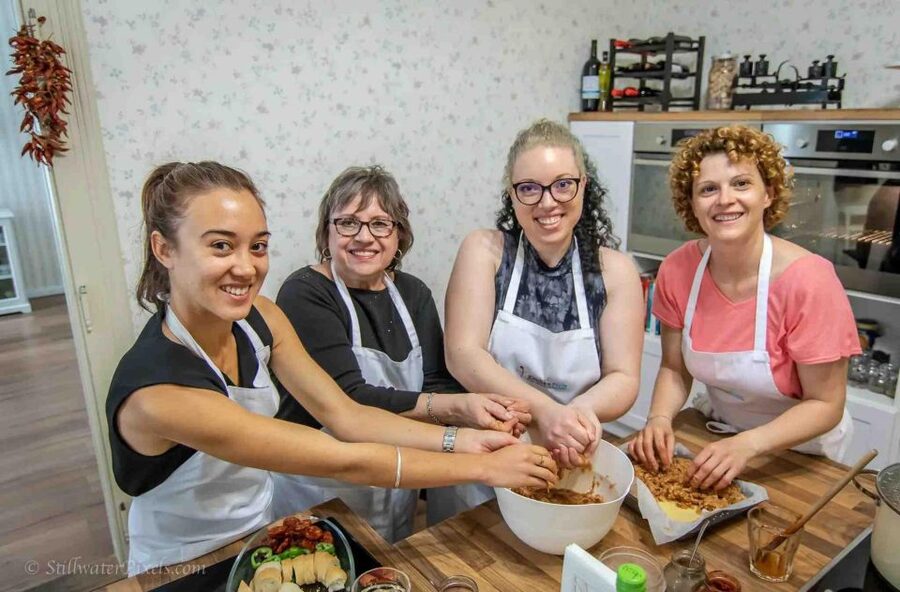
Once the dough is stretched, you add the chosen fillings and prepare the pastries for baking. The chef guides you through the process, so you are not left to guess how much filling to use or how to handle the fragile pastry.
This is where patience matters. Traditional stretched pastry is not a shortcut dessert. You should expect to work with your hands and pay attention to the texture of the dough. The class is suitable for children aged 10 and older, but younger children are not accepted.
The 2.5-hour length gives the class room for both cooking and conversation. You have enough time to hear the food stories, make two pastries, wait for them to bake, and sit down to eat. It is not an activity to squeeze between two tightly scheduled sightseeing stops.
While the strudels bake, you taste other typical Hungarian bites. Drinks include 2 deciliters of Hungarian wine, soft drinks, mineral water, and coffee. One particularly personal touch is the homemade soda made with syrup from family-grown elderberries and raspberries, when available as part of the tasting.
The waiting period is therefore part of the meal rather than dead time. You can continue talking with the group, taste the snacks, and learn more about Hungarian food while the baking finishes.
Eating What You Made
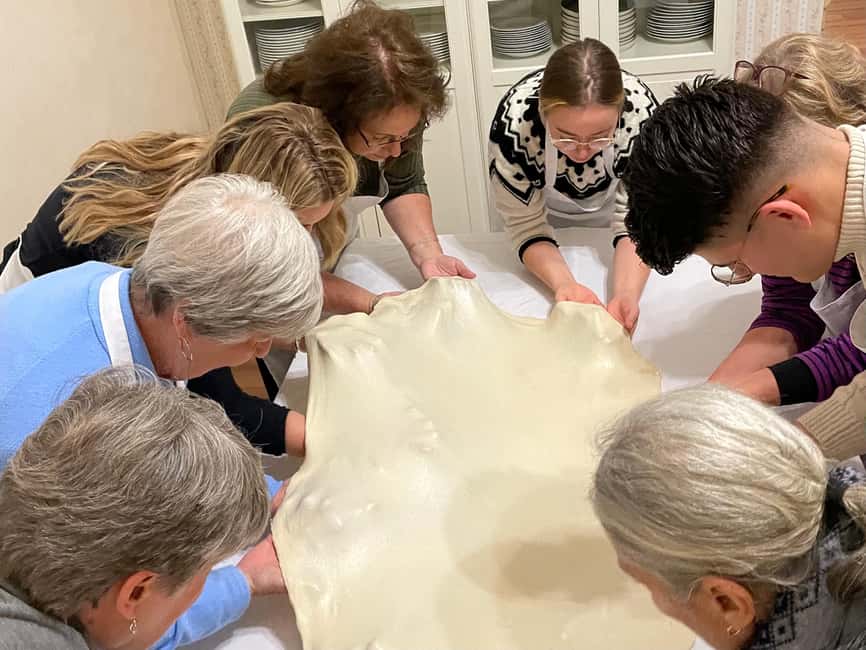
At the end, you sit down with the group and eat the two strudels. This shared finish is important. You see the full process, then get to judge the texture and filling while the result is fresh.
The class has earned strong praise for Marti’s manner. She is described as patient, kind, relaxed, and clear in her teaching. Those qualities matter in a hands-on class because pastry can be frustrating when the dough does not behave as expected. A calm instructor makes it easier to try again and learn from the process.
The setting also encourages conversation. You are in a group of no more than 10, with food and drinks on the table, rather than moving through a series of stations. If you enjoy meeting people through cooking, this format should suit you well.
Still, this is not the best choice if you want a private class for just your own party. The small group is limited, but it is still a group experience. You should also expect the class to focus on the traditions and recipes chosen by the host, rather than a broad survey of every Hungarian dessert.
What You Take Home
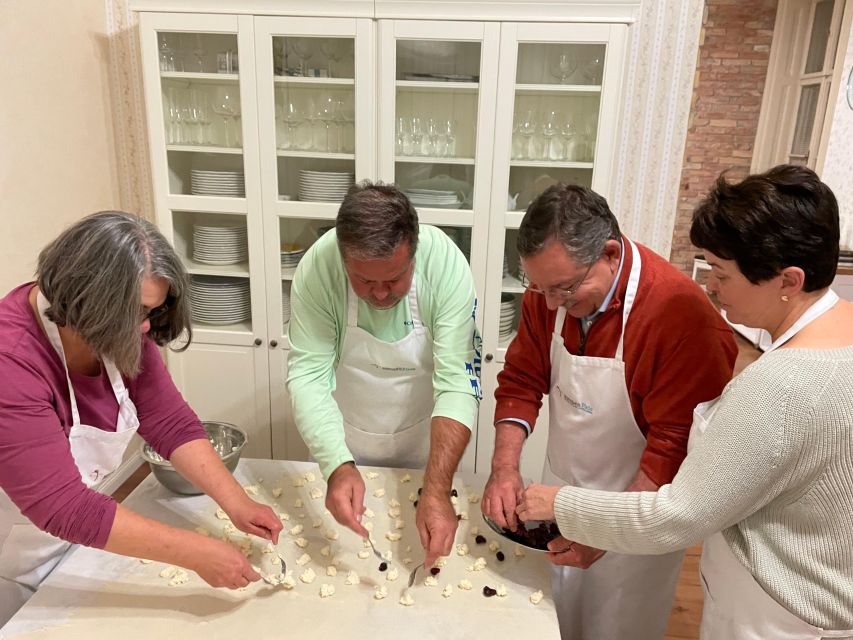
The most useful souvenir is the collection of family recipes. You can recreate the strudels for friends and family instead of leaving the technique behind in Budapest.
That makes this activity a better fit for home cooks than for someone who only wants a food sample. The recipes give you a starting point, but remember that stretching dough is a physical skill. You may need a little practice before your first home attempt matches the class result.
The experience also gives you a story to share. You can explain that you made stretched pastry by hand, learned about its links to Hungarian weddings and Central European history, and tried fillings that go beyond the familiar apple version.
Timing, Age, and Practical Details
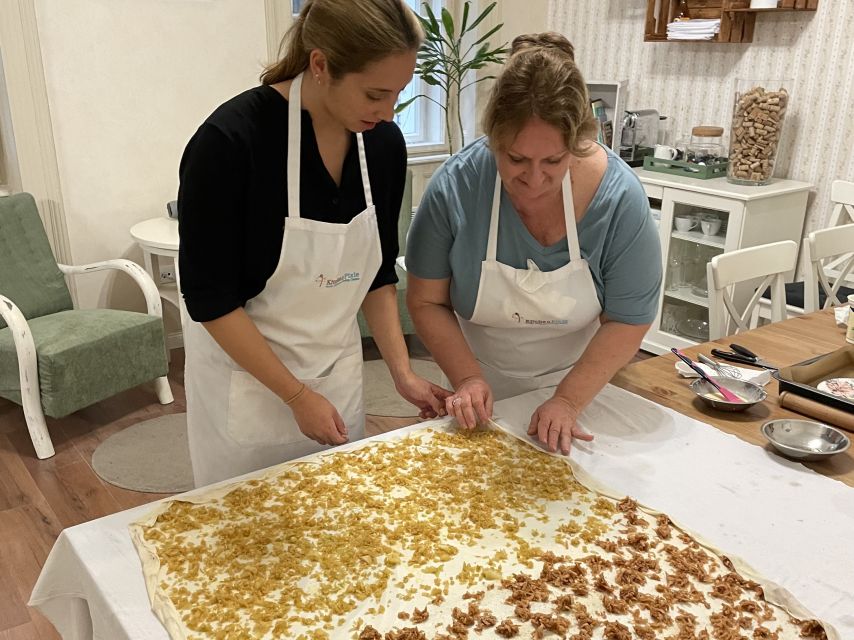
The class lasts 2.5 hours, with starting times shown according to availability. Because you must reach the apartment yourself, leave enough time to get to Király Street without rushing.
The address is in central Budapest, at Király u. 77. The activity begins and ends there. No transportation is included, and no hotel transfer is provided.
English is the listed teaching language. The group can include up to 10 participants. Children under 10 are not accepted, so families should check the age rule before booking.
You can cancel up to 24 hours before the activity for a full refund. Reserve-now-and-pay-later booking may also be available, which helps if you are still arranging the rest of your Budapest schedule.
Is $90 a Fair Price?
At $90, this is a premium food activity. You could buy pastries for far less at a Budapest bakery. The price makes sense only if you want to learn the method, spend time with a local chef, eat a full selection of food and drinks, and take home recipes.
The value improves for people who enjoy cooking or want a personal cultural activity. You make two strudels, not just one, and the ingredients and equipment are supplied. The included wine, coffee, soft drinks, mineral water, and snacks also mean you are not paying for the class and then adding a separate meal immediately afterward.
It is less compelling for anyone who simply wants the cheapest taste of Hungarian dessert. In that case, a bakery or market visit will cost much less and take less time. But those options will not teach you how to stretch the pastry or explain its place in Hungarian family life.
The perfect comparison is not a pastry purchase. It is another small-group cooking class. Against that standard, the family recipe, private apartment setting, two fillings, and hands-on dough work give the price a reasonable basis.
Who Should Book This Class?
I would recommend it to curious eaters, home bakers, couples, families with older children, and anyone who likes learning through food. It works especially well during a Budapest visit when you want a break from museums and city sightseeing without giving up cultural content.
It is also a good choice for people who prefer a relaxed class to a polished restaurant demonstration. Marti’s teaching style is patient and personal, and the small group lets you take part in the work.
You may want to skip it if you dislike baking, have very limited time, or are looking for a formal meal rather than a cooking lesson. You should also check the filling options in advance if you have dietary restrictions, since the available fillings and snacks are not fully fixed in the information provided.
FAQ
Where does the strudel class take place?
The class takes place at the local partner’s private apartment at Király u. 77, 1077 Budapest, Hungary.
How long does the activity last?
The experience lasts 2.5 hours. Starting times depend on availability.
How many strudels will I make?
You will make two traditional stretched strudels, each with a different filling.
What fillings can be used?
Possible fillings include poppy seed with pumpkin, sweet or salty cabbage, sweet cottage cheese cream, apple, and sour cherry with cottage cheese. Choices may vary by session.
Is the class taught in English?
Yes. English is the listed language for the instructor and activity.
What drinks and food are included?
The class includes typical Hungarian snacks, 2 deciliters of Hungarian wine, soft drinks, mineral water, and coffee.
Are children allowed to participate?
Children under 10 are not permitted to join the activity.
Is hotel pickup included?
No. You must make your own way to the apartment, and the activity ends back at the meeting point.
Should You Book It?
Book this class if you want to understand Hungarian strudel by making it yourself. The strongest reasons are the hand-stretched pastry, two different fillings, Chef Marti’s family recipe, and the chance to connect the dessert with Hungarian customs and celebrations.
Skip it if $90 feels high for a pastry-focused activity or if you would rather spend your Budapest food budget sampling several bakeries. For a small group, personal instruction, included food and drinks, and recipes you can use at home, this is a thoughtful choice for cooks and food-minded visitors.
Recently added around Budapest
- Hiking + Chairlift ride + viewpoints in Budapest★ 5.0 · 3 reviews
- FoolsCode: EscapeRoom/Sightseeing tour with Actor Tourguide★ 5.0 · 3 reviews
- Grand Budapest tour with private transportation★ 5.0 · 3 reviews
- Budapest: Private Customizable Tour in French★ 5.0 · 3 reviews
- Budapest: Private, Personalized Pub Crawl, 3 drinks included★ 4.5 · 3 reviews
- Budapest Drinks and Piano Show Cruise★ 4.5 · 3 reviews
- Discover Budapest Using Tram Two★ 5.0 · 3 reviews
- Budapest Urban Treats – Cake and Coffee House Tour★ 5.0 · 3 reviews
Budapest Chimney Cake & Pastry Tours, compared.

Budapest All in One Small Group Walking Tour with Strudel Stop
Read our review →
Hungarian Chimney Cake Workshop in the City Center
Read our review →
Chimney Cake Workshop Budapest Downtown – Kürtőskalács Class
Read our review →
Hungarian Strudel Making Class: Stretch & Fill Two Ways
Read our review →
Private Budapest All In One Walking Tour with Strudel Stop
Read our review →

Kürtőskalács: Chimney Cake Workshop in City Park Budapest
Read our review →
Budapest Christmas Market Tour with Basilica visit & Chimney cake
Read our review →Browse the lists this tour appears in