
Reviewed · COOKING CLASSES
Budapest: Hungarian Cooking Class and Market Walk
Budapest’s best food lesson may begin with a market basket, not a classroom. You meet your guide outside the Central Market Hall, taste Hungarian treats, shop for ingredients, then cook a family recipe in a nearby apartment. The market walk gives the meal a useful sense of place.
I like the small-group, communal format, which makes this feel more like being welcomed into a Hungarian home than watching a chef perform. I also like the practical mix of history, tasting, cooking, wine, recipes, and neighborhood advice. The main consideration is the four-hour commitment, plus the fact that wine and pálinka are part of the experience, so it may not suit anyone avoiding alcohol.
In This Review
- Key points to know before booking
- Starting at Budapest’s Central Market Hall
- Tasting paprika, sausage, and Hungarian spirits
- Moving from the market to the apartment
- Choosing your Hungarian main dish
- Chicken paprikash
- Beef goulash stew
- Mushroom paprikas or lecsó
- Cooking together instead of watching a demonstration
- Eating the finished meal
- What the $98 price includes
- Timing, meeting details, and practical planning
- Who should book Foodapest
- Should you book this Budapest cooking class?
- FAQ
- Where does the cooking class begin?
- How will I recognize the guide?
- Where does the experience end?
- How long does the experience last?
- What dishes can the group prepare?
- Can vegetarian, vegan, or halal meals be arranged?
- Are wine and pálinka included?
Key points to know before booking
- Central Market Hall first: Begin at the main entrance by the yellow tram stop and explore Hungary’s largest indoor market with guided tastings.
- Family recipes in an apartment: Cook in a home-style setting rather than a formal culinary school.
- Several Hungarian dishes: The choices include chicken paprikash, beef goulash, mushroom paprikas, lecsó, and, depending on the arrangement, stuffed cabbage rolls.
- Food and drink are built in: Cold cuts, salami, sausages, cheeses, dips, local wine, and pálinka are included.
- Good for mixed groups: Vegetarian, vegan, and halal arrangements are possible when requested ahead of time.
- Strong guide element: Emese, George, Kinga, and Marcell are named in the experience details and feedback, with George and Marcell especially noted for their hosting and cooking instruction.
Starting at Budapest’s Central Market Hall
The meeting point is easy to identify: outside the main entrance of the Central Market Hall, beside the yellow tram stop. Your guide carries a brown market basket, a simple touch that saves you from scanning every face near one of Budapest’s busiest food landmarks.
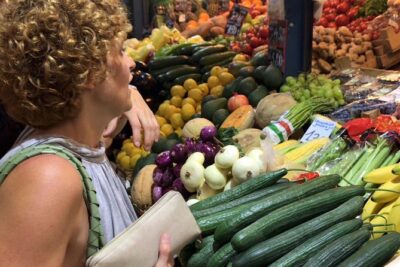
The Central Market Hall is a worthwhile beginning because it puts Hungarian cooking in its working setting. This is not just a quick stop for a few photographs. You walk through the market, talk about Hungarian food and culture, and sample local products before deciding what belongs in the cooking pot.
The market is described as the largest indoor market in Hungary and one of the largest in Europe. Its scale can feel a little grand for a food lesson, but the guide gives the visit direction. You are not left to wander among stalls wondering which paprika, sausage, pickle, or sweet is worth trying.
The tasting stops are one of the strongest parts of the experience. You may try Hungarian specialties while hearing how they fit into local cooking and daily life. One especially unusual detail is the possibility of seeing the market’s lower level, including a relief map, pickled produce, and a taste of Hungarian spirits. That extra look below the main hall gives the building more character than a standard market visit.
You should still expect a public market, not a quiet food studio. It can be busy, and the walking portion is more about samples and stories than a long shopping session. Wear comfortable shoes and keep your schedule open enough that you do not have to hurry the guide along.
More cooking classes in Budapest:
- Budapest Cooking Class & Market Tour with Local Guide & Wines
★ 5.0 · 553 reviews - Premium Hungarian Home Cooking Experience with Chef Marti
★ 5.0 · 169 reviews - Hungarian Cooking and optional Local Market Tour
★ 4.5 · 98 reviews
Tasting paprika, sausage, and Hungarian spirits
Hungarian food often begins with paprika, but paprika is not one single flavor. During the experience, you can compare smoky, sweet, and spicy varieties, which helps explain why the spice matters so much in Hungarian cooking.
That small lesson has real value. A dish such as chicken paprikash can look simple on paper, yet the quality and type of paprika shape the result. Seeing and tasting the ingredients before cooking makes the later instructions easier to remember, and it gives you a better chance of recreating the dish at home.
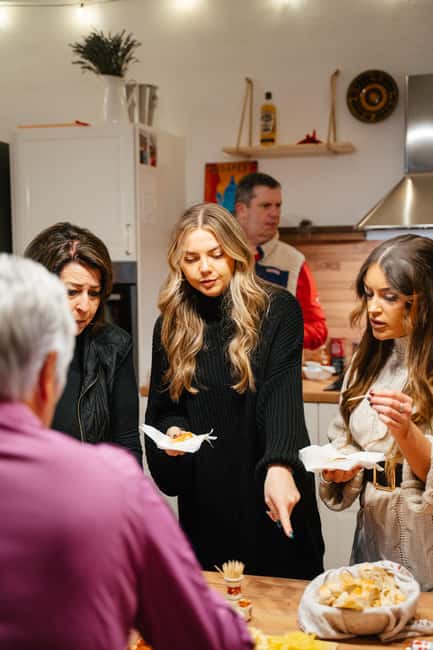
The market portion also includes local cold cuts, meats, cheeses, sausages, salamis, and dips. These become appetizers at the apartment, so the meal begins well before the main dish is ready. I like this arrangement because it gives you something to eat while working, rather than forcing everyone to wait for the final pot to finish.
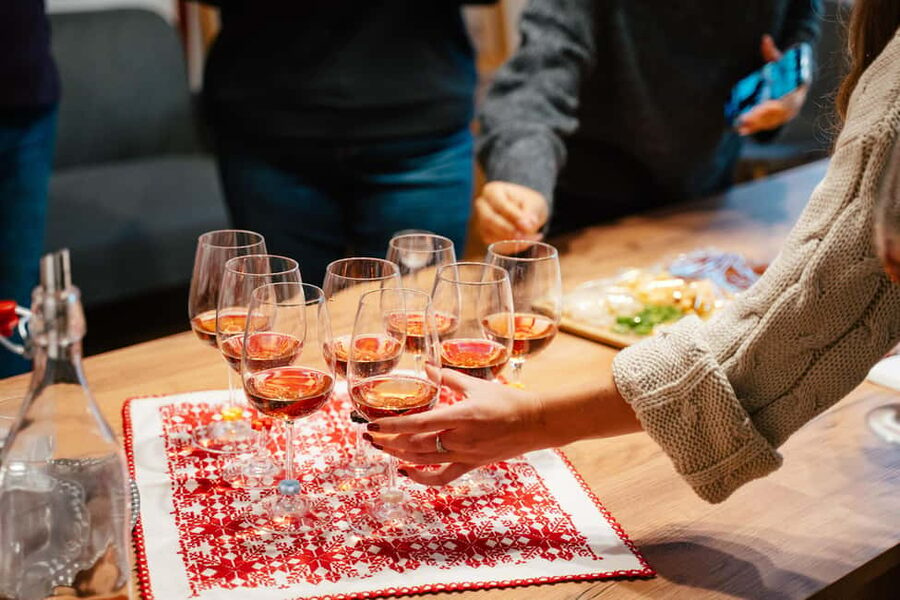
Wine and pálinka are included. Pálinka is a strong Hungarian fruit spirit, and it is presented as part of the local food culture rather than as a separate bar stop. Still, you can plan sensibly: if you do not drink alcohol, tell the provider in advance and make sure you understand what alternatives are available.
The tastings also help solo visitors and couples connect with the rest of the group. Cooking classes naturally put people around the same table, and this one uses that social side well. Several visitors appreciated meeting people from other countries, while families with children aged 12 and 13 found the setting enjoyable.
Moving from the market to the apartment
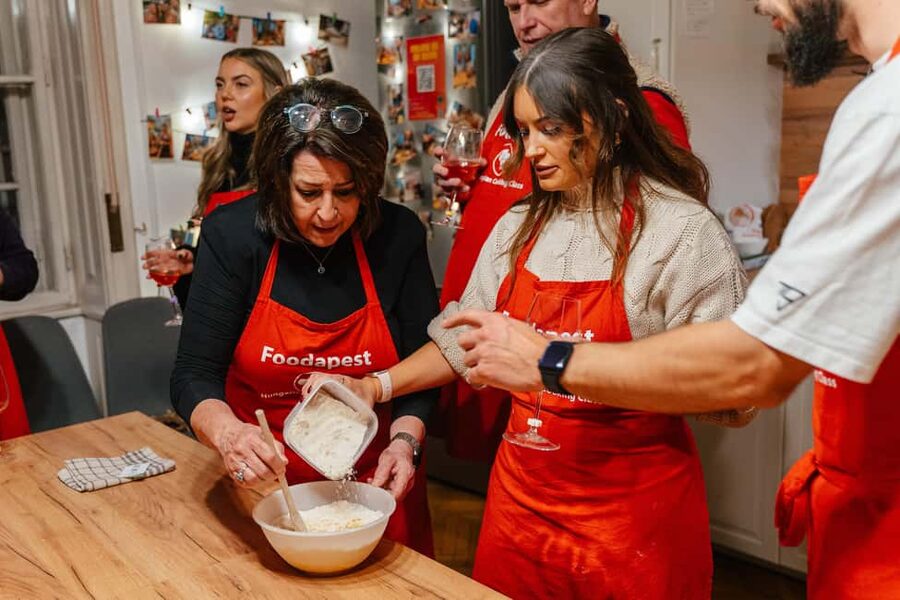
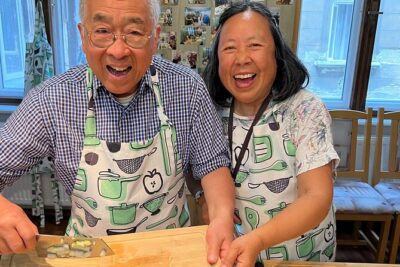
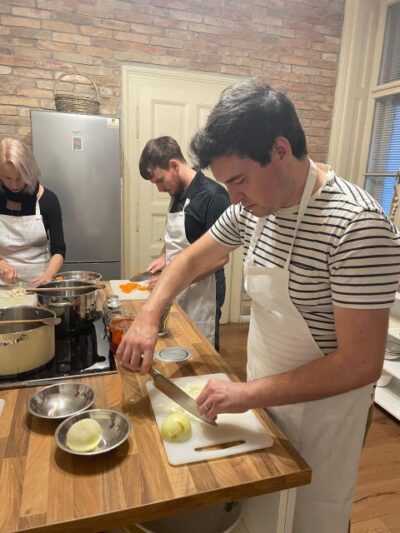
After the market walk, the group heads to a nearby apartment for the hands-on part. The apartment setting is central to the character of the class. You are not standing behind a rope watching a professional prepare everything. You work together, ask questions, share food, and take part in the preparation.
The home-style atmosphere also explains why the guides are such an important part of the experience. George is repeatedly praised for making the apartment feel like a friend’s home, while Marcell is described as a strong mentor and guide. Emese is noted for combining food stops with history and for looking after the group. Kinga receives credit for managing the group dynamics well.
The names matter because the tone may vary slightly by host. George appears especially associated with the family-recipe and generous-host side of the class. Marcell is often linked with clear guidance and an easygoing cooking session. The exact instructor depends on the date, so check the booking details if a particular guide is important to you.
The group size is described as small and intimate in the feedback, although a fixed maximum is not supplied. That means you can expect a more personal experience than a large demonstration, but you should not assume a private class unless it is specifically stated.
Choosing your Hungarian main dish
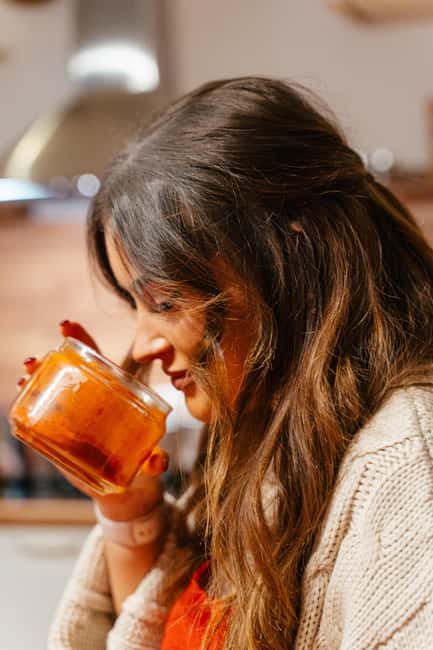
The class lets your party choose a main dish. The listed choices include chicken paprikash, beef goulash stew, mushroom paprikas, and lecsó. The advance information also refers to stuffed cabbage rolls, so confirm the current menu and your preferred dish when booking.
More Budapest markets:
- Budapest Food Tour: Market to Tavern with 14+ Tasters & Wines
★ 5.0 · 434 reviews - Budapest: Hungarian Cuisine in the Market Hall (german)
★ 4.8 · 146 reviews - Easy Cooking Class Budapest – with Market Walk (local wine & pálinka included)
★ 5.0 · 62 reviews - Budapest Great Market Hall Chef‑Led Private Tasting Tour
★ 5.0 · 61 reviews
Chicken paprikash
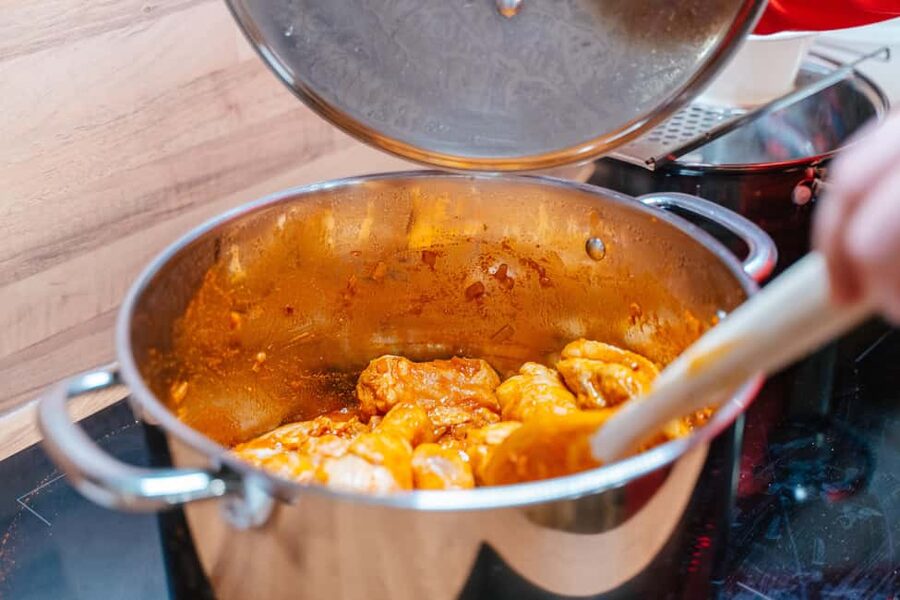
Chicken paprikash is the clearest introduction to classic Hungarian home cooking. It is approachable, strongly associated with the country, and built around paprika and a comforting sauce. The recipe comes from family cooking traditions, including the grandmother’s recipes mentioned in the experience.
You also may learn to prepare dumplings alongside the chicken. That pairing turns a familiar stew into a full meal and gives you a useful technique to repeat at home. Several people specifically found the dish delicious and said it would become part of their regular cooking at home.
Beef goulash stew
The beef goulash is presented as a traditional family recipe meant to warm you up. It is a good choice if you want a hearty dish with a longer-cooked, stew-like character.
Because your party chooses one main dish, ask about the timing and exact menu if goulash is your priority. The class may adapt its cooking plan to the group, so advance communication helps avoid disappointment.
Mushroom paprikas or lecsó
Mushroom paprikas and lecsó make the class useful for vegetarian and vegan diners. These are not afterthoughts added once the meat dishes are prepared. The experience specifically offers hearty vegetable-based choices, and one couple appreciated having both a meat dish and a vegetarian dish available for their group.
You must state dietary needs ahead of time. Halal ingredients can also be provided on request. Do not wait until the market meeting point to explain a serious restriction, since the shopping and menu planning happen before the cooking begins.
Cooking together instead of watching a demonstration
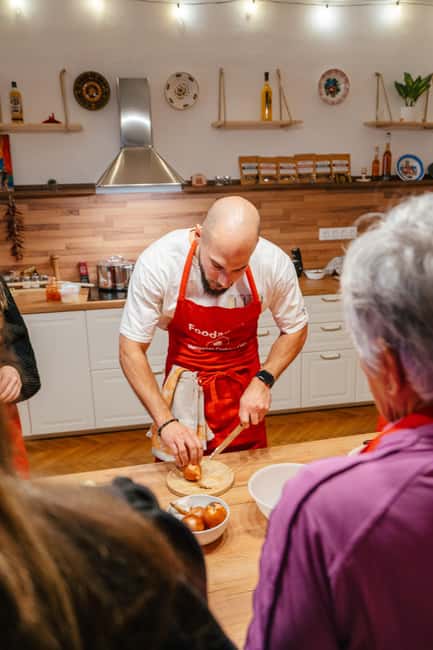
The communal format is the heart of the afternoon. You roll up your sleeves, help prepare the food, and learn the methods behind the recipes. The class is less about perfect knife skills or restaurant presentation and more about understanding how Hungarian families cook and eat together.
That makes it a good match for curious home cooks, including beginners. You can ask why an ingredient is used, how paprika changes a dish, or how to adjust the recipe later. The recipes are provided afterward, which turns the experience into something more useful than a meal you remember only through photographs.
The atmosphere is also part of the lesson. Wine, conversation, snacks, and shared tasks create a relaxed table culture. George is praised for his patience, humor, and generosity, while the guides are repeatedly described as friendly and informative about Hungarian food, culture, and history.
There is a tradeoff. If you want a tightly timed professional cooking course with advanced technique, this may feel informal. The social side can also make the pace depend on the group. That is a benefit if you enjoy conversation, but less so if you want to cook quickly and leave.
Eating the finished meal
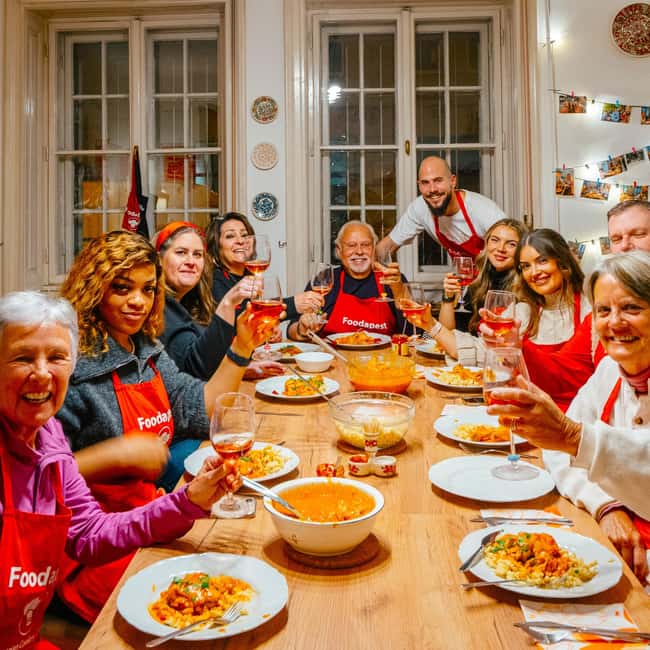
The final meal is the payoff, but it is not the only reason to book. You eat what the group has prepared, along with the market appetizers and drinks. The meal gives you a chance to taste the result while the instructions are still fresh.
The shared table is especially useful for solo visitors. You are placed in a natural setting for conversation, and the class encourages the sort of easy interaction that can be harder to find during ordinary sightseeing. Families can also take part, provided children are comfortable with a food-focused, alcohol-present setting.
The apartment itself is described as charming, and the setting helps keep the afternoon personal. It also adds a cultural layer that a restaurant meal cannot provide. You learn not only what Hungarian food tastes like, but how a family recipe can carry memory from one generation to the next.
What the $98 price includes
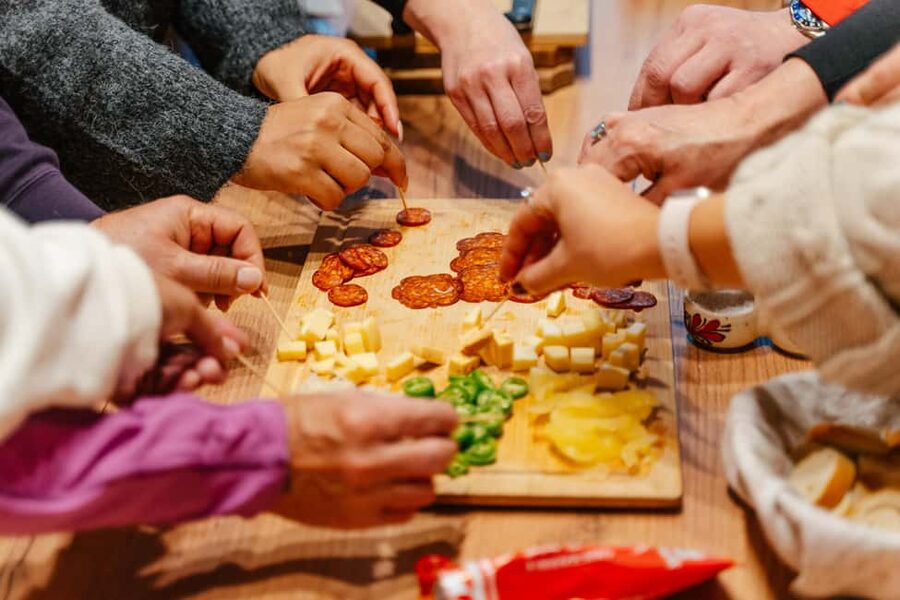
At $98 per person, this is not the cheapest way to eat in Budapest. It is also more than the price of a market lunch. The value depends on how many parts of the experience you would otherwise book separately.
Your fee covers a guided Central Market Hall visit, tastings, appetizers, the communal cooking session, a main meal, wine, pálinka, recipes, local recommendations, and a surprise souvenir. You also receive direct access to a local host who can answer practical questions about Budapest during the class.
I consider the price fair if you value participation and personal contact. You are paying for four hours of food, instruction, drinks, and cultural conversation, not simply for a plate of paprikash. The recipes add lasting value, especially if you actually cook them once you return home.
The value is weaker if you mainly want a quick meal or a formal chef-led lesson. In that case, you may find the market tour and social conversation more time than you need. Book this for the complete afternoon, not just the final dish.
Timing, meeting details, and practical planning
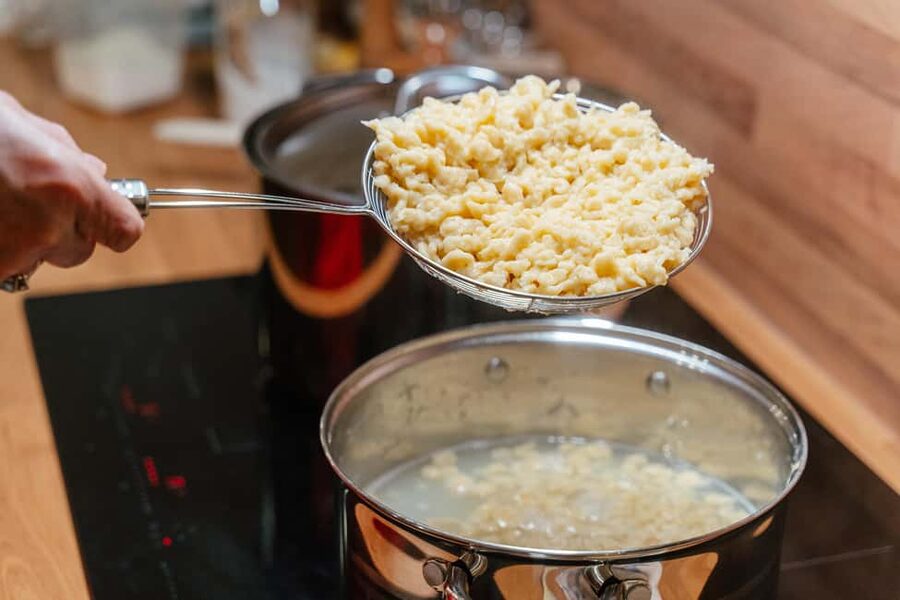
The experience lasts four hours, with starting times available when you check the date. It begins and ends at the Central Market Hall meeting point, so you can plan your Budapest day around that location.
The guide meets you by the main entrance on the yellow tram side. Look for the brown market basket. The activity returns to the same meeting point after the apartment cooking session.
The tour is conducted in English. If you have food allergies, dietary restrictions, or a firm preference for chicken paprikash, goulash, stuffed cabbage rolls, mushroom paprikas, or lecsó, notify Foodapest before the day of the class. Halal ingredients can be arranged on request.
You can cancel up to 24 hours ahead for a full refund, and the reserve-now, pay-later option keeps your plans flexible. Those terms are useful in Budapest, where weather, train schedules, and last-minute changes can affect a tightly planned holiday.
Who should book Foodapest
I would recommend this to food-focused visitors who want more than a restaurant meal. It suits couples, families, solo visitors, and small groups who enjoy talking with locals and meeting other people around a shared table.
It is also a strong first introduction to Hungarian cuisine. You taste ingredients at the market, hear the cultural background, cook a recognized national dish, and take the recipe home. That sequence gives you context instead of presenting Hungarian food as a list of unfamiliar names.
Vegetarians, vegans, and people requesting halal ingredients can join, but only with advance notice. The alcohol component deserves equal attention. Wine and pálinka are included, so anyone who does not drink should clarify the arrangements before booking.
I would be less likely to choose it for a rushed itinerary, a private romantic occasion, or an advanced cooking student seeking technical training. The class works best when you have four unhurried hours and are happy to let the group shape the pace.
Should you book this Budapest cooking class?
Book it if you want an afternoon that connects Budapest’s market life with food you can make at home. The strongest reasons are the Central Market Hall tastings, the family recipes, the small-group feel, and the chance to sit down with the people you cooked beside.
Chicken paprikash is the safest pick for a first visit, while mushroom paprikas or lecsó make sense for vegetarian and vegan diners. Confirm the available menu, tell the provider about restrictions, and arrive ready for conversation as well as cooking.
At $98, it is a splurge compared with a simple meal, but a reasonable price for a four-hour food-and-culture experience with drinks, recipes, and local advice included. If you want to understand Hungarian cooking rather than simply sample it, this is a smart choice.
FAQ
Where does the cooking class begin?
It begins outside the main entrance of Budapest’s Central Market Hall, beside the yellow tram stop.
How will I recognize the guide?
The guide will be holding a brown market basket.
Where does the experience end?
The activity ends back at the Central Market Hall meeting point.
How long does the experience last?
The cooking class and market walk last four hours. Starting times vary, so check availability for your date.
What dishes can the group prepare?
Choices include chicken paprikash, beef goulash stew, mushroom paprikas, and lecsó. The advance information also mentions stuffed cabbage rolls, so confirm the current choices when booking.
Can vegetarian, vegan, or halal meals be arranged?
Vegetarian and vegan dishes are available, and halal ingredients can be provided on request. Tell Foodapest about dietary needs beforehand.
Are wine and pálinka included?
Yes. Local wine and Hungarian spirits, including pálinka, are included, along with cold cuts, cheeses, meats, sausages, salamis, and dips.
More Workshops in Budapest
- Budapest: Hungarian Chimney Cake Workshop in the City Center
★ 4.8 · 885 reviews - Chimney Cake Workshop Budapest Downtown – Kürtőskalács Class
★ 5.0 · 220 reviews - Budapest: Essentials of Hungarian Wine Tasting Class
★ 4.9 · 174 reviews - Hungarian Strudel Making Class: Stretch & Fill Two Ways
★ 5.0 · 76 reviews
More Shopping Tours in Budapest
- Budapest: Central Market Hall Guided Food Tour with Tastings
★ 4.9 · 46 reviews - Budapest Market Tour & Home Cooking Class with local Chef & Guide
★ 5.0 · 23 reviews - Budapest Christmas Market Tour with Basilica visit & Chimney cake
★ 5.0 · 18 reviews - Gourmet Market Walk at the Great Market Hall of Budapest
★ 4.5 · 18 reviews
Recently added around Budapest
- Hiking + Chairlift ride + viewpoints in Budapest★ 5.0 · 3 reviews
- FoolsCode: EscapeRoom/Sightseeing tour with Actor Tourguide★ 5.0 · 3 reviews
- Grand Budapest tour with private transportation★ 5.0 · 3 reviews
- Budapest: Private Customizable Tour in French★ 5.0 · 3 reviews
- Budapest Drinks and Piano Show Cruise★ 4.5 · 3 reviews
- Discover Budapest Using Tram Two★ 5.0 · 3 reviews
- Budapest: Private, Personalized Pub Crawl, 3 drinks included★ 4.5 · 3 reviews
- Budapest: Private 3-Hour Gödöllő Palace Tour★ 4.9 · 3 reviews
Cooking Classes, compared.
Budapest Cooking Class & Market Tour with Local Guide & Wines
Read our review →
Premium Hungarian Home Cooking Experience with Chef Marti
Read our review →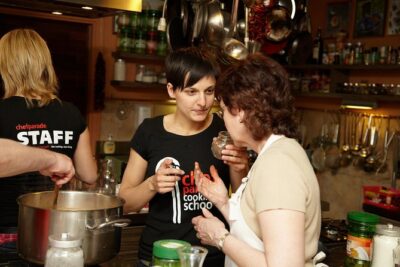
Hungarian Cooking and optional Local Market Tour
Read our review →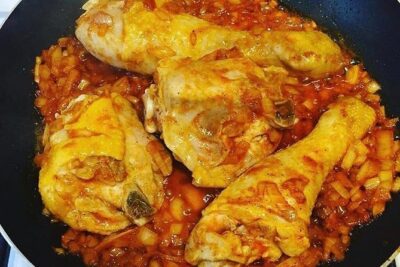
Easy Cooking Class Budapest – with Market Walk (local wine & pálinka included)
Read our review →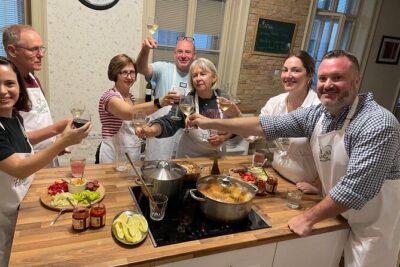
Budapest Market Tour & Home Cooking Class with local Chef & Guide
Read our review →
Hungarian Premium Cooking Class with 4-course meal
Read our review →Browse the lists this tour appears in