
Reviewed · FOOD & DRINK
Budapest Great Market Hall Chef‑Led Private Tasting Tour
The best part of this Budapest experience is that you do not simply look at the Great Market Hall, you learn how to read it. Andrew, a local former chef with excellent English, leads you through produce, sausages, pastries, paprika, pickles, and everyday staples, explaining what they are and how Hungarians use them. The tastings turn the market into a lesson you can eat.
I like two things right away. First, this is private, so you can shape the conversation around cooking, history, shopping, or all three. Second, Andrew helps with practical choices, including paprika and souvenirs, and points you toward vendors who are not pushy. The main consideration is the price: at $78.60 per person, it is more than a casual market snack stop, so you should want the explanation and personal attention, not just a quick bite.
In This Review
- Key points at a glance
- Starting with Hungarian food at 9:00 am
- Reading the Central Market Hall stall by stall
- The tasting menu, from langos to pickles
- Hungarian sweets with several textures
- What the private format changes
- Andrew’s local advice is part of the value
- Palinka, water, and the pace of the morning
- Price, timing, and who gets the most from it
- Should you book this market tour?
- FAQ
- Where does the Budapest Great Market Hall tour start?
- Where does the tour finish?
- How long does the experience last?
- Is the tour private?
- What food is included?
- Are drinks included?
- Is transportation included?
- What is the cancellation policy?
Key points at a glance
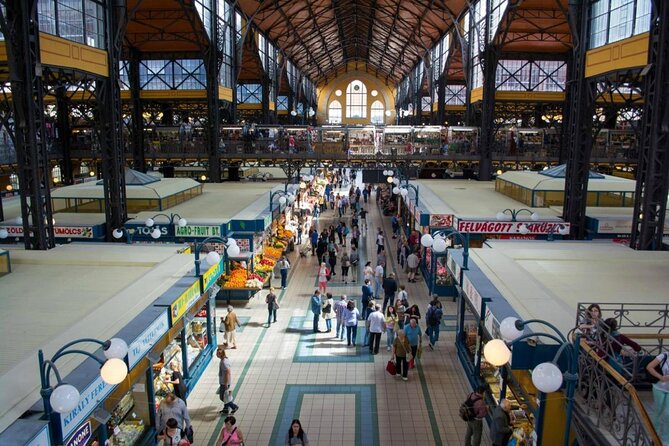
- Private access to the Central Market Hall: Only your group takes part, with room to set the pace and ask plenty of questions.
- A former chef as your guide: Andrew leads the experience in English and explains ingredients through real cooking examples.
- A broad tasting menu: Try langos, cured sausages, pickles, pogacsa, pork crackling, strudel, Turo Rudi, and Konyakmeggy.
- Useful shopping advice: You can get help choosing paprika, gifts, textiles, and other market goods.
- A 9:00 am start: The two-hour visit fits neatly into a morning of sightseeing in Budapest.
- Optional palinka: A shot of homemade palinka is included if you want to try it.
Starting with Hungarian food at 9:00 am
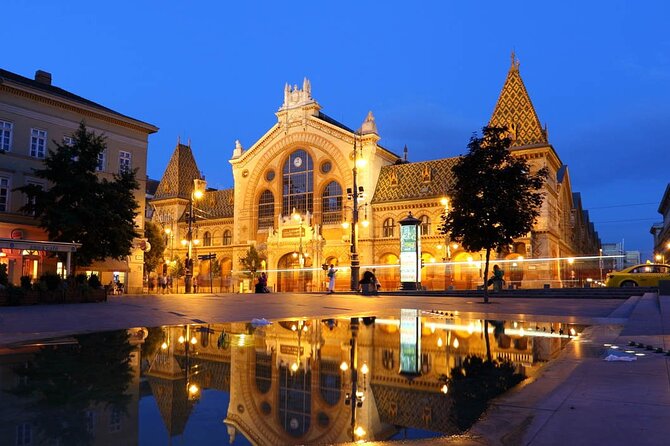
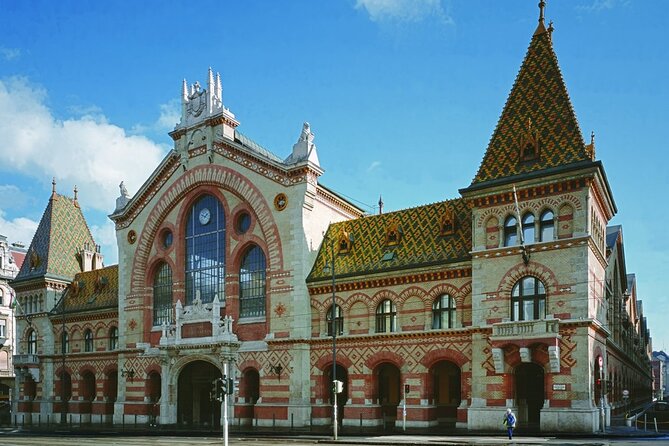
You meet at the Central Market Hall in Budapest at 9:00 am, and the activity finishes at the same place. That simple arrangement makes planning easy. You do not need to find a second meeting point or arrange a ride between stops.
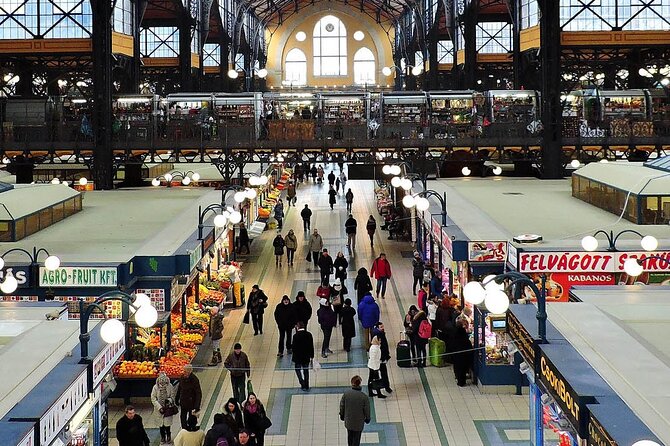
The hall is the only formal stop, but the experience is not a quick look around one aisle. You move through different sections and pause at selected stalls. The emphasis is on understanding what you see: how locals shop, what ingredients mean in Hungarian cooking, and why certain foods appear again and again in daily life.
I think the early start works well for this kind of tour. You can make it part of your first full morning in Budapest, then use what you have learned when ordering lunch or buying food later. The tradeoff is that 9:00 am may feel early if you have arrived after a late night, and the experience does not include transportation to the hall.
Since the activity is private, the exact balance depends on your group. If you are curious about paprika, expect to spend time on paprika. If your interest is pastries or Hungarian history, you can steer the discussion that way. The format is designed to be conversational rather than a fixed speech.
More at the Great Market Hall:
- Budapest: Hungarian Cuisine in the Market Hall (german)
★ 4.8 · 146 reviews - Budapest: Central Market Hall Guided Food Tour with Tastings
★ 4.9 · 46 reviews - Gourmet Market Walk at the Great Market Hall of Budapest
★ 4.5 · 18 reviews
Reading the Central Market Hall stall by stall
The market walk covers seasonal produce, cured meats, pastries, spices, and basic foods used in Hungarian homes. That range matters. You get a picture of food as part of ordinary life, rather than a narrow tour built around famous dishes alone.
Andrew explains unfamiliar items in plain terms and connects them to meals, traditions, and the story of Hungary. The paprika discussion is a featured subject, which is useful because paprika is easy to recognize but harder to understand as a shopping item. There are different ways to buy it, and the right choice depends on what you plan to do with it.
That practical help can save you from buying the first attractive packet you see. One useful feature of the visit is that Andrew can advise you on paprika gifts and other market purchases. He has also helped people avoid poor-quality textiles, so you can ask questions before spending money on souvenirs.
The market also sells more than food. You may encounter porcelain and embroidery alongside edible goods. The tour helps you see how the building functions as a shopping place, not only as a backdrop for photographs.
One point to keep in mind is that the market may not feel as busy or theatrical as you expect from the name Great Market Hall. That does not make the visit pointless, but it means the guide is important. The explanation and tasting give the building more purpose than simply walking through it on your own.
The tasting menu, from langos to pickles
The food is served as you move through the market. The menu combines familiar comfort foods with items that may be new to you, so it is best approached with curiosity rather than the expectation of a sit-down meal.
Langos is the major savory opening: fried bread dough topped with sour cream and cheese. It is filling, rich, and not especially delicate. If you have never tried it, this is a useful introduction because you can learn how the toppings change the experience. The portion is part of a wider tasting, so pace yourself.
You also sample a variety of cured sausages. These show the importance of preserved meat in Hungarian food culture and give you a chance to compare styles rather than treating sausage as one single food. The menu includes pork crackling as its own tasting, too. It is a more assertive bite, and not everyone will love the texture or richness.
The pickles offer a welcome contrast. The assortment may include unusual choices such as pickled baby watermelon, a detail that gives the tasting a playful edge. Pickles also help explain how sharp, sour flavors balance heavier foods such as sausage and fried dough.
Then come the pogacsa, savory scones or biscuits in three versions: cheese, potato, and pork crackling. These are easy to understand but useful for seeing how a basic baked snack can take several forms. If you like trying small variations of one food, this part should be a highlight.
The menu is generous in variety. You get salty, sour, fatty, fried, sweet, and chocolate-covered items in one morning. That variety is a strength, but it also means the experience is more about sampling than a carefully paced meal. Eat a light breakfast, but do not arrive starving, since several items are substantial.
Hungarian sweets with several textures
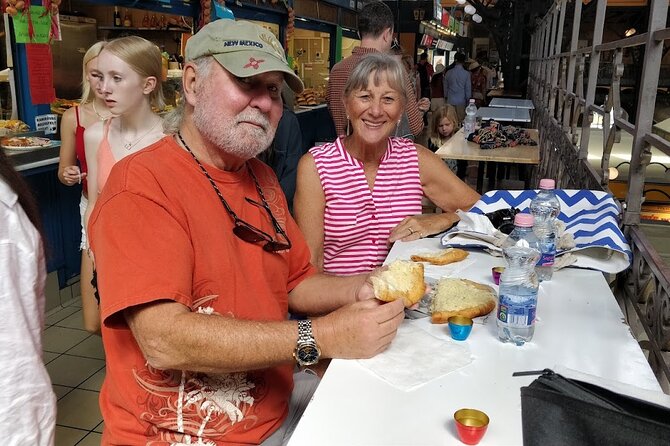
The sweet course is not limited to one pastry. You may try fresh strudel, with a choice of filling based on what is available, wrapped in layers of phyllo and baked on site. The choice can change, and examples include sour cherry strudel. That flexibility is a plus because the tasting reflects what is available rather than pretending the market has a fixed menu every day.
Turo Rudi is another distinctly Hungarian-style treat: cottage cheese with a hint of lemon covered in dark chocolate. It is unlike the usual tourist dessert and gives you a quick introduction to a popular local flavor combination.
Konyakmeggy brings another strong pairing, dark chocolate filled with cognac and sour cherry. It is small, sweet, and boozy. The combination of chocolate, fruit, and spirits makes it a fitting end to a food walk that covers a wide range of Hungarian tastes.
The dessert selection is particularly useful if you want to buy treats later. You can ask which foods travel well and which are better eaten fresh, although the specific shopping advice will depend on what interests you and what is available that morning.
More food tours in Budapest:
- Budapest: Unlimited Prosecco, Beer and Aperol Spritz Cruise
★ 4.8 · 25,310 reviews - Budapest: Unlimited Prosecco, Beer & Aperol Spritz Cruise
★ 4.5 · 3,371 reviews - Budapest Centre Food Tour with 10+ Tastings, Wine & Street Food
★ 5.0 · 810 reviews - Budapest: Wine, Cheese, and Charcuterie Tasting
★ 4.9 · 647 reviews
What the private format changes
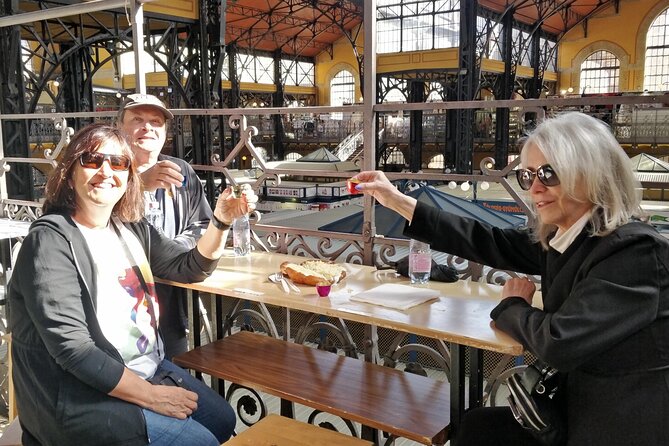
A private tour can mean different things in practice. Here, it means only your group participates, so you are not sharing the guide’s attention with a large crowd. That is valuable in a market, where questions often arise at the exact moment you see something unfamiliar.
You can ask why a spice is used, how a sausage is made, what a pastry contains, or which item makes a sensible gift. You can also spend more time in sections that interest you and move faster through those that do not.
The tone is intended to be relaxed and informal. Several descriptions of the experience point to Andrew’s humor and warm manner, with the walk feeling closer to a conversation with a well-informed local than a formal lecture. That style suits people who want to ask questions freely.
The private format is less useful if you only want a broad overview and a few cheap samples. You will pay for individual attention, and the $78.60 price should be judged on that basis. For a couple or small family that values flexibility, the cost may make sense. For a solo visitor focused mainly on eating, it is a larger spend.
The experience is also suitable for a mixed-interest group. One person can ask about food, another about Budapest’s past, and another about shopping. The guide adjusts the content instead of forcing every group through the same script.
Andrew’s local advice is part of the value
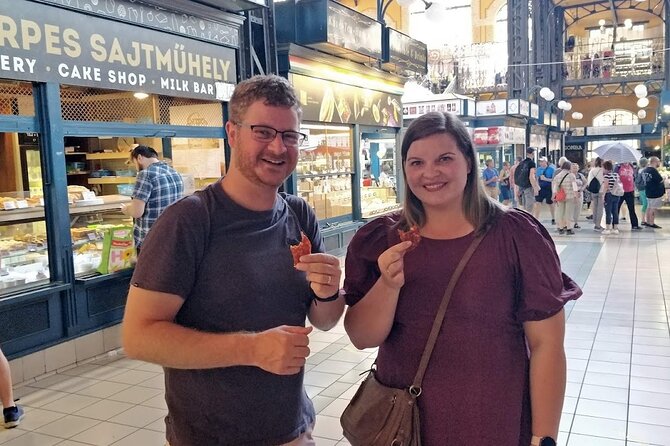
Food tours can be pleasant without being especially useful. This one adds value when the guide helps you make sense of what to do after the tour.
Paprika is the clearest example. The market offers many choices, and it is easy to assume that colorful packaging tells you everything. Having someone explain the differences can make your later shopping more confident, especially if you want gifts for people at home.
You can also ask about market merchandise such as porcelain and embroidery. The experience is not presented as a separate craft-shopping tour, but the food walk includes enough context to help you judge what you are seeing. Advice about avoiding low-quality textiles is the kind of small, practical help that can be worth more than another historical fact.
Some groups have even received goodie bags when they could not finish all the food. That is not something I would treat as a guaranteed part of the tour, but it shows that the host takes the tasting seriously and pays attention to the group’s comfort.
Andrew is the main guide named in the available information. One review also refers to a guide named Brian, so guide assignment may vary. The clear expectation is an English-speaking local guide, described as a former chef, rather than a large company team.
Palinka, water, and the pace of the morning
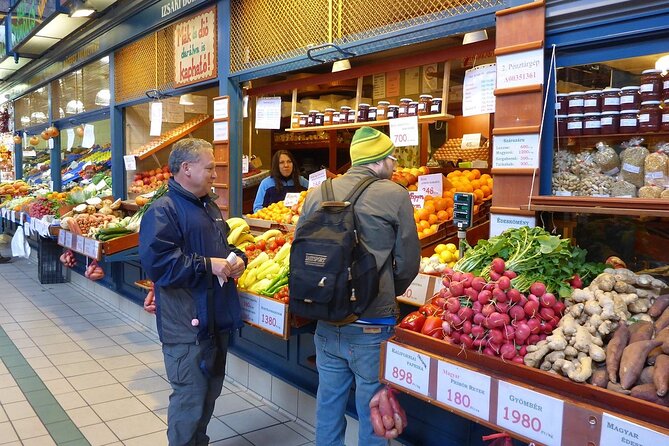
Bottled water and the food tasting are included. That matters because the menu includes salty, fried, and rich foods, and water helps keep the morning comfortable.
You can also take an optional shot of homemade palinka. Palinka is a strong fruit spirit, so treat it as a small tasting, not a casual drink. If you do not want alcohol, the tour does not require you to take it.
The two-hour duration is about right for the amount of food and explanation promised. You have enough time to ask questions without turning the visit into a half-day commitment. Some walks may run beyond two hours, but you should plan around the stated approximate duration rather than count on extra time.
The tour ends where it begins, at the Central Market Hall. No transportation is included, although the meeting point is near public transportation. You need to arrange your own way there and back.
Price, timing, and who gets the most from it
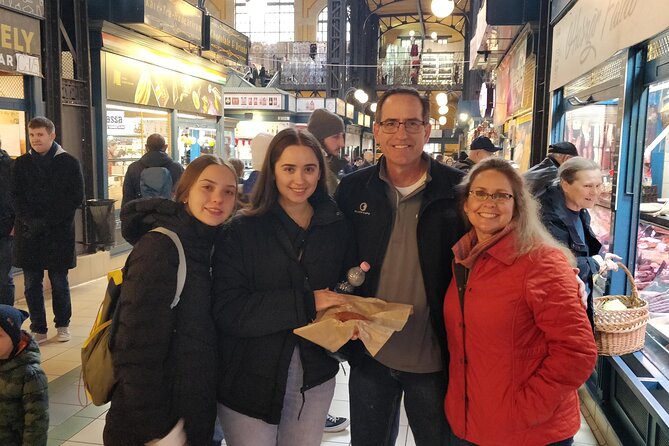
At $78.60 per person, this is not the cheapest way to taste Hungarian food. You could spend less by buying a langos or pastry independently, but that would not include a private former chef, guided explanations, historical context, or help with market shopping.
I see the price as reasonable for a couple or small group that wants a personal introduction to Hungarian food. It is less compelling for someone who already understands the market and simply wants to eat. The private format is the central value, not the raw amount of food.
The experience is a strong fit for:
- First-time visitors who want food context before ordering elsewhere
- Couples who prefer a private walk to a large group tour
- Curious eaters willing to try pork crackling, unusual pickles, and strong spirits
- Shoppers who want help with paprika and local gifts
- People who enjoy history and culture alongside food
- Families or friends with different interests, since the conversation can shift
It may not suit you if you need a full breakfast, dislike rich or unfamiliar foods, or want a broad Budapest sightseeing tour. The focus is one market and Hungarian food culture, not the city’s major monuments.
Confirmation arrives at booking, and free cancellation is available up to 24 hours before the start time. Service animals are allowed, and most people can participate. The experience is offered in English with a mobile ticket.
Should you book this market tour?
Book it if you want to understand what you are eating, not just collect a few bites. The strongest reasons are the private format, Andrew’s cooking background, the wide tasting list, and the practical shopping advice about paprika and souvenirs.
Skip it if your main goal is a low-cost snack crawl or a formal tour of Budapest’s major sights. At this price, you should value the conversation and flexibility.
I would place it early in a Budapest visit, ideally on a morning when you can use the advice afterward. Come hungry but not empty, wear comfortable shoes, and leave room for langos, sausages, pickles, pogacsa, strudel, chocolate sweets, and possibly palinka. That combination gives you a friendly, useful introduction to Hungarian food and the people who shop for it.
FAQ
Where does the Budapest Great Market Hall tour start?
It starts at the Central Market Hall in Budapest, Hungary, at 9:00 am.
Where does the tour finish?
The activity ends back at the Central Market Hall, the same place where it starts.
How long does the experience last?
The tour lasts approximately two hours.
Is the tour private?
Yes. Only your group participates in this private activity.
What food is included?
The tasting includes langos, a variety of cured sausages, pogacsa in cheese, potato, and pork crackling versions, pork crackling, assorted pickles, strudel, Turo Rudi, and Konyakmeggy. The available strudel filling can vary.
Are drinks included?
Bottled water is included. An optional shot of homemade palinka is also available.
Is transportation included?
No. Transportation to and from the Central Market Hall is not included.
What is the cancellation policy?
You can cancel up to 24 hours before the experience start time for a full refund. Cancellations or changes made less than 24 hours before the start time are not accepted for a refund.
More Shopping Tours in Budapest
- Easy Cooking Class Budapest – with Market Walk (local wine & pálinka included)
★ 5.0 · 62 reviews - Budapest Market Tour & Home Cooking Class with local Chef & Guide
★ 5.0 · 23 reviews - Budapest Christmas Market Tour with Basilica visit & Chimney cake
★ 5.0 · 18 reviews - Budapest Wonderland – A Christmas Market Tour with Chimney Cake & Mulled Wine
★ 5.0 · 15 reviews
More Markets in Budapest
- Budapest Cooking Class & Market Tour with Local Guide & Wines
★ 5.0 · 553 reviews - Budapest Food Tour: Market to Tavern with 14+ Tasters & Wines
★ 5.0 · 434 reviews - Hungarian Cooking and optional Local Market Tour
★ 4.5 · 98 reviews - Budapest: Hungarian Cooking Class and Market Walk
★ 5.0 · 91 reviews
Recently added around Budapest
- Hiking + Chairlift ride + viewpoints in Budapest★ 5.0 · 3 reviews
- FoolsCode: EscapeRoom/Sightseeing tour with Actor Tourguide★ 5.0 · 3 reviews
- Grand Budapest tour with private transportation★ 5.0 · 3 reviews
- Budapest: Private Customizable Tour in French★ 5.0 · 3 reviews
- Budapest: Private, Personalized Pub Crawl, 3 drinks included★ 4.5 · 3 reviews
- Budapest Drinks and Piano Show Cruise★ 4.5 · 3 reviews
- Discover Budapest Using Tram Two★ 5.0 · 3 reviews
- Budapest: Private 3-Hour Gödöllő Palace Tour★ 4.9 · 3 reviews
Food & Drink, compared.
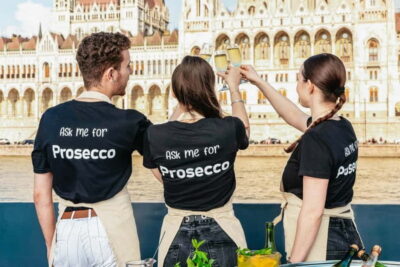
Unlimited Prosecco, Beer and Aperol Spritz Cruise
Read our review →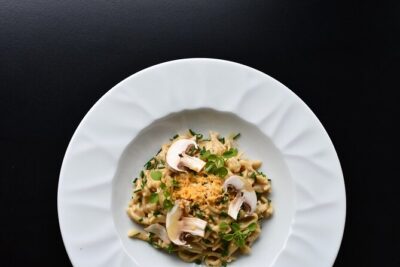
Unlimited Prosecco, Beer & Aperol Spritz Cruise
Read our review →Budapest Centre Food Tour with 10+ Tastings, Wine & Street Food
Read our review →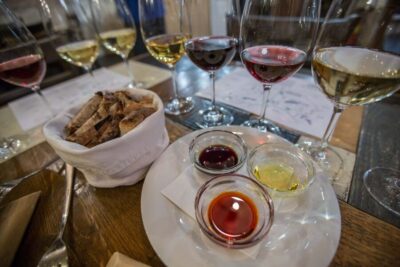
Hungarian Wine Tasting (with Cheese and Charcuterie) in Budapest
Read our review →
Guided Foodie Walking Tour with Food and Drinks
Read our review →
Budapest Food Tour: Market to Tavern with 14+ Tasters & Wines
Read our review →Browse the lists this tour appears in