
Reviewed · COOKING CLASSES
Hungarian Cooking Class with Iconic Dishes
Hungarian cooking becomes much more memorable when you make it yourself. In a cozy studio apartment near Budapest’s Jewish Quarter, Marti guides you through one classic dish while explaining the customs, family traditions, and everyday habits behind it. The class is limited to eight people, so this feels more like a shared kitchen table than a large tourist demonstration.
I like the hands-on cooking and the generous food and drink along the way. I also like the personal stories, including Marti’s connection to recipes from her husband’s grandmother and her background in Hungary’s wine country. The main consideration is time: 2.5 hours gives you a good taste of Hungarian cooking, but only one of the four dishes is prepared.
In This Review
- Key points to know
- Cooking Hungarian classics in a central Budapest studio
- Choosing between goulash, paprikash, cabbage, and crêpes
- From Hungarian bites to your main dish
- Marti’s stories add meaning to the recipes
- What the 2.5-hour schedule really gives you
- Dietary needs and dish selection
- Who will get the most from this class
- Practical value at $102 per person
- Should you book this Budapest cooking class?
- FAQ
- Where does the Hungarian cooking class begin?
- Where does the activity end?
- How long does the cooking class last?
- How many people can join the class?
- Which Hungarian dishes can I choose from?
- Are food and drinks included?
- Are ingredients and cooking equipment provided?
- Can dietary requirements be accommodated?
Key points to know
- Four traditional dishes: Choose goulash soup, chicken paprikash, stuffed cabbage, or Hortobágy-style savoury meat crêpes.
- Marti leads the class: Expect cooking guidance mixed with stories about Hungarian customs, Jewish life, family recipes, and wine.
- Small group setting: Up to eight people cook in a private studio in central Budapest.
- Food and drinks included: You receive a farmer’s plate, Hungarian bites, mineral water, homemade soft drinks, and wine.
- Useful take-home material: Recipes, kitchen tips, and practical tricks help you repeat the dish at home.
- Dietary requests are possible: Vegetarian, gluten-free, lactose-free, and nut-free needs can be discussed in advance.
Cooking Hungarian classics in a central Budapest studio
The meeting point is Flavors of Budapest at Király u. 77, in the 1077 postal district. This places you in central Budapest, close to the city’s old Jewish community area and its familiar mix of cafés, restaurants, bars, and historic streets.
The cooking takes place in a private studio apartment. That wording matters. It is a dedicated, stylish space for the class rather than a visit to the host’s personal home, so you get the relaxed feel of an apartment kitchen without the formality of a restaurant school.
You return to the same meeting point when the class ends. There is no sightseeing transfer or transport between cooking stops, which keeps the session focused. Plan to arrive ready to cook, eat, listen, and take part.
With a maximum of eight participants, you should have a reasonable chance to work directly with the ingredients and tools. This is still a group class, so you may not control every step, but it is far more personal than a large demonstration with a dozen or more people packed around a counter.
More cooking classes in Budapest:
- Budapest Cooking Class & Market Tour with Local Guide & Wines
★ 5.0 · 553 reviews - Premium Hungarian Home Cooking Experience with Chef Marti
★ 5.0 · 169 reviews - Hungarian Cooking and optional Local Market Tour
★ 4.5 · 98 reviews
Choosing between goulash, paprikash, cabbage, and crêpes
You choose one dish from four Hungarian standards. Each gives you a different look at the country’s food culture.
Goulash soup is the obvious choice if you want Hungary’s best-known culinary symbol. The class version uses beef and celery, and the soup format makes it different from the thicker stews often served under the same name outside Hungary. You should choose this if you want to learn how paprika, meat, vegetables, and slow cooking work together in a bowl that feels both hearty and practical.
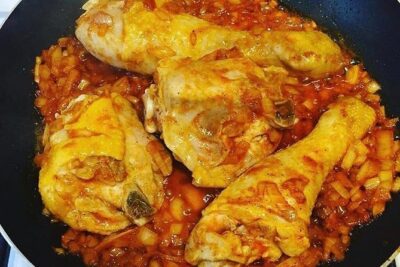
Chicken paprikash with small dumplings offers a gentler introduction to Hungarian home cooking. The dish includes dairy, egg, and flour, and the dumplings give you something active to prepare rather than simply waiting for a sauce to cook. This is a good choice if you like creamy, paprika-based food and want a meal that is easy to picture making for friends at home.
Stuffed cabbage is the most ambitious option of the four. It includes pork, dairy, and egg, and it connects naturally to the kind of family cooking that takes patience and careful preparation. Choose it if you want a dish with a stronger connection to traditional household meals, but remember that stuffed cabbage can be more involved than a simple soup or skillet dish.
Hortobágy-style savoury meat crêpes combine dairy, egg, and flour with a meat filling. This choice gives you a less familiar Hungarian dish and adds a different texture and technique to the class. It may suit you best if you already know goulash and paprikash and want to try something that is less likely to appear on every Hungarian menu.
Your choice shapes the practical side of the class. Since the experience covers only one main dish, pick based on what you genuinely want to cook again, not simply the name that sounds most famous.
From Hungarian bites to your main dish
The session includes Hungarian bites during the cooking, along with a farmer’s plate. These small tastes give you something to eat while the main dish comes together and help make the class feel like a full food experience rather than a lesson followed by one plate at the end.
Drinks include mineral water, which may be still or sparkling, two kinds of homemade soft drinks, and white and/or red wine. The homemade drinks are a useful touch because they add a taste of everyday hospitality without making the event depend on alcohol.
The wine also has a personal connection to Marti. She grew up in a Hungarian wine region and brings that background into the meal. You should not expect a formal wine course, but you can expect the wine to be treated as part of the food and conversation rather than an afterthought.
Because the class includes drinks and a meal, the $102 price per person is easier to assess as a combined experience. You are not paying only for an hour of instruction. The fee also covers ingredients, equipment, snacks, drinks, the studio setting, cultural conversation, and recipes. It is not the cheapest way to eat Hungarian food in Budapest, but it offers more value if you want participation and skills instead of a restaurant meal alone.
Marti’s stories add meaning to the recipes
Marti’s teaching style is a major part of the experience. Her cooking stories draw on family recipes, including material from her husband’s grandmother’s books. The grandmother is still alive and continues to teach her, which gives the recipes a living family link rather than presenting them as anonymous national dishes.
The conversation also reaches beyond food. Marti talks about Hungarian customs, culture, history, and Jewish life. The useful distinction is that these subjects come through personal experience and family connections, not as a memorized lecture. If you enjoy understanding how food fits into daily life, this is where the class gains much of its character.
I would choose this activity over a purely technical cooking school if you want context with your meal. You learn what goes into the pot, but you also hear why certain dishes matter and how traditions are carried from one generation to the next.
The tradeoff is that personal storytelling takes time. If your only goal is to master several recipes as quickly as possible, this class may feel leisurely. If you like food conversations and informal cultural exchange, the pace should work in your favor.
A few more Budapest tours worth comparing
- Budapest: Hungarian Chimney Cake Workshop in the City Center
★ 4.8 · 885 reviews - Chimney Cake Workshop Budapest Downtown – Kürtőskalács Class
★ 5.0 · 220 reviews - Budapest: Essentials of Hungarian Wine Tasting Class
★ 4.9 · 174 reviews - Budapest: Hungarian Cooking Class and Market Walk
★ 5.0 · 91 reviews
What the 2.5-hour schedule really gives you
Two and a half hours is long enough for a proper cooking session, tasting, and meal, while still fitting neatly into a Budapest sightseeing day. You can schedule it around other plans, though you should avoid placing a rushed museum visit or train departure immediately afterward.
The experience is not a market tour, restaurant crawl, or walking history lesson. You stay in the studio and focus on one meal. That narrow focus is useful because you can spend more time learning the preparation rather than losing part of the session to transport.
Expect a general flow like this:
- You meet at the central studio and settle in with Hungarian bites and drinks.
- Marti introduces the selected dish, its ingredients, and its place in Hungarian cooking.
- You take part in the preparation with the provided tools and equipment.
- Cooking tips, practical tricks, and cultural stories continue as the dish comes together.
- You eat the finished dish, with drinks and additional conversation.
- You leave with recipes and kitchen advice for making it again.
The exact order may vary by dish and group. A soup, stuffed cabbage, and crêpes do not all have the same cooking rhythm, so the class naturally adjusts to what you choose.
Dietary needs and dish selection
Dietary needs should not stop you from considering the class, but you need to raise them before attending. Vegetarian, gluten-free, lactose-free, and nut-allergy requests can be discussed with the provider.
That does not mean every dish can be changed in every way. Each listed choice contains different ingredients and potential allergens. Chicken paprikash includes dairy, egg, and flour. Stuffed cabbage includes pork, dairy, and egg. Hortobágy-style crêpes include dairy, egg, and flour. Goulash soup is listed with beef and celery.
Ask clearly when booking and confirm what can be prepared for you. This is especially important if your needs involve cross-contact or strict avoidance rather than a simple preference.
If you have no restrictions, choosing the dish is part of the fun. If you are cooking for a family member later, pay attention to the substitutions and techniques Marti suggests. The practical kitchen advice may be just as useful as the recipe itself.
Who will get the most from this class
I would recommend this experience to you if food is one of the main ways you connect with a place. It works especially well for couples, friends, solo visitors who enjoy small groups, and families with older children who can take part in kitchen tasks.
It also suits anyone who dislikes polished, commercial group entertainment. The setting is designed to feel personal and quiet, and the focus stays on food, conversation, and Hungarian life.
You may want a different activity if you prefer a fast class with several dishes, a professional restaurant kitchen, or a broad tour of Budapest’s food markets. You also need to be comfortable spending most of 2.5 hours indoors and sharing the class with up to seven other participants.
The class is less about becoming a chef than gaining confidence with a few Hungarian methods. You learn how paprika-based sauces work, how a traditional dish is assembled, and how to carry those ideas back to your own kitchen.
Practical value at $102 per person
At $102, this is a mid-to-high priced food activity for Budapest, so the value depends on what you want included. If you only want to eat goulash, you can find a less expensive restaurant meal. If you want instruction, drinks, snacks, a full dish, cultural stories, and recipes, the price is easier to justify.
The small group limit is important. Eight people is enough for social energy but small enough to support direct participation. A larger class might cost less, but you could spend more time watching someone else cook.
The price includes all ingredients, cooking tools, and equipment, so you do not need to shop or bring supplies. It also includes the farmer’s plate, homemade soft drinks, mineral water, and wine. Those extras make the class feel like a hosted meal rather than a bare-bones lesson.
Free cancellation is available up to 24 hours before the experience for a full refund. You can also reserve now and pay later, which helps if you are still arranging your Budapest schedule. Starting times vary, so check availability before building the rest of your day around it.
Should you book this Budapest cooking class?
Book it if you want a warm, personal introduction to Hungarian food and like the idea of learning one dish well enough to make it at home. Marti’s family connections, wine background, stories about Hungarian and Jewish customs, and relaxed hosting give the class more substance than a simple recipe demonstration.
Choose your dish carefully, tell the provider about dietary needs in advance, and allow the full 2.5 hours without rushing. At $102, it is best viewed as a meal, cooking lesson, and cultural conversation in one package.
Skip it if your priority is a low-cost dinner, a large menu, or a class that covers several recipes. For everyone else, especially visitors who want a useful souvenir rather than another object in a suitcase, this is a practical and enjoyable way to take Hungary home with you.
FAQ
Where does the Hungarian cooking class begin?
It begins at Flavors of Budapest, Király u. 77, 1077 Hungary, in central Budapest.
Where does the activity end?
The activity ends back at the meeting point.
How long does the cooking class last?
The class lasts 2.5 hours. Starting times vary, so check availability when booking.
How many people can join the class?
It is a small-group activity limited to eight participants.
Which Hungarian dishes can I choose from?
You can choose goulash soup, chicken paprikash with small dumplings, stuffed cabbage, or Hortobágy-style savoury meat crêpes.
Are food and drinks included?
Yes. The experience includes one selected dish, a farmer’s plate, Hungarian bites, mineral water, two types of homemade soft drinks, and white and/or red wine.
Are ingredients and cooking equipment provided?
Yes. All ingredients, kitchen tools, and equipment are provided.
Can dietary requirements be accommodated?
Vegetarian, gluten-free, lactose-free, and nut-allergy requests can be discussed. Contact the provider in advance so your needs can be addressed.
Recently added around Budapest
- Hiking + Chairlift ride + viewpoints in Budapest★ 5.0 · 3 reviews
- FoolsCode: EscapeRoom/Sightseeing tour with Actor Tourguide★ 5.0 · 3 reviews
- Grand Budapest tour with private transportation★ 5.0 · 3 reviews
- Budapest: Private Customizable Tour in French★ 5.0 · 3 reviews
- Budapest: Private, Personalized Pub Crawl, 3 drinks included★ 4.5 · 3 reviews
- Budapest Drinks and Piano Show Cruise★ 4.5 · 3 reviews
- Discover Budapest Using Tram Two★ 5.0 · 3 reviews
- Budapest: Private 3-Hour Gödöllő Palace Tour★ 4.9 · 3 reviews
Cooking Classes, compared.
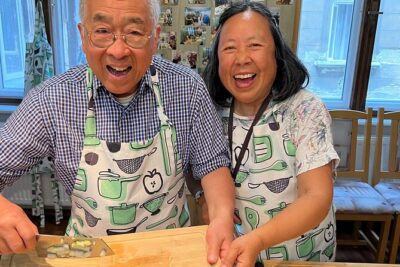
Budapest Cooking Class & Market Tour with Local Guide & Wines
Read our review →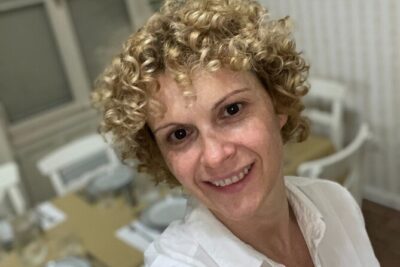
Premium Hungarian Home Cooking Experience with Chef Marti
Read our review →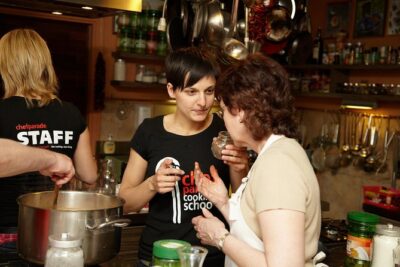
Hungarian Cooking and optional Local Market Tour
Read our review →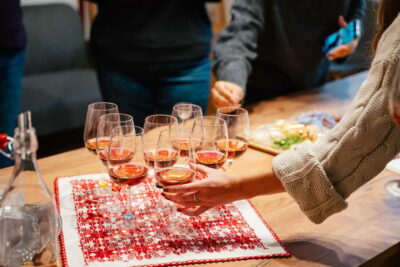
Easy Cooking Class Budapest – with Market Walk (local wine & pálinka included)
Read our review →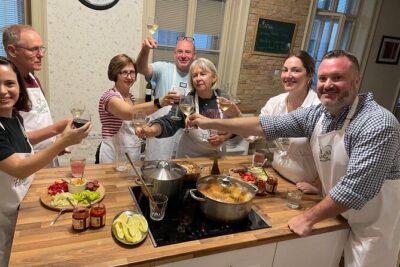
Budapest Market Tour & Home Cooking Class with local Chef & Guide
Read our review →
Browse the lists this tour appears in