
Reviewed · JEWISH HERITAGE TOURS
Budapest Old Jewish Quarter History Private Walking Tour
Budapest’s Old Jewish Quarter holds some of the city’s most striking contrasts: grand synagogues beside ordinary apartment blocks, a lively market square near a memorial to the Holocaust, and old Jewish traditions alongside today’s cafés and shops. This private two-hour walk gives you a clear route through that layered past without asking you to plan every stop yourself.
I like the access to a private guide, since the history of this district can be hard to read from the streets alone. I also like the focus on three important synagogues and the Ghetto Memorial Wall. The main drawback is that entry to the synagogues is not included, so this is primarily an outside tour with historical explanation rather than a full synagogue visit.
In This Review
- Key Points
- Starting Near the Sissi Statue
- Why Budapest’s Jewish Quarter Needs a Guide
- Rumbach Street Synagogue and Moorish Design
- Dohány Street Synagogue, Budapest’s Best-Known Landmark
- Theodor Herzl and Budapest’s Jewish Heritage
- Kazinczy Street Synagogue and Living Jewish Culture
- The Ghetto Memorial Wall and the Hardest Stop
- Klauzál tér and the Everyday Quarter
- Finishing at Klauzál Market Hall
- What the €150 Price Really Buys
- Who Will Get the Most From This Walk
- Should You Book the Budapest Old Jewish Quarter Tour?
- FAQ
- How long is the Budapest Old Jewish Quarter tour?
- Where does the tour start?
- Which synagogues are included in the route?
- Is admission to the Ghetto Memorial Wall included?
- What languages are available?
- Is this a private tour?
Key Points
- Three synagogues in one walk: See the Dohány Street, Rumbach Street, and Kazinczy Street synagogues, each with a different architectural and cultural role.
- A serious Holocaust stop: Visit the last remaining section of the Ghetto Memorial Wall, with optional entry costing €2 per person.
- A private format: Your guide can adjust the pace and focus for your group, with tours available in English, German, French, Italian, or Spanish.
- History across centuries: The tour connects Roman-era Budapest, the Black Death, Jewish life in the city, Theodor Herzl, and the Holocaust.
- A useful finish: End at Klauzál Market Hall, where present-day food and daily life offer a change of tone after the memorial sites.
- Moderate walking: Expect 2.5 to 3.5 kilometers, some uneven surfaces, and possible steps over two hours.
Starting Near the Sissi Statue

The meeting point is next to the Sissi Statue at Madách Imre tér 7, in central Budapest’s District VII. This is a practical place to begin because the Old Jewish Quarter is close by, and the tour finishes at the same meeting point.
Your guide will meet you there and lead the walk on foot. Hotel or accommodation pickup is available within 1.5 kilometers of the meeting point, although the exact itinerary may change if you use that option.
I would arrive a little early. The operator asks you to check your email the day before for important tour information, and that message may confirm the final arrangements with your guide. Guides named in the supplied tour feedback include Ange and Natalia, though your assigned guide can vary.
The route covers about 2.5 to 3.5 kilometers. That is not a difficult distance for most people, but two hours on Budapest pavements can feel different from a flat stroll in a park. Wear shoes you can walk in comfortably, and dress for the weather. The tour runs in rain or shine.
More of Jewish Budapest:
- Budapest Jewish Heritage Memorial Walking Tour & Synagogue Entry
★ 5.0 · 568 reviews - Budapest: Jewish Heritage Guided Tour with Synagogue Ticket
★ 4.8 · 533 reviews - Budapest walking tour: Parliament and Shoes Memorial
★ 5.0 · 387 reviews
Why Budapest’s Jewish Quarter Needs a Guide
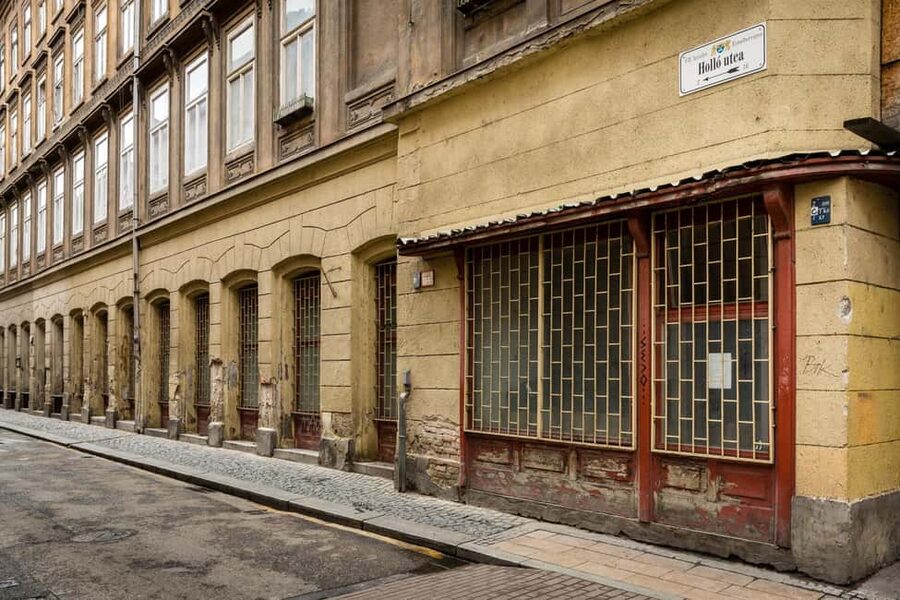
The Old Jewish Quarter is not a single museum or preserved historic village. It is a working city district. You will see streets used for daily errands, apartment buildings, restaurants, and market life alongside places tied to centuries of Jewish experience.
That mixture is precisely why a guide helps. Without context, the synagogues can look like impressive buildings scattered through central Budapest. With the right explanation, their locations, styles, and changing roles begin to make sense.
The tour covers Jewish history from Roman times through the Black Death, the Holocaust, and the present day. That is a great deal for two hours, so expect a broad introduction rather than a specialist seminar on every period.
The private format gives you room to ask questions. If you are most interested in architecture, wartime history, religious life, or Theodor Herzl, tell your guide early. The tour is designed for a private group of one to 25 people per guide, and the pace can be adjusted to suit your party.
Rumbach Street Synagogue and Moorish Design
One of the first major sights is the Rumbach Street Synagogue, known for its delicate Moorish architecture. Its style gives the tour an immediate visual hook. Budapest’s Jewish buildings do not all look alike, and this synagogue helps show the variety within the city’s Jewish architectural tradition.
The exterior visit is useful even if you do not enter. Your guide can point out the building’s design and explain its place in the Jewish Triangle, the group of three important synagogues visited on the walk.
The limitation is clear: admission to the synagogues is not included. Restricted access also means the route does not promise an interior visit. If seeing the inside of the Rumbach Street Synagogue is essential to you, treat this tour as a neighborhood and history walk, then check separately whether synagogue admission is available during your Budapest stay.
This is a good early stop because it introduces a central idea of the tour: the Jewish Quarter is not defined by one building. Its story comes through several places, each with a different appearance and role.
Dohány Street Synagogue, Budapest’s Best-Known Landmark
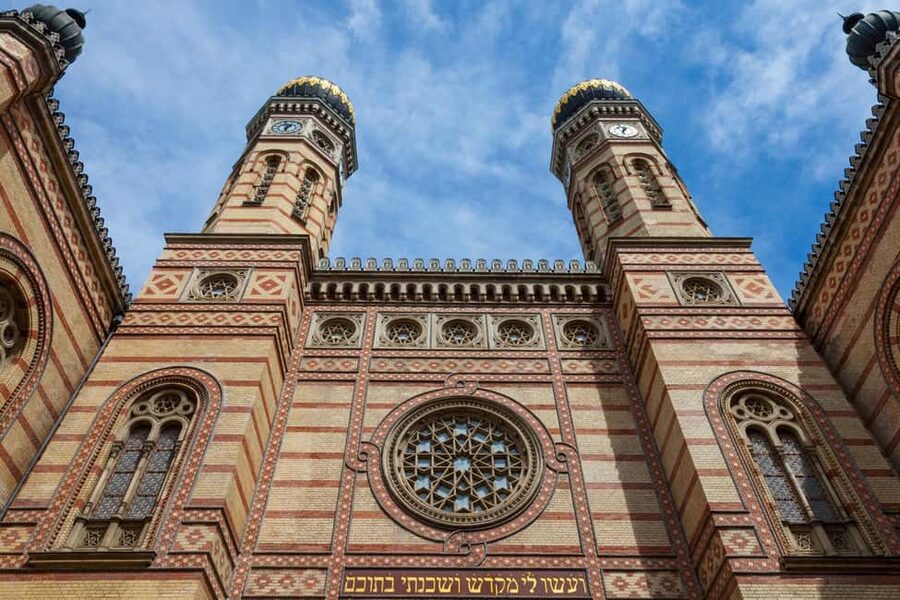
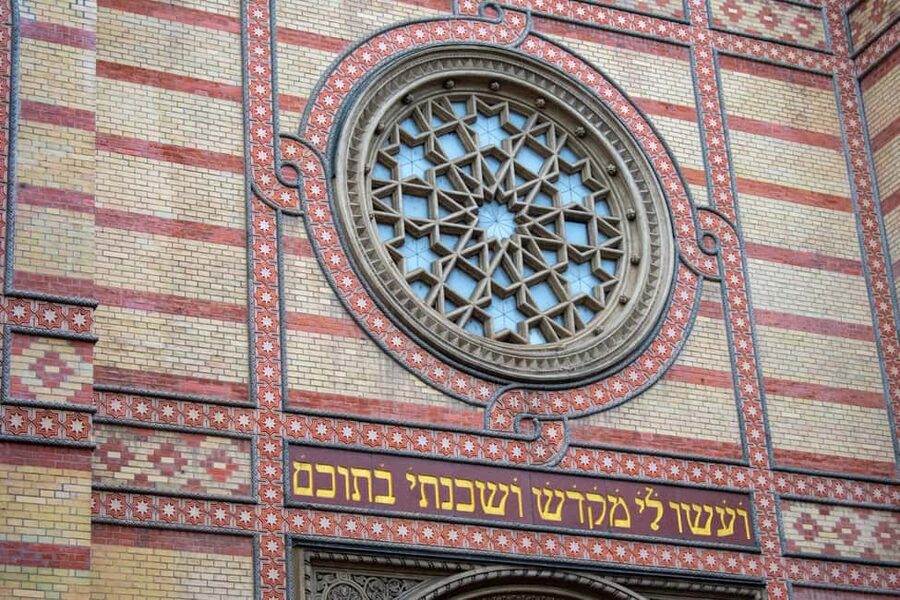
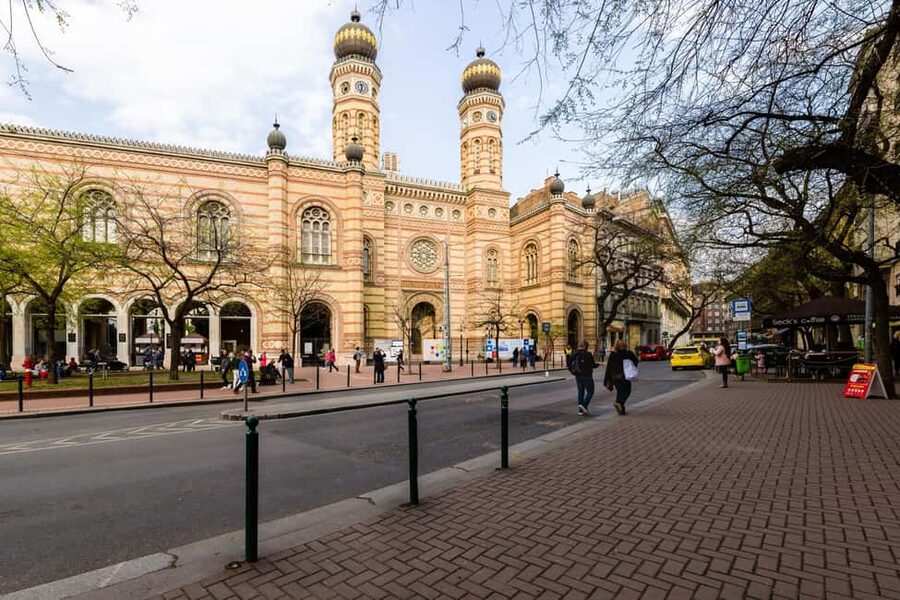
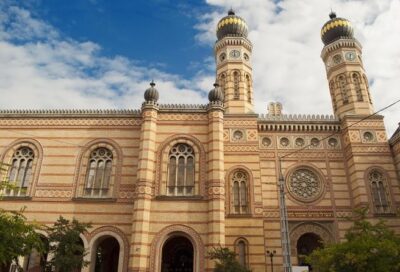
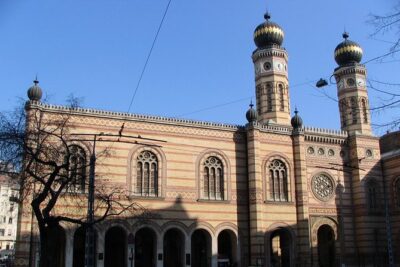
The Dohány Street Synagogue is the most recognizable stop on the route. Its tall spires and grand scale make it difficult to miss, and it is often the building most associated with Budapest’s Jewish heritage.
Seeing it as part of a walking route is more useful than simply taking a quick photograph. Your guide places the synagogue within the wider story of Jewish Budapest, then connects it to the other two synagogues on the tour.
Again, the experience does not include synagogue entry. That matters when you compare the €150 per person price with a guided interior visit elsewhere. You are paying for a private guide, historical interpretation, and a route through the quarter, not for a ticketed synagogue tour.
At €150 per person, the price is high for two hours if you are traveling alone or as a couple on a tight budget. It makes more sense for a small private group that values a personal route and the chance to shape the discussion. The guide speaks your chosen language, and that can be a real benefit when the subject includes religious terms, wartime events, and political history.
More history walks in Budapest:
- Budapest: Historic Cruise with Welcome Drink
★ 4.7 · 6,512 reviews - Budapest Historical Sightseeing – Free Walking Tour
★ 5.0 · 1,302 reviews - Buda Castle District Dark History, Legends and Vampire Night Tour
★ 4.5 · 1,240 reviews - BloodThirsty Hungary: Walking tour & Dark Historical Stories
★ 4.9 · 633 reviews
Theodor Herzl and Budapest’s Jewish Heritage
The walk also introduces Theodor Herzl, described here as the spiritual founder of Israel, along with other Jewish people who shaped Budapest’s heritage. This adds a personal and political dimension to the tour.
You are not only looking at buildings. You are learning how people and communities affected the city around them. That can make the quarter easier to understand, especially if you know little about Budapest’s Jewish past before arriving.
The guide’s role is especially important in this part of the walk. Names and dates can quickly become a blur when delivered without a connection to the streets around you. Ask questions if one person or period catches your attention, since a private tour can spend more time on your interests than a large scheduled group usually can.
The tour also touches on the Black Death and earlier periods. The purpose is to show that Jewish history in Budapest did not begin in the 20th century. It reaches back through many centuries of settlement, hardship, faith, and civic life.
Kazinczy Street Synagogue and Living Jewish Culture
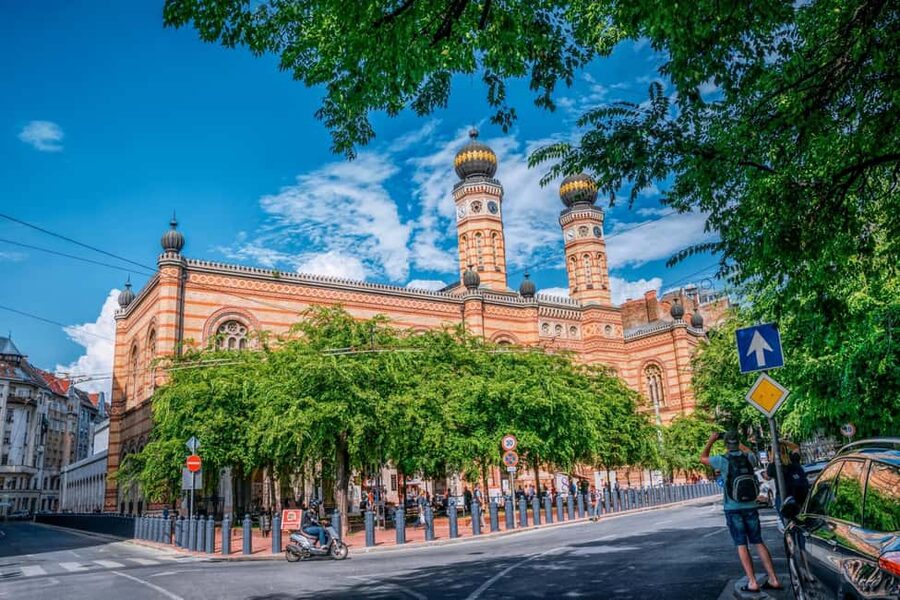
The Kazinczy Street Synagogue offers another view of Jewish life in the district. The tour presents it as a place where you can glimpse Jewish culture that continues today, rather than treating the quarter only as a memorial to the past.
That balance matters. A walk focused only on the Holocaust would leave you with an incomplete picture, while a route focused only on architecture could miss the human story. Kazinczy Street helps connect historical Jewish life with the present.
You should still keep your expectations realistic. The two-hour format provides an introduction, not an extended cultural program, and synagogue entry is not part of the included price. The value here is the guide’s explanation and the way the stop fits into the larger route.
For many people, this will be one of the most useful parts of the walk because it prevents the Old Jewish Quarter from feeling like a collection of empty monuments. The area remains part of Budapest’s daily life.
The Ghetto Memorial Wall and the Hardest Stop
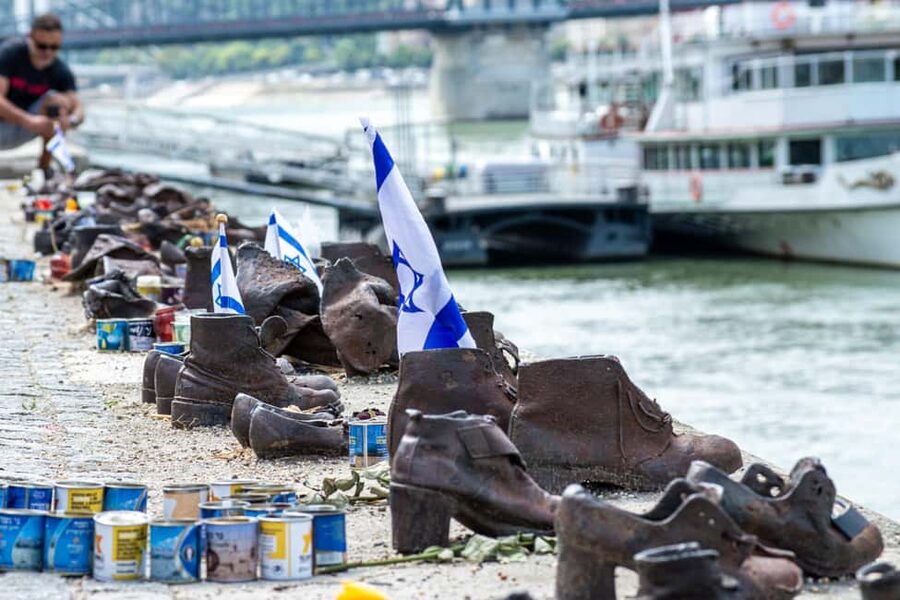
The Ghetto Memorial Wall is the most solemn part of the tour. It marks the last remaining section of the former ghetto wall and recalls the suffering of Budapest’s Jewish population during World War II and the Holocaust.
The stop is intentionally different from the synagogue visits. Instead of looking up at architecture, you pause at a physical remnant tied to confinement, loss, and the destruction of a community. The guide’s historical explanation can help you understand why this small surviving section carries such weight.
Entry to the memorial area is optional and costs €2 per person. The supplied details list this visit among the tour inclusions, but also clearly state that admission is optional and the €2 fee is not included in the tour price. Plan to pay separately if you want to enter.
This is not a light sightseeing stop, and you may prefer to know that in advance. The route moves from architecture and broad history into a direct reminder of the Holocaust. I would not schedule a rushed attraction immediately afterward. Give yourself a little quiet time once the tour ends.
Klauzál tér and the Everyday Quarter
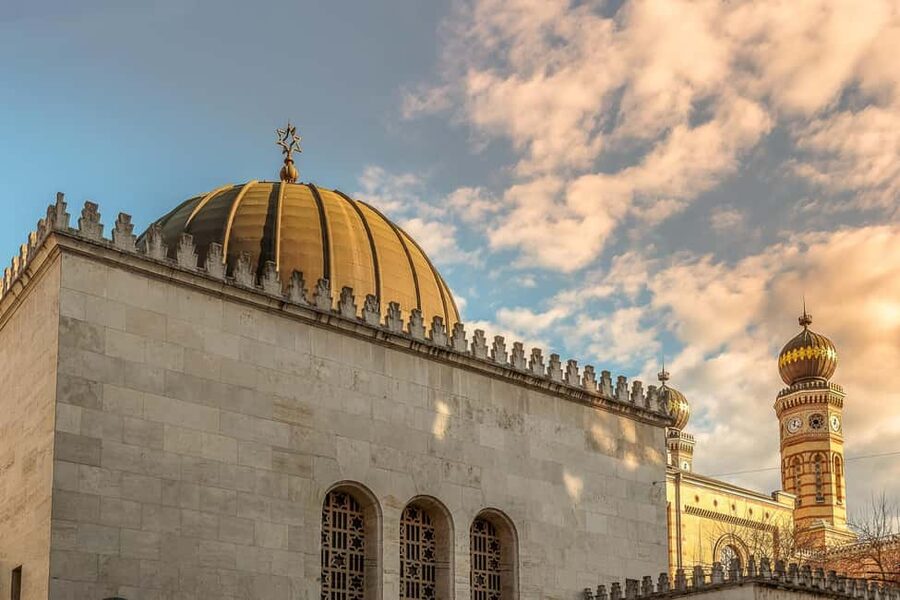
Klauzál tér brings the walk back into ordinary city life. The square is lively, and it helps show how the Old Jewish Quarter functions today, beyond its memorials and religious buildings.
That change of tone is valuable. History is not locked away in a museum here. It shares space with residents, local businesses, and the simple movement of a central Budapest neighborhood.
Your guide can point out how the square fits into the quarter’s layout and changing character. Because the tour is private, you can ask about the surrounding streets, present-day life, or the difference between the historic district and the wider city.
The square may also be a good place to pause briefly, depending on the group’s pace and the guide’s exact route. Do not expect a long rest stop or a meal, since food and drinks are not included and the walking tour remains the main activity.
Finishing at Klauzál Market Hall
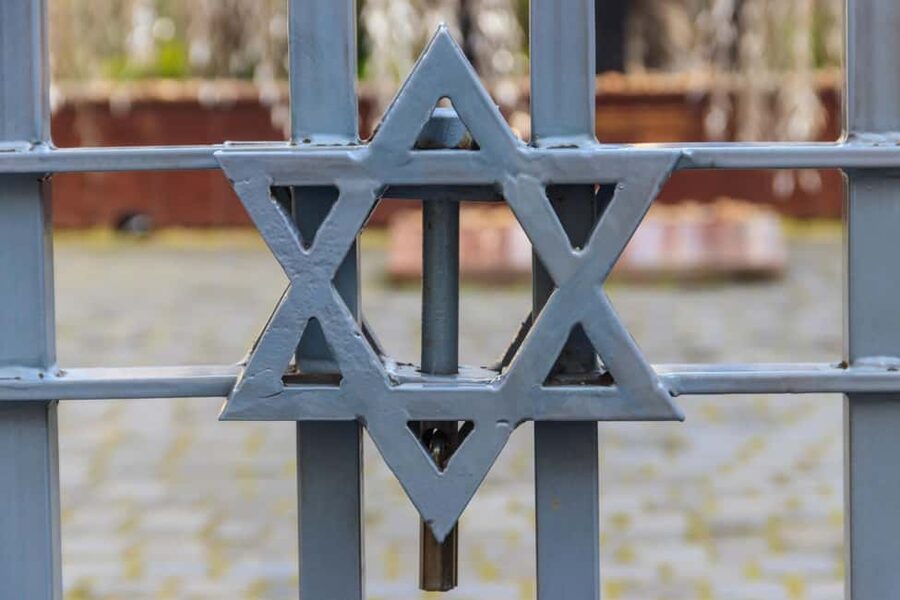
The final stop is Klauzál Market Hall. It is a fitting place to end because it brings food, shopping, and daily routines into a tour that has dealt with centuries of upheaval.
You will not receive food or drinks as part of the experience, but the market hall gives you a chance to continue exploring on your own after the guide says goodbye. Ask your guide for recommendations on what to do next in Budapest, since recommendations are included as part of the service.
Ending at a market hall also makes the tour feel practical. You finish with an obvious next step: look around, find something to eat separately, or continue on foot through District VII.
The activity ends back at the original meeting point. That is helpful if you have another booking afterward, although I would allow extra time rather than cutting your schedule close. Walking pace, questions, weather, and street conditions can all affect the timing.
What the €150 Price Really Buys
The listed price is $150 per person. For a two-hour walking tour, that is a premium rate, particularly because synagogue admission, food, drinks, and the €2 memorial entry are not included.
The price becomes easier to justify if you are traveling with a small private group and want personal attention. You are paying for a licensed 5-Star guide, a private route, language choice, and the ability to ask questions without competing with a large crowd.
It is less compelling if your main goal is to enter the Dohány, Rumbach, or Kazinczy synagogues. In that case, compare it with an option that specifically includes interior admissions. This tour is strongest as a guided history walk through the quarter, with outside views of the main synagogues and an optional memorial visit.
The small-group promise allows up to 25 people per guide, so private does not always mean one guide for one couple. If your party is larger than 25, additional guides can be booked. Ask about the expected group size if that affects your decision.
Who Will Get the Most From This Walk
I would choose this tour if you want a structured introduction to Jewish Budapest and prefer to ask questions as you go. It suits first-time visitors, history-focused travelers, families with older children, and anyone who wants a guide in English, German, French, Italian, or Spanish.
It is also useful if you have only a short time in Budapest. Two hours gives you a focused look at the Old Jewish Quarter without taking up a full morning or afternoon.
You may want another option if you need a fully accessible route, though the operator says it will accommodate people with disabilities whenever possible. The route includes uneven surfaces and some steps, so contact the operator before booking with specific mobility needs.
I would also think carefully about the subject matter if you are traveling with young children. The tour includes the Black Death and Holocaust, and the Ghetto Memorial Wall can be emotionally difficult. The guide can adapt the pace, but the historical focus remains serious.
Cancellation is flexible: you can cancel up to 24 hours ahead for a full refund. Reserve now and pay later is also available, which helps if your Budapest schedule is still taking shape.
Should You Book the Budapest Old Jewish Quarter Tour?
Book it if you want a private, guide-led introduction to one of Budapest’s most historically important districts, especially if your group has shared interests or needs a particular language. The strongest parts are the three-synagogue route, the direct visit to the Ghetto Memorial Wall, and the chance to connect the past with present-day life around Klauzál tér and the market hall.
Think twice if you are seeking synagogue interiors or a low-cost walk. Those admissions are not included, and the price is much easier to defend for a small private group than for one person.
The strongest praise centers on the guides’ expertise, kindness, flexibility, and personal approach. That is exactly where this experience earns its keep. If you want a human guide to shape the story around your interests, book it. If you mainly want photographs and entry tickets, choose a tour built around those features instead.
FAQ
How long is the Budapest Old Jewish Quarter tour?
The walking tour lasts two hours. The route covers approximately 2.5 to 3.5 kilometers.
Where does the tour start?
Meet your guide next to the Sissi Statue at Madách Imre tér 7, 1075 Budapest. The tour ends back at the same meeting point.
Which synagogues are included in the route?
The route includes the Dohány Street Synagogue, Rumbach Street Synagogue, and Kazinczy Street Synagogue. Entry to the synagogues is not included.
Is admission to the Ghetto Memorial Wall included?
The Ghetto Memorial Wall visit is optional. Entry costs €2 per person and is paid separately.
What languages are available?
Live guiding is available in English, German, French, Italian, and Spanish.
Is this a private tour?
Yes. The tour is offered for a private group of one to 25 people per guide. Larger groups can arrange additional guides.
More Walking Tours in Budapest
- Budapest: Buda Castle Walk with Saint Stephen’s Hall
★ 4.5 · 3,012 reviews - Big Bus Budapest Hop-On Hop-Off Bus and Walking Tour
★ 3.5 · 2,206 reviews - Budapest: Buda Castle District Walking Tour
★ 4.6 · 2,108 reviews - Budapest City Landmarks Walking Tour in 2 Hours
★ 5.0 · 2,048 reviews
Recently added around Budapest
- Hiking + Chairlift ride + viewpoints in Budapest★ 5.0 · 3 reviews
- FoolsCode: EscapeRoom/Sightseeing tour with Actor Tourguide★ 5.0 · 3 reviews
- Grand Budapest tour with private transportation★ 5.0 · 3 reviews
- Budapest: Private Customizable Tour in French★ 5.0 · 3 reviews
- Budapest: Private, Personalized Pub Crawl, 3 drinks included★ 4.5 · 3 reviews
- Budapest Drinks and Piano Show Cruise★ 4.5 · 3 reviews
- Discover Budapest Using Tram Two★ 5.0 · 3 reviews
- Budapest: Private 3-Hour Gödöllő Palace Tour★ 4.9 · 3 reviews
Jewish Heritage Tours, compared.
Budapest Jewish Heritage Memorial Walking Tour & Synagogue Entry
Read our review →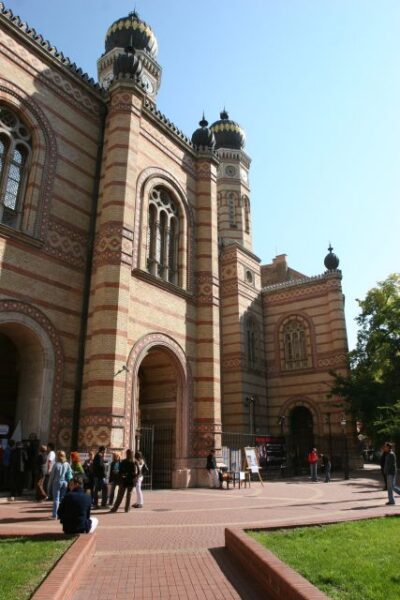
Jewish Heritage Guided Tour with Synagogue Ticket
Read our review →

Budapest Dohany Synagogue & Hungarian Jewish Museum & free extras
Read our review →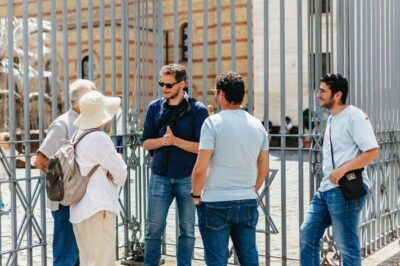
Jewish History Guided Walking Tour with Historian
Read our review →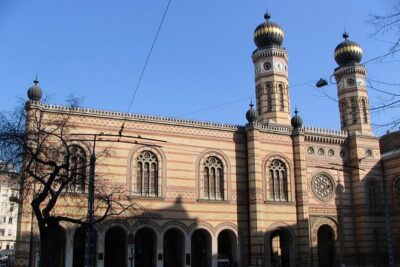
Budapest Dohany, Heroes’, Rumbach synagogues & Jewish Ghetto Tour
Read our review →
Browse the lists this tour appears in