
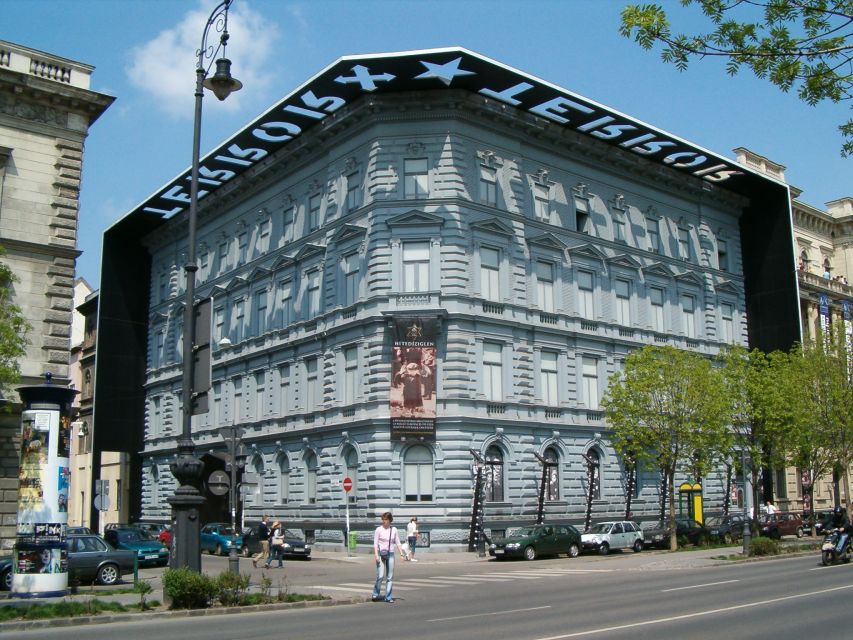
Reviewed · COMMUNIST-ERA HISTORY TOURS
Life Under Communism with House of Terror or Statue Park
Budapest’s communist past becomes most understandable when it moves beyond dates and leaders and into the small details of daily life. This private three-hour experience begins with a lecture and conversation at Bambi Eszpresszó, an old meeting place linked with the 1980s, then uses the city itself to explain how the system affected ordinary people.
I like the personal format and the chance to ask honest questions instead of listening to a fixed speech. I also like the hotel pickup and shared ride to the first stop, since one past participant found that using public transportation revealed parts of Budapest that are easy to miss. The main consideration is that this is an active, walking-based experience and is not suitable for people with mobility impairments.
In This Review
- Key points
- Starting at Bambi Eszpresszó in 1980s Budapest
- A private lesson about how communism worked
- Everyday life from the 1960s to the late 1980s
- Choosing between the House of Terror and Statue Park
- Riding Budapest’s public transportation with your guide
- Why the private group format matters
- What the three hours feel like
- Who will get the most from this experience
- Is the $282 price fair?
- Should you book Life Under Communism?
- FAQ
- How long does the Life Under Communism tour last?
- How much does the tour cost?
- Is this a private tour?
- Where does the tour begin?
- Are hotel pickups included?
- Which languages are available?
- Are food and drinks included?
- Are transportation costs included?
- Is the House of Terror or Statue Park included?
- Is the tour suitable for people with mobility impairments?
Key points
- Bambi Eszpresszó sets the tone: Begin at a symbolic 1980s meeting place rather than in a formal museum.
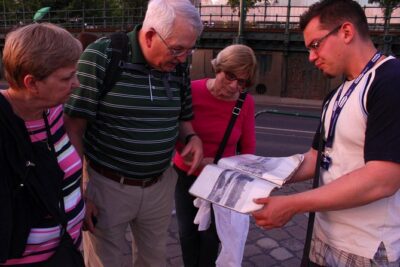
- Annamaria and Miklos lead the program: The guides use personal discussion, printed materials, notebooks, and pens to keep the session interactive.
- Everyday life takes center stage: Learn how communism affected shopping, work, public services, social life, and personal choices.
- The route can respond to your interests: The program may focus on the House of Terror or Statue Park, with time for questions and discussion.
- Public transportation can be part of the lesson: You may ride with the guide and see parts of Budapest outside the usual sightseeing circuit.
- A private group changes the experience: The $282 price covers up to five people, making the cost easier to justify for a small family or group.
Starting at Bambi Eszpresszó in 1980s Budapest
Bambi Eszpresszó is more than a place to meet. It gives the tour a physical starting point tied to the Budapest of the 1980s, when cafés and public meeting places carried a different social meaning than they do today.
You begin here with an interactive presentation about communist Hungary from the 1960s through the late 1980s. This opening matters because the tour is not designed as a simple list of political events. It aims to show how a large political system reached into ordinary routines and personal decisions.
I appreciate that the experience starts with discussion before moving into the city. You get a basic framework first, then have a better chance of understanding what you see later. The printed materials, notebook, and pen also give you something practical to use while following the presentation and recording questions.
The coffeehouse setting should feel less formal than a museum lecture. Food and drinks are not included, so you should not book this expecting a café meal or tasting. The important part of Bambi Eszpresszó is its connection to the period and its role as a meeting point.
More on Budapest under communism:
- Budapest: Communist History Tour with House of Terror Option
★ 4.8 · 182 reviews - Communism in Hungary with a Historian
★ 5.0 · 70 reviews - Budapest: 3-Hour Walking Tour About Communism (Small Group)
★ 4.7 · 70 reviews
A private lesson about how communism worked
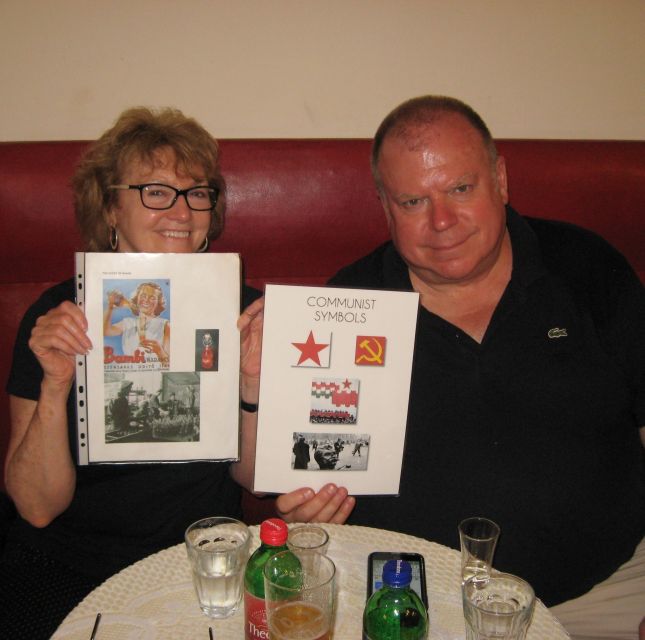
The opening presentation covers how the communist system operated on several levels. The supplied details do not promise a fixed list of political topics, so the exact emphasis can change with your questions and the interests of your group.
That flexibility is one of the strongest reasons to consider this tour. A visitor who already knows the basics of Hungarian history can ask for more detail about daily life or the system’s long-term effects. Someone approaching the subject for the first time can ask for a simpler explanation and pause when a term or event is unfamiliar.
The guides, Annamaria and Miklos, are presented as the people conducting the program. The experience is available in English, German, or French. Past bookings describe the guide as adaptable, clear, and willing to shape the route around the group’s interests and level of knowledge.
I would use the first part to ask practical questions. What could people buy easily? What was difficult to obtain? How did official rules affect work and private life? What changed from the 1960s to the 1980s? Questions like these help turn a broad political subject into something you can picture.
The tour also compares the communist period with the changes of the past fifty years. That comparison is useful because Budapest is not simply a preserved historical set. The city has changed, yet traces of earlier decades remain in places, habits, buildings, and public memory.
Everyday life from the 1960s to the late 1980s
The focus on daily experience is the heart of the program. You are not only learning what the government believed or how political institutions were arranged. You are looking at how the system shaped ordinary life in Budapest.
The period covered is long enough to show change within communism itself. Life in the 1960s was not identical to life in the 1980s, and the tour’s broad date range gives the guides room to explain those differences. You should expect a discussion of the era as a changing period, not one frozen block of time.
This approach is especially useful for families and mixed-age groups. Younger visitors may know communism mainly as a chapter in a textbook. Older participants may bring family memories or questions. The private format gives everyone room to speak, compare impressions, and ask about the parts that matter most to them.
One past participant specifically valued the guide’s personal experiences from the communist era. That detail helps explain why this experience can feel different from a standard sightseeing walk. Personal memories do not replace facts, but they can show how official ideas looked when they met real life.
You should still expect interpretation rather than a staged recreation. There is no promise of costumes, reconstructed rooms, or a theatrical performance. The strength lies in conversation, context, and the city locations connected with the topic.
Choosing between the House of Terror and Statue Park
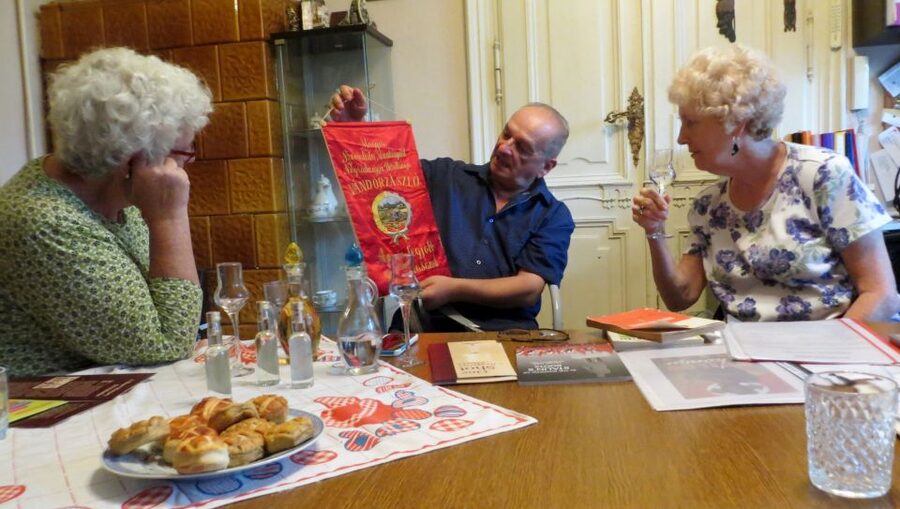
The experience is described with the House of Terror or Statue Park, giving the program two possible directions. The information provided does not specify exactly how the choice is made, whether both places are visited, or whether admission tickets are included. Confirm those details with the local partner before booking if they affect your decision.
The House of Terror is a natural fit for visitors who want a concentrated museum setting connected with the political repression of twentieth-century Hungary. Its name signals a serious subject, so you should be ready for emotionally heavy material if this becomes part of your route.
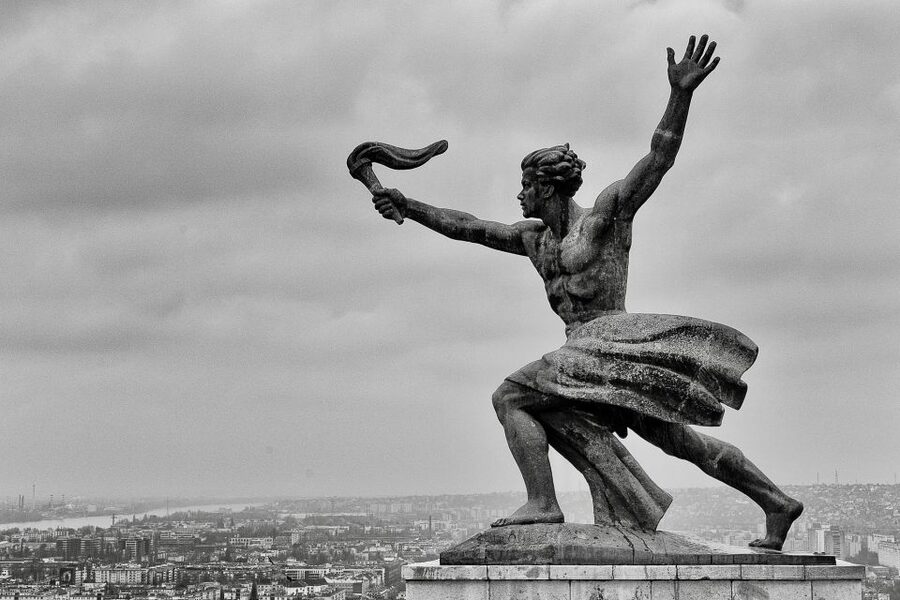
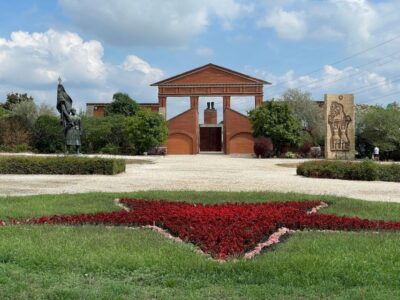
Statue Park offers a different way to approach the era. Its communist-era monuments and statues can help you think about public symbols, official messages, and what happened to those symbols after political change. It is less like a conventional central-city museum visit and more like an outing to a place where the old public imagery has been gathered and preserved.
I like having a possible choice because these two stops support different learning styles. The House of Terror may suit you if you want a museum-led presentation. Statue Park may suit you if you prefer seeing political art and monuments in a physical setting while talking with the guide.
Do not assume the title means you will automatically receive a full visit to both attractions. The wording allows for one or the other, and the detailed schedule is not supplied. Ask about the planned stop, admission cost, and time allocation before you finalize your booking.
More at Memento Park:
- Guided Tour with Admission in Memento Park
★ 5.0 · 48 reviews - Budapest: Memento Park Ticket
★ 4.5 · 46 reviews - Memento Park Visit with Private Trabant Transfer
★ 5.0 · 44 reviews - Memento Park Entrance Ticket
★ 4.5 · 38 reviews
Riding Budapest’s public transportation with your guide
Hotel pickup is included. Your guide meets you at your accommodation in Budapest, and you then make your way together to the first stop. The local partner asks you to provide the preferred pickup location.
Transportation itself is not listed as included, but one past participant described riding public transportation during the experience. That means the journey can become part of the tour rather than just a transfer between attractions. You may see neighborhoods and streets that do not appear on a standard central Budapest itinerary.
I see real value in this arrangement. Public transportation is one of the simplest ways to notice how a city functions, and the guide can explain what you are seeing as you move between locations. It also connects the subject of the tour with the practical city around you.
The tradeoff is time and physical effort. A shared ride or walking segment may take longer than a private vehicle, and the tour is not designed for people with mobility impairments. Wear comfortable shoes and clothing suited to the weather. You should also leave a little flexibility around the three-hour schedule in case the route includes walking or public transportation.
No transportation beyond the meeting arrangement is specifically promised. If you need a particular vehicle, have a mobility concern, or want to avoid public transit, contact the local partner before booking and explain your needs.
Why the private group format matters
The experience costs $282 per group of up to five people. That is not a low-cost activity for one person, but the calculation changes when you fill the group. Five people pay about $56.40 each, while two people pay $141 each.
For a small family or group of friends, the private format can make good sense. You are paying for a guide-led conversation that can adjust to your interests, rather than a large group moving through a fixed script. A private setting also makes it easier to discuss personal or sensitive questions about the communist period.
The value is strongest if you care about context and conversation. If you only want to see a monument or take a quick photo, this is probably more time and money than you need. If you want to understand how political change affected daily routines, the extra cost can be worthwhile.
The program includes the personal presentation and printed materials, notebooks, and pens. Food and drinks are not included. Admission to the House of Terror or Statue Park is not clearly stated in the information provided, so confirm that before you compare the price with other Budapest activities.
The booking terms are useful for planning. You can cancel up to 24 hours before the experience for a full refund, and you can reserve now and pay later. Starting times depend on availability, so check the schedule before building the rest of your day around it.
What the three hours feel like
Three hours is long enough to create a clear picture of the period without taking up a full day. The time appears to combine the opening presentation, discussion, movement through Budapest, and a historical stop or focus.
Do not expect a rapid checklist of famous sights. The route is built around explanation, and the guide may spend time answering questions or adjusting the subject to your group. That is a strength if you enjoy conversation, but it may feel slow if you prefer constant movement.
The program’s interactive nature also means you should arrive ready to participate. Bring questions, especially if your family has a connection to Hungary or if you have already studied twentieth-century European history. The printed notes can help organize what you hear, but the tour’s main tool is direct discussion.
One useful feature is that the program can adapt to the participants’ knowledge level. A first-time visitor can receive a broad explanation, while a history-focused group can spend more time on difficult issues and long-term effects. That flexibility has been praised repeatedly in the available feedback, along with the guide’s communication style and kindness.
Who will get the most from this experience
I would recommend this tour to people who want history explained through ordinary life. It suits couples, families, and small groups who prefer a private guide and are comfortable asking questions.
It is also a good choice if you have already visited Budapest’s major landmarks and want a different subject. The experience looks beyond the usual royal, religious, and artistic stories to explain a period that shaped modern Hungary.
You will get the most from it if you can walk comfortably, dress for the weather, and accept some flexibility in the route. The tour may involve public transportation and movement between locations, so it is not a good match for people with mobility impairments.
I would be more cautious about booking if you need a tightly timed itinerary, guaranteed access to both the House of Terror and Statue Park, or a fully vehicle-based tour. Those details are not guaranteed in the supplied information and should be checked in advance.
Is the $282 price fair?
For one person, $282 is expensive for a three-hour activity. For five people, it becomes a more reasonable private-guide cost, especially if you value hotel pickup, a route shaped around your questions, and a guide who can explain the subject in your preferred language.
The price is not mainly buying admission or refreshments. It is buying time with a guide and a personal framework for understanding Budapest’s communist past. That makes the value depend heavily on your interest in the topic and the final route.
I would book it for a small group that wants a serious, flexible history lesson. I would skip it if you are looking for a cheap overview or a conventional sightseeing walk.
Should you book Life Under Communism?
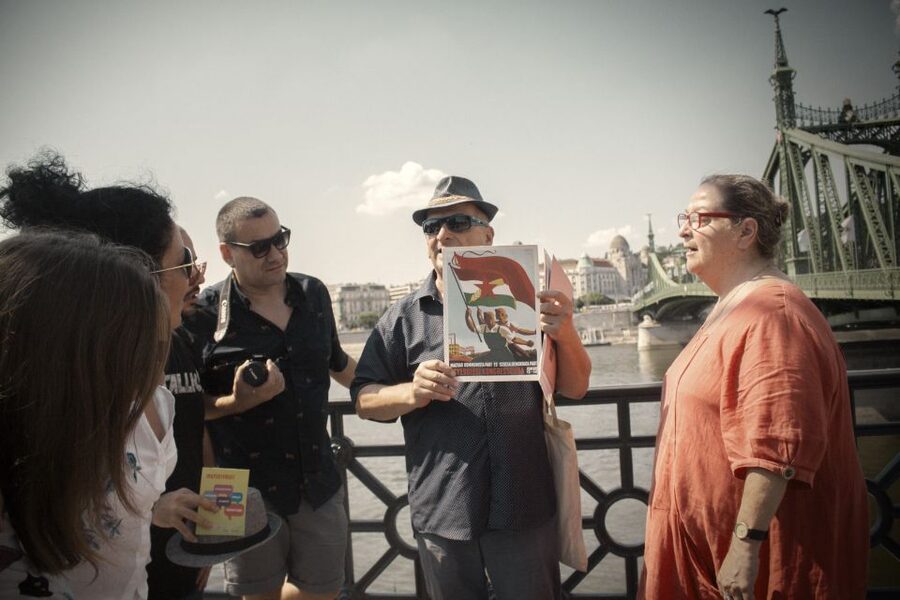
Book this experience if you want Budapest explained through memories, daily routines, public spaces, and the political changes that still affect the city. The combination of Bambi Eszpresszó, a private guide, possible public transportation, and a choice of historical focus gives the tour a human scale.
Before paying, confirm whether your route includes the House of Terror or Statue Park, whether entrance fees are extra, and how much walking is expected. If those details suit you, this is a strong choice for a small group that values honest conversation over a hurried list of sights.
FAQ
How long does the Life Under Communism tour last?
The experience lasts three hours.
How much does the tour cost?
The price is $282 for a private group of up to five people.
Is this a private tour?
Yes. The activity is arranged for a private group.
Where does the tour begin?
The program starts at Bambi Eszpresszó, a symbolic meeting place associated with Budapest in the 1980s. Your guide meets you at your Budapest accommodation first and travels with you to the initial stop.
Are hotel pickups included?
Yes. Pickup from your accommodation in Budapest is included. You need to tell the local partner where you would like to be picked up.
Which languages are available?
The live tour guide service is available in English, German, and French.
Are food and drinks included?
No. Food and drinks are not included in the tour price.
Are transportation costs included?
Transportation is listed as not included. The experience may include riding public transportation with your guide, so ask the local partner about the planned route and any related costs.
Is the House of Terror or Statue Park included?
The experience is described with the House of Terror or Statue Park, but the supplied information does not clarify whether both places are visited or whether admission is included. Confirm the exact plan before booking.
Is the tour suitable for people with mobility impairments?
No. The experience is listed as unsuitable for people with mobility impairments. Comfortable shoes and weather-appropriate clothing are recommended.
Recently added around Budapest
- Hiking + Chairlift ride + viewpoints in Budapest★ 5.0 · 3 reviews
- FoolsCode: EscapeRoom/Sightseeing tour with Actor Tourguide★ 5.0 · 3 reviews
- Grand Budapest tour with private transportation★ 5.0 · 3 reviews
- Budapest: Private Customizable Tour in French★ 5.0 · 3 reviews
- Budapest: Private, Personalized Pub Crawl, 3 drinks included★ 4.5 · 3 reviews
- Budapest Drinks and Piano Show Cruise★ 4.5 · 3 reviews
- Discover Budapest Using Tram Two★ 5.0 · 3 reviews
- Budapest: Private 3-Hour Gödöllő Palace Tour★ 4.9 · 3 reviews
Communist-Era History Tours, compared.
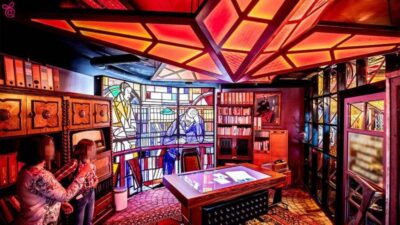
Communist History Tour with House of Terror Option
Read our review →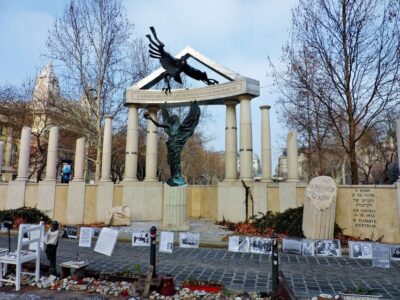
3-Hour Walking Tour About Communism (Small Group)
Read our review →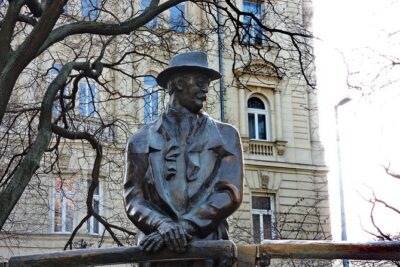

Lives of Hungarians Under Communist and Capitalist system
Read our review →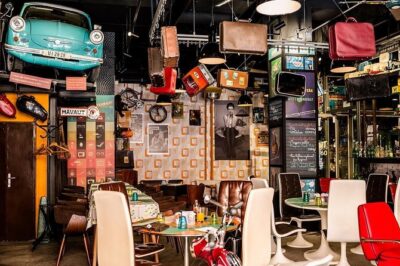
Private Budapest Hammer & Sickle Communist Times Tour
Read our review →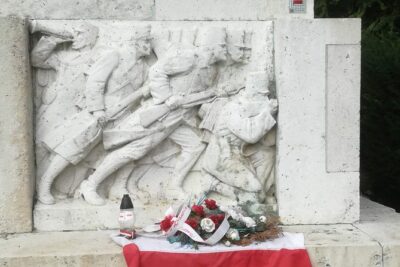
Browse the lists this tour appears in